
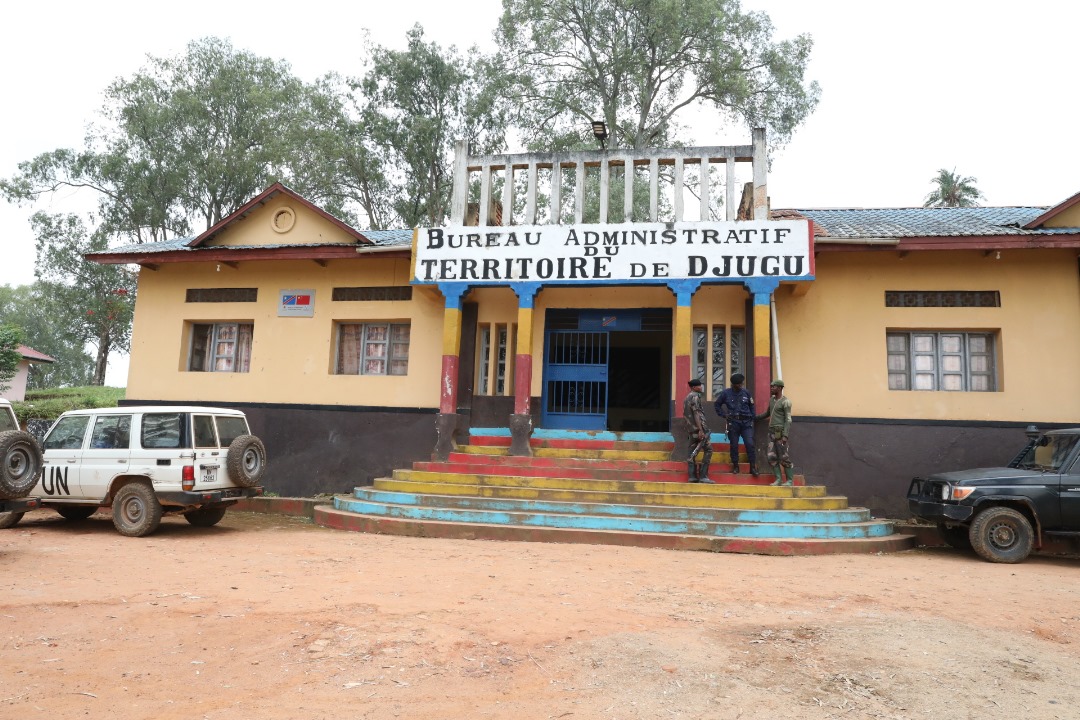
Djugu Civil Society: Issues Djugu Police Absence Alert on Widespread Officer Absence
Summary
- Djugu civil society issued an alert on September 11, denouncing the absence of police officers in several local communities.
- The denunciation also highlighted insufficient personnel and logistical resources for police officers deployed in other areas.
- This alert was made shortly after International Police Cooperation Day, which was celebrated on September 7.
- The concerns underscore significant security challenges and resource scarcity within the Djugu territory's law enforcement.
Djugu Civil Society Raises Alarm
The persistent lack of law enforcement presence in numerous villages, coupled with inadequate resources for deployed officers, creates a volatile environment that demands immediate attention from stakeholders assessing regional stability.
Civil society organizations in Djugu have issued a significant alert regarding the critical state of law enforcement presence across the territory. On September 11, these groups publicly denounced a widespread absence of police officers in numerous local communities. This **Djugu police absence alert** highlights a fundamental gap in security provision for residents in these areas, leaving them potentially vulnerable to various threats.
Beyond the complete lack of police in many villages, the denunciation also pointed to severe resource deficiencies for officers who are actually deployed. According to the civil society's statement, even in localities where law enforcement agents are present, they often operate with insufficient personnel and inadequate logistical support. This dual challenge of non-existent and under-resourced policing paints a concerning picture of the **DRC Djugu security situation**.
Contextualizing the Security Deficit
The timing of this urgent communication from Djugu's civil society is notable. Their denunciation on September 11 occurred shortly after the global observance of International Police Cooperation Day, which was celebrated just four days prior, on September 7. This juxtaposition underscores a stark contrast between the ideals of international police collaboration and the on-the-ground realities faced by communities in the Democratic Republic of Congo.
The concerns raised by local civil society groups are not isolated incidents but rather indicative of broader **Ituri police deployment issues** and systemic challenges within **Democratic Republic Congo law enforcement**. The persistent **Congo police resource scarcity** affects not only the number of officers available but also their capacity to effectively respond to security incidents, maintain order, and protect citizens. This situation exacerbates the already complex security landscape in the region, which has been plagued by instability.
Heightened Risks and Urgent Considerations
The persistent lack of law enforcement presence in numerous villages, coupled with inadequate resources for deployed officers, creates a volatile environment that demands immediate attention from stakeholders assessing regional stability. This **Djugu civil society security concerns** report signals heightened security risks for any entities operating within the territory, necessitating a thorough re-evaluation of existing risk assessments.
For businesses and organizations with operations or investments in Djugu, the reported police vacuum directly impacts staff safety and asset protection. The potential for increased civil unrest or criminal activity in areas without adequate policing is a critical factor that legal and compliance officers must integrate into their strategic planning. It is imperative for these stakeholders to review and bolster security protocols and emergency response plans for personnel and assets situated in these vulnerable areas, ensuring robust measures are in place to mitigate the elevated risks.
Practical Implications
This report signals heightened security risks in Djugu, DRC, due to inadequate police presence, which lawyers should factor into risk assessments for clients with operations or investments in the region, particularly concerning staff safety, asset protection, and potential for civil unrest. Compliance officers should review security protocols and emergency response plans for personnel and assets in affected areas.
Source
How does this affect you?
Get an AI analysis of this article grounded in your jurisdictions, practice areas, and any policy documents you've uploaded to Wansom.
Finish Reading the Full Story and the Expert Analysis.
Wansom is AI and can make mistakes.