
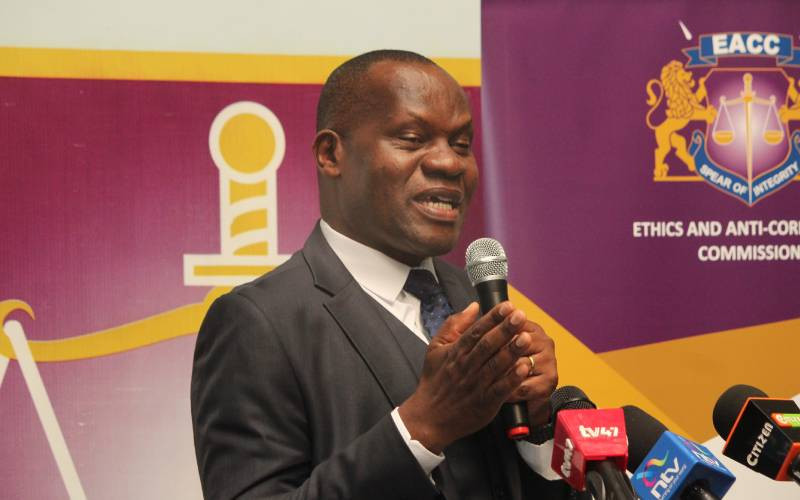
DIG Masengeli: USIU PhD Injunction Halts Graduation Ceremony
Summary
- Deputy Inspector General of Police Gilbert Masengeli has initiated a court case against United States International University (USIU).
- Masengeli, a student at USIU, is seeking a doctoral degree.
- He claims he was defending his dissertation after completing coursework and obtaining necessary board approvals.
- The legal action aims to secure a court order to stop USIU's graduation ceremony.
Overview of the Academic Dispute
This case provides a relevant precedent for lawyers advising educational institutions on administrative decisions concerning student qualifications, particularly doctoral degrees, and for those representing students challenging such decisions through judicial review in Kenya.
A significant legal confrontation has emerged between Deputy Inspector General of Police Gilbert Masengeli and the United States International University (USIU). Masengeli, who is enrolled as a student at the prominent international higher learning institution, has initiated court proceedings to address a dispute concerning his doctoral degree. His legal action specifically aims to secure a court order that would prevent the university from conducting its scheduled graduation ceremony. This development marks a notable instance of a high-ranking public official challenging an academic institution's decision through the judicial system.
The core of the "court battle" revolves around Masengeli's eligibility for a doctoral qualification, despite his assertions of having fulfilled key academic requirements. The intervention of the judiciary in such an academic matter underscores the gravity of the disagreement and the potential implications for both the individual student and the university's administrative processes. The case highlights the avenues available for students to contest institutional decisions when they believe their academic progress has been unfairly assessed or their rights infringed upon.
Grounds for Masengeli's Legal Challenge
At the heart of Deputy Inspector General Masengeli's petition are specific claims regarding his academic journey towards a doctoral degree. He asserts that he was actively engaged in the process of defending his dissertation, a critical and often final stage required for the conferment of a doctorate. This claim suggests that he had reached a point in his studies where the final evaluation of his research was underway or imminent.
Furthermore, Masengeli contends that he had successfully completed all the necessary coursework mandated by his doctoral program. This completion signifies that he had met the structured academic requirements, accumulating the requisite credits and passing examinations. Adding to his argument, he states that he had also obtained all required approvals from the relevant academic board, indicating that his academic progression had been formally sanctioned by the university's internal oversight bodies up to the point of the dispute. These combined assertions form the basis of his belief that he should be awarded the doctoral degree, leading to his decision to seek judicial intervention.
Seeking Judicial Intervention to Halt Graduation
The immediate and most impactful relief sought by Deputy Inspector General Masengeli is a court order to halt the United States International University's upcoming graduation ceremony. Such an injunction, if granted, would have far-reaching consequences, potentially delaying the academic progression and celebrations for numerous other students. The request to stop a university-wide event underscores the seriousness with which Masengeli views the alleged denial of his doctoral degree.
This case provides a relevant precedent for lawyers advising educational institutions on administrative decisions concerning student qualifications, particularly doctoral degrees, and for those representing students challenging such decisions through judicial review in Kenya. The judicial review process allows courts to examine the legality of decisions made by public bodies, including universities, ensuring that they act within their powers and follow fair procedures. The outcome of this "court battle" will therefore be closely watched by legal professionals and academic institutions alike, as it could clarify the boundaries of institutional autonomy versus individual student rights in higher education.
Practical Implications
This case provides a relevant precedent for lawyers advising educational institutions on administrative decisions concerning student qualifications, particularly doctoral degrees, and for those representing students challenging such decisions through judicial review in Kenya.
Source
How does this affect you?
Get an AI analysis of this article grounded in your jurisdictions, practice areas, and any policy documents you've uploaded to Wansom.
Finish Reading the Full Story and the Expert Analysis.
Get the latest legal & regulatory intelligence in Kenya
Wansom is AI and can make mistakes.