
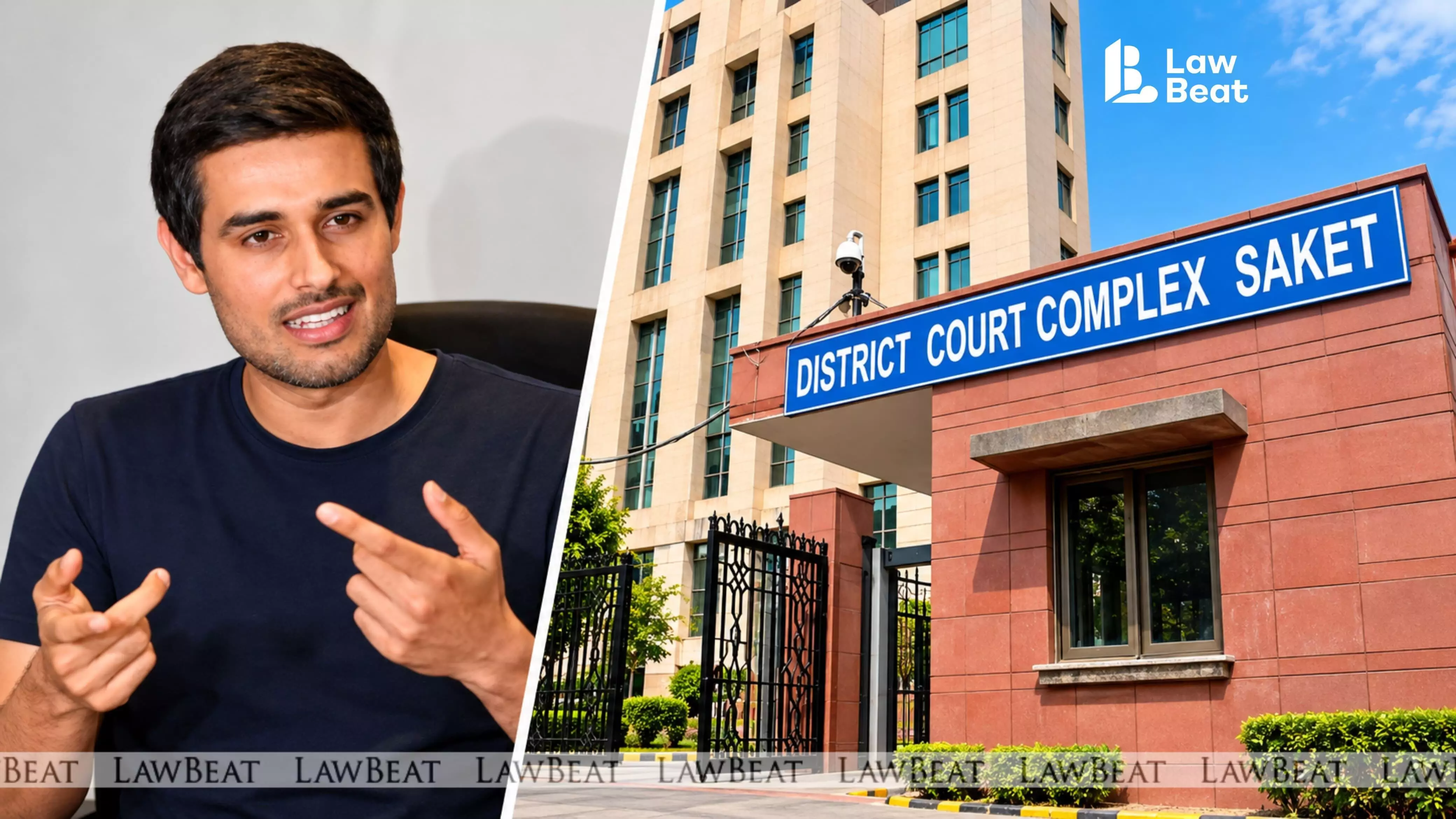
Dhruv Rathee: Delhi Court Issues Fresh Bailable Warrants in Defamation Case
Summary
- A Delhi court has issued fresh bailable warrants against YouTuber Dhruv Rathee in a 2018 criminal defamation case.
- The case was filed by Vikas Sankrityayan over Rathee's "BJP IT Cell Part 2" video, uploaded in May 2018.
- The court noted that the complainant has faced years of difficulty serving Rathee, who reportedly resides in Austria.
- New summons were issued on October 12, 2026, for Rathee to appear on October 17, 2026, at a Gurugram address.
- Former Delhi CM Arvind Kejriwal had also apologized before the Supreme Court in the same case after retweeting the video.
Background of the Defamation Case
This ongoing situation highlights the enduring nature of digital content liability and the importance for individuals to address legal proceedings promptly, regardless of their location, to avoid further judicial actions such as the issuance of bailable warrants.
A Delhi court has recently issued new bailable warrants against prominent YouTuber Dhruv Rathee in connection with a 2018 criminal defamation case. The proceedings stem from a YouTube video titled "BJP IT Cell Part 2," which Rathee uploaded in May 2018. The complaint was lodged by Vikas Sankrityayan, also known as Vikas Pandey, who alleges that the video contained defamatory content targeting him. This case highlights the long-term legal exposure for individuals creating online content, particularly regarding defamation claims, as digital material can lead to protracted legal battles.
The defamation complaint, registered as Ct. Cases 5786/2018, has seen significant developments over the years. Notably, former Delhi Chief Minister Arvind Kejriwal had initially retweeted the contentious video. He subsequently tendered an apology before the Supreme Court concerning his involvement. Despite Kejriwal's apology, the legal proceedings against Dhruv Rathee, as the original creator of the "BJP IT Cell Part 2" video, have continued to advance before the trial court, underscoring the independent liability of content creators.
Persistent Challenges in Serving Legal Notices
The issuance of these fresh bailable warrants by Judicial Magistrate First Class Rahul Jain of the Saket Courts follows a history of difficulties in serving legal notices to Rathee. Court records indicate that the complainant has been attempting to serve the accused since the initial summons was issued on July 23, 2019. This protracted effort underscores the procedural challenges courts face in serving legal notices, especially when accused parties, like Rathee, are reported to reside abroad.
On October 12, 2026, the JMFC issued an order directing new summons to be sent to Rathee at an address in Sector 56, Gurugram, Haryana. The court also permitted "dasti summons," allowing the complainant to personally accompany the process server to ensure delivery. Advocate Samaksh Sharma, representing the complainant, informed the court that Rathee ordinarily resides in Austria but was believed to be in India at the time for a "CJP Protest." Sharma emphasized that service had been delayed for several years due to Rathee's residency outside the country, prompting the request for prompt service at the Gurugram address. The court explicitly noted from the available record that the complainant had been trying to serve the accused for several years.
The Court's Directive and Ongoing Proceedings
The latest bailable warrants were issued after an earlier set of bailable warrants on October 17. The summons issued on October 12, 2026, specifically instructed Dhruv Rathee to appear before the Saket Court on October 17, 2026, either in person or through legal counsel, with a clear directive against any default in compliance. This judicial action reflects the court's determination to ensure the progression of the 2018 defamation case.
Despite the issuance of fresh summons on October 12, 2026, and subsequent bailable warrants on October 17, 2026, the court was informed that service could not be completed as Rathee's residence was found locked, leading to the issuance of new bailable warrants on October 31, 2026. This ongoing situation highlights the enduring nature of digital content liability and the importance for individuals to address legal proceedings promptly, regardless of their location, to avoid further judicial actions such as the issuance of bailable warrants. The case continues to be a significant example of criminal defamation proceedings in India concerning online content.
Practical Implications
This case highlights the long-term legal exposure for individuals creating online content, particularly regarding defamation claims, and the procedural challenges courts face in serving legal notices when accused parties reside abroad. Lawyers should advise clients on the enduring nature of digital content liability and the importance of addressing legal proceedings promptly, regardless of location, to avoid further judicial action like bailable warrants.
Source
How does this affect you?
Get an AI analysis of this article grounded in your jurisdictions, practice areas, and any policy documents you've uploaded to Wansom.
Finish Reading the Full Story and the Expert Analysis.
Wansom is AI and can make mistakes.