
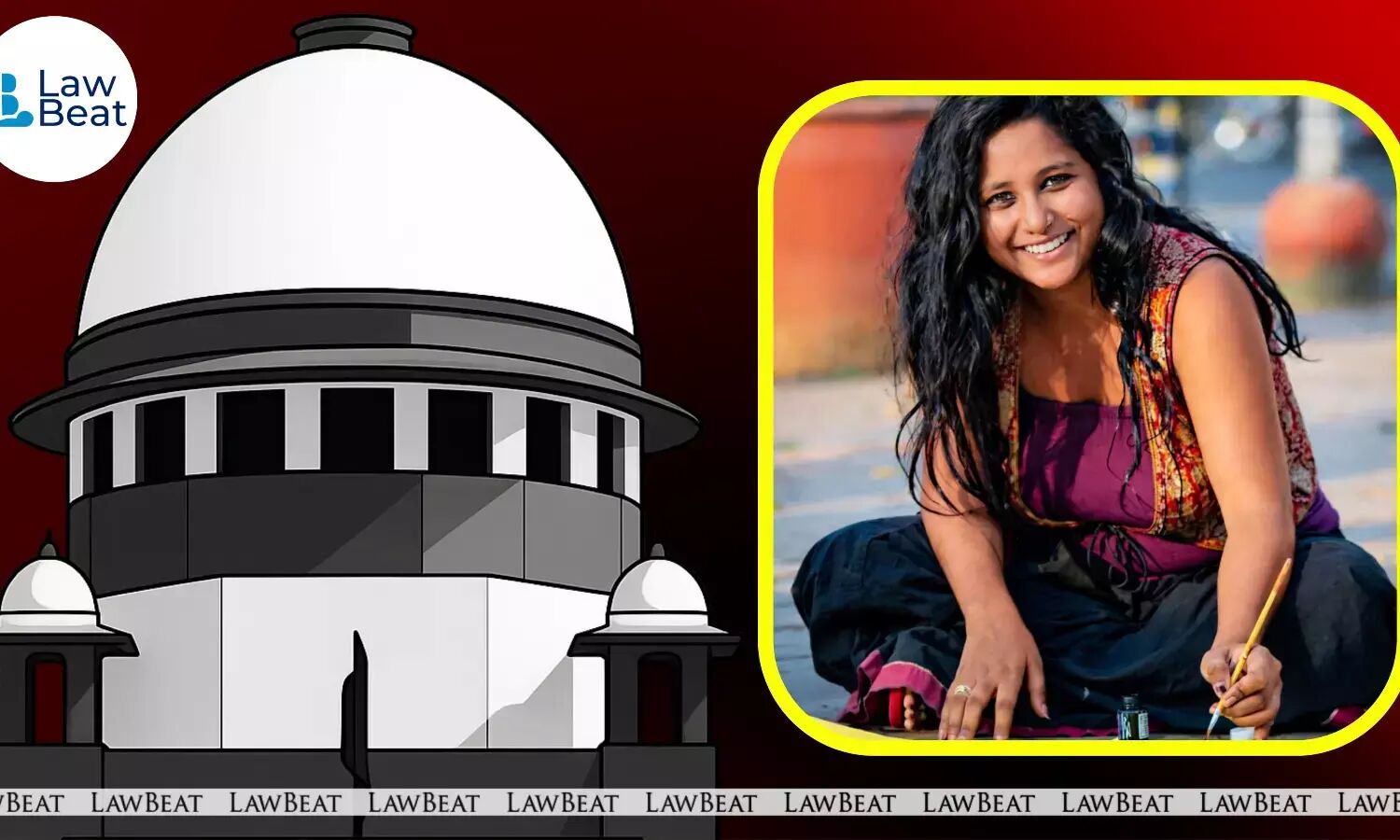
Supreme Court: Devangana Kalita Unrelied Documents Delhi Riots SC Order Reserved
Summary
- The Supreme Court has reserved its order on the Delhi Police's challenge to Devangana Kalita's right to inspect unrelied documents in the 2020 Delhi riots conspiracy case.
- Justices Aravind Kumar and Vipul M. Pancholi heard arguments on September 1, 2026, from both the Delhi Police, who opposed the inspection, and Kalita's counsel, who sought a list of these documents.
- The core legal issue revolves around an accused's right to access documents not relied upon by the prosecution, which were stored in the malkhana.
- The Court directed both parties to submit two-page written arguments within three days for consideration.
- This case is part of Devangana Kalita's ongoing legal challenges, which include previous Supreme Court stays on electronic evidence disclosure and earlier bail proceedings under UAPA.
Supreme Court Deliberates on Document Access
The Supreme Court's impending decision holds substantial implications for the scope of disclosure obligations in criminal trials, particularly in complex cases like the Delhi Riots Conspiracy Case documents.
The Supreme Court has reserved its order on a significant legal challenge brought by the Delhi Police against a Delhi High Court directive. This directive had granted Devangana Kalita, an accused in the 2020 Delhi riots conspiracy case, permission to inspect documents that the prosecution did not rely upon.
During the hearing on September 1, 2026, a bench comprising Justices Aravind Kumar and Vipul M. Pancholi heard arguments from both sides. Additional Solicitor General SV Raju, representing the Delhi Police, vociferously opposed Kalita's request. He contended that the inspection was merely a tactic to delay the trial and asserted that an accused should not be entitled to demand the production of such documents.
Conversely, Senior Advocate Kapil Sibal, appearing for Devangana Kalita, argued that once an investigation concludes and a chargesheet is filed, the prosecution inherently categorizes documents into those it relies upon and those it does not. Sibal clarified that Kalita's immediate request was not for inspection itself, but initially for a list of these unrelied documents, which he stated had not yet been provided.
Following the comprehensive arguments, the Supreme Court reserved its decision. Justice Aravind Kumar directed both parties to submit concise written arguments, limited to two pages each, within three days, assuring them that these submissions would be thoroughly considered before a final ruling is made.
The Legal Battle Over Unrelied Evidence
At the heart of this legal dispute, formally titled State of NCT of Delhi v. Devangana Kalita, is the Delhi High Court's order allowing Kalita to examine documents stored in the malkhana that were not deemed essential by the prosecution. This case brings into sharp focus the critical question of an accused's right to inspect documents that the prosecution chooses not to present as evidence.
The Supreme Court's impending decision holds substantial implications for the scope of disclosure obligations in criminal trials, particularly in complex cases like the Delhi Riots Conspiracy Case documents. It will clarify the extent to which an accused can access materials not explicitly used by the prosecution, potentially setting a crucial precedent for defense strategy and the fairness of legal proceedings.
The defense maintains that access to such unrelied documents is vital for a robust defense, enabling a comprehensive understanding of the evidence gathered during the investigation. This perspective underscores the importance of an accused's right to inspect documents to ensure due process and prevent any potential prejudice arising from undisclosed information.
Devangana Kalita's Ongoing Legal Challenges
This current Supreme Court deliberation is part of a broader series of legal battles involving Devangana Kalita in connection with the 2020 Delhi riots. Prior to this hearing, on July 20, the Supreme Court had already issued a stay on a separate Delhi High Court order. That earlier order had directed the Delhi Police to furnish Kalita with copies of electronic evidence she sought before the framing of charges in the larger conspiracy case.
Further back, in November 2023, the High Court had taken cognizance of Kalita's plea by issuing a notice to the Delhi Police, with Justice Amit Bansal specifically instructing them to file a reply. Kalita had also previously filed two distinct petitions challenging trial court decisions that denied her access to crucial evidence, including video footage and transcripts of WhatsApp chats. These petitions are linked to both the alleged larger conspiracy behind the Delhi riots and a separate case concerning the murder of an individual near the Jafrabad flyover.
In a related development in May 2023, the Supreme Court dismissed a Special Leave Petition filed by the Delhi Police. This petition had sought to overturn a Delhi High Court order that granted bail to Devangana Kalita, alongside co-accused Asif Iqbal Tanha and Natasha Narwal, under the stringent Unlawful Activities (Prevention) Act (UAPA) in the Delhi Riots case. The Delhi High Court had originally granted bail to these three individuals in June 2021.
Practical Implications
This Supreme Court order will clarify the scope of an accused's right to inspect documents not relied upon by the prosecution, setting a crucial precedent for defence strategy and disclosure obligations in complex criminal trials, particularly those involving extensive evidence like conspiracy cases.
Source
Source: Original reporting via Live Law
How does this affect you?
Get an AI analysis of this article grounded in your jurisdictions, practice areas, and any policy documents you've uploaded to Wansom.
Finish Reading the Full Story and the Expert Analysis.
Wansom is AI and can make mistakes.