
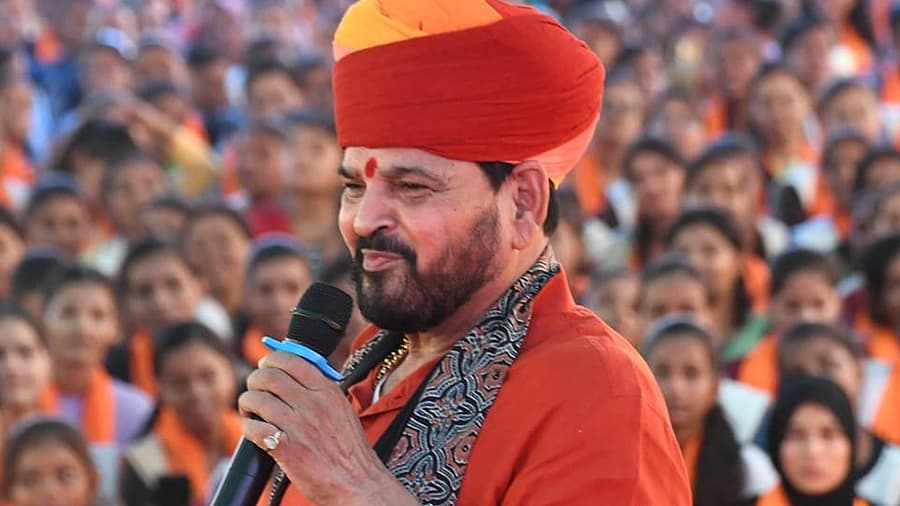
Delhi Police to Decide on Challenging Brij Bhushan's Acquittal in 15 Days
The Delhi Police informed a sessions court in India on Friday that its decision on whether to appeal the acquittal of former BJP MP Brij Bhushan in a sexual harassment case is "under process," seeking 15 days to finalize its stance.
This development highlights the ongoing legal scrutiny and potential for further appeals in high-profile criminal cases, particularly those involving public figures and sensitive allegations like sexual harassment. It underscores the multi-layered nature of the Indian judicial system, where trial court decisions can be challenged by both victims and the State, and the importance of due process in criminal justice. The decision to hold future hearings in-camera also has significant implications for transparency, privacy, and the public's access to judicial proceedings, balancing competing interests in sensitive matters.
The case involves allegations under Sections 354 (outraging modesty), 354A (sexually coloured remarks), 354D (stalking), and 506(1) (criminal intimidation) of the Indian Penal Code (IPC). The Delhi Police's decision to appeal would be made under the provisions of the Code of Criminal Procedure, 1973 (CrPC), which allows the State to file an appeal against an acquittal. The women wrestlers have already filed their appeal, indicating their dissatisfaction with the trial court's verdict of May 10, 2024. The decision for in-camera hearings is often made in sensitive cases, particularly those involving sexual offenses, to protect the privacy of victims and ensure a fair trial environment, as permitted under the CrPC. The key parties include the Delhi Police (prosecution), Brij Bhushan (accused), the women wrestlers (complainants), and Special Judge Dig Vinay Singh.
Criminal law practitioners must be acutely aware of the appellate procedures available under the CrPC for both the State and victims in cases of acquittal. The decision to appeal involves careful consideration of the evidence presented at trial, the trial court's reasoning, and the likelihood of success in a higher court. The move to in-camera hearings emphasizes the court's discretion in managing sensitive cases to balance public interest with privacy concerns, a critical aspect for attorneys to consider in their strategy. Attorneys representing either the State or accused individuals in such matters must be prepared for protracted legal battles across different judicial tiers and understand the strategic implications of each stage, from chargesheet to potential appeals. The outcome of the Delhi Police's decision to appeal this matter is not yet reported.
How does this affect you?
Get an AI analysis of this article grounded in your jurisdictions, practice areas, and any policy documents you've uploaded to Wansom.
Finish Reading the Full Story and the Expert Analysis.
Get the latest legal & regulatory intelligence in India
Wansom is AI and can make mistakes.