
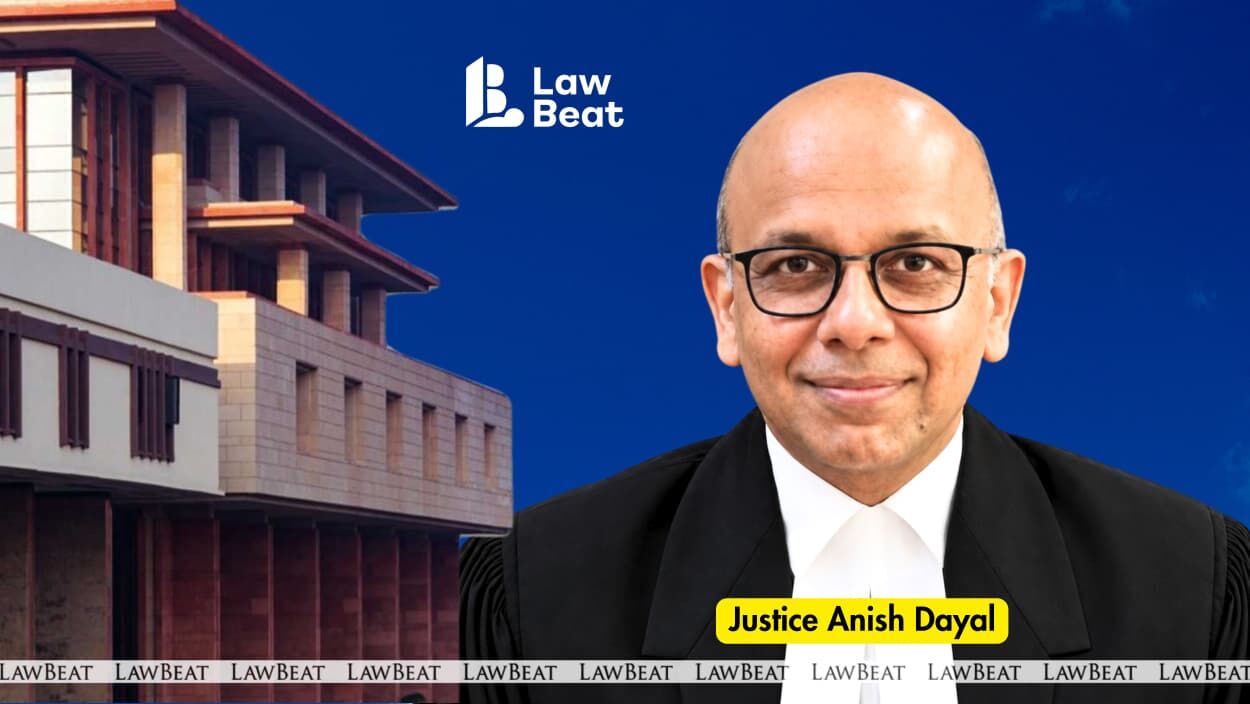
Delhi High Court: Race Course Mosque Demolition Halted Until Next Hearing
Summary
- The Delhi High Court received an assurance that no immediate demolition would occur at the Race Course mosque.
- A worshipper sought protection for the mosque, citing its gazette-notified Waqf and Grade-II heritage status.
- Justice Anish Dayal questioned the legal basis for any proposed demolition and whether it had prior judicial sanction.
- The Union government's counsel requested time to obtain formal instructions regarding the demolition apprehension.
- The court directed the Land and Development Office and the Delhi Waqf Board to provide formal responses.
Court Intervenes in Race Course Mosque Demolition Apprehension
The judge emphasized the need to understand the "genesis" of any governmental action to demolish the structure, stating that if an area is being cleared under court orders, anything within it must be removed unless it possesses specific legal protection.
The Delhi High Court has intervened in a matter concerning the potential demolition of a mosque located within the Jaipur Polo Ground in the Race Course area, near the Prime Minister's residence. During a hearing on a Tuesday, the Union government provided an oral assurance to Justice Anish Dayal that no immediate action would be taken against the structure until the subsequent hearing scheduled for October 29. This assurance came as the Union's counsel sought additional time to gather formal instructions regarding a petition filed by a worshipper.
The petitioner, represented by Advocate Sufyan Siddiqui, approached the court seeking protection against the demolition of the mosque, along with the restoration of unimpeded access for worshippers and the enforcement of the Delhi Waqf Board's statutory duties. The plea highlighted an alleged incident where an officer orally instructed the mosque's imam to vacate the premises within three to four days, indicating an impending demolition. However, the petitioner's counsel clarified that no official demolition notice had been issued to date.
In response to the allegations, the Union's counsel, Ashish Dixit, informed the court that the electricity and water connections to the mosque had been disconnected. This action, he stated, was taken to mitigate safety risks for individuals accessing the structure, particularly while demolition work was actively proceeding in the surrounding vicinity. The court formally noted that the Union would provide comprehensive instructions on the matter before the next scheduled proceeding.
Legal Protections and Due Process Questions
A central aspect of the petitioner's argument for protection against the Race Course Masjid demolition Delhi hinges on the mosque's established legal status. Advocate Siddiqui asserted that the mosque is a gazette-notified Waqf property, a designation it has held since 1977. Furthermore, it possesses Grade-II heritage status, recognized under a notification issued in 2009. These classifications, the petitioner contended, mandate specific statutory procedures for any proposed alterations or demolition, particularly emphasizing the protection afforded to properties with Waqf property demolition protection and heritage recognition.
Justice Anish Dayal, presiding over the Delhi High Court proceedings, rigorously questioned the legal foundation of the claimed protections for the mosque. He specifically inquired whether the proposed demolition had the sanction of any prior judicial order, especially considering previous court-mandated clearance operations in the broader area. The judge emphasized the need to understand the "genesis" of any governmental action to demolish the structure, stating that if an area is being cleared under court orders, anything within it must be removed unless it possesses specific legal protection. The petitioner's counsel countered that the mosque itself had never been the subject of those earlier proceedings. He further stressed that its Grade-II heritage status requires authorities to obtain permission from the Heritage Conservation Committee before undertaking any significant changes, let alone demolition, citing the Unified Building Bye-Laws for Delhi and the 2009 notification.
Directives for Clarity and Formal Responses
Throughout the hearing, Justice Dayal made it clear that the Delhi High Court assumed no action would be taken against the mosque in the immediate days following the session, even though the Union's counsel did not have explicit instructions to make a formal statement to that effect. The court's primary objective was to ensure due process and a clear understanding of the legal authority behind any potential demolition. To this end, the court formally requested responses from two key governmental bodies.
The Land and Development Office, operating under the Ministry of Housing and Urban Affairs, was directed to provide a formal response outlining its position and any relevant documentation pertaining to the land. Concurrently, the Delhi Waqf Board was also asked to submit its formal stance, given the mosque's notification as a Waqf property. These directives underscore the court's intent to thoroughly examine all facets of the case, including the specific legal protections claimed for the mosque and the procedural requirements for any governmental action, before making a final determination on the Race Course Mosque demolition.
Practical Implications
Lawyers and compliance officers should note the Delhi High Court's emphasis on due process and legal authority for demolition, particularly for properties with heritage or Waqf status. This case underscores the need to verify the legal basis of any proposed government action and to ensure all statutory procedures, like those for heritage buildings, are strictly followed before advising clients on potential challenges or compliance.
Source
How does this affect you?
Get an AI analysis of this article grounded in your jurisdictions, practice areas, and any policy documents you've uploaded to Wansom.
Finish Reading the Full Story and the Expert Analysis.
Wansom is AI and can make mistakes.