
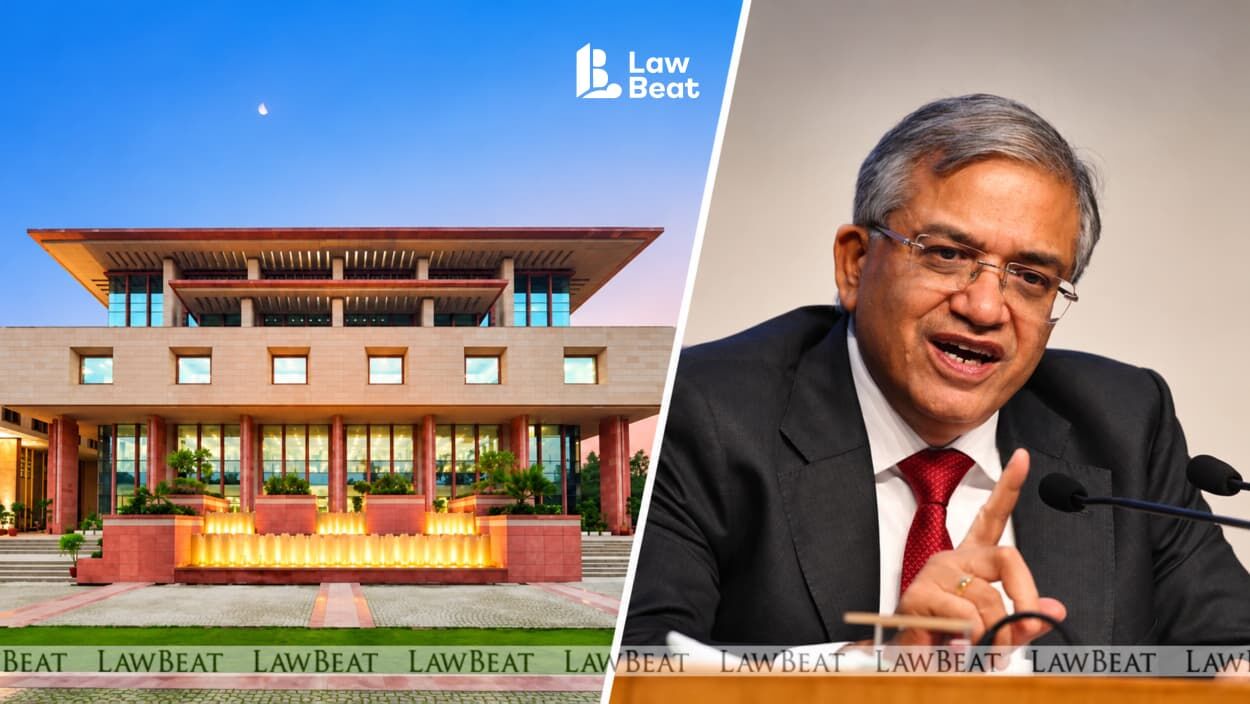
Delhi High Court: To Hear IYC Plea Against Protest Permission Denial Tomorrow
On Monday, the Delhi High Court deferred to Tuesday the hearing of a petition filed by the Indian Youth Congress (IYC) challenging the Delhi Police’s decision to deny permission for a proposed protest at Jantar Mantar against Chief Election Commissioner (CEC) Gyanesh Kumar over alleged irregularities in the Special Intensive Revision (SIR) of electoral rolls.
This matter underscores the critical importance of the right to peaceful assembly and protest, a fundamental right under Article 19(1)(b) of the Indian Constitution, and the limitations that can be imposed on it by authorities, typically citing law and order concerns. The Delhi High Court's involvement signifies judicial oversight over executive decisions that restrict these rights. For practitioners, it highlights the procedural aspects of challenging such denials and the court's role in balancing public order with constitutional freedoms. The outcome, once reported, will provide crucial clarity on the permissible grounds for denying protest permissions and the extent of judicial intervention in such matters.
The case directly implicates Article 19(1)(a) (freedom of speech and expression) and Article 19(1)(b) (freedom to assemble peacefully and without arms) of the Indian Constitution. These rights are not absolute and can be subject to reasonable restrictions in the interest of public order, as per Article 19(2) and 19(3). The Delhi Police's denial of permission, citing "law-and-order concerns," is a common ground for such restrictions. The Delhi High Court, exercising its writ jurisdiction under Article 226, will assess the reasonableness and proportionality of the police's decision. The proposed protest targets the Chief Election Commissioner, a constitutional authority, raising questions about the scope of public criticism against such officeholders. The outcome of this matter is not yet reported, as the court has only scheduled the hearing.
Key parties involved include the Indian Youth Congress (IYC) as the petitioner, the Delhi Police as the respondent, and Chief Election Commissioner (CEC) Gyanesh Kumar as the target of the proposed protest. The matter is before Justice Amit Mahajan of the Delhi High Court. Senior Advocate Siddharth Luthra and Senior Advocate Vivek Tankha are representing the IYC, while Additional Solicitor General Chetan Sharma is appearing for the respondents. The protest concerns alleged irregularities in the Special Intensive Revision (SIR) of electoral rolls.
Attorneys advising political organizations, activist groups, or individuals planning public demonstrations must be acutely aware of the legal framework governing protests, including the requirement for permissions and the grounds for their denial. This case serves as a reminder that denials based on
How does this affect you?
Get an AI analysis of this article grounded in your jurisdictions, practice areas, and any policy documents you've uploaded to Wansom.
Finish Reading the Full Story and the Expert Analysis.
Get the latest legal & regulatory intelligence in India
Wansom is AI and can make mistakes.