
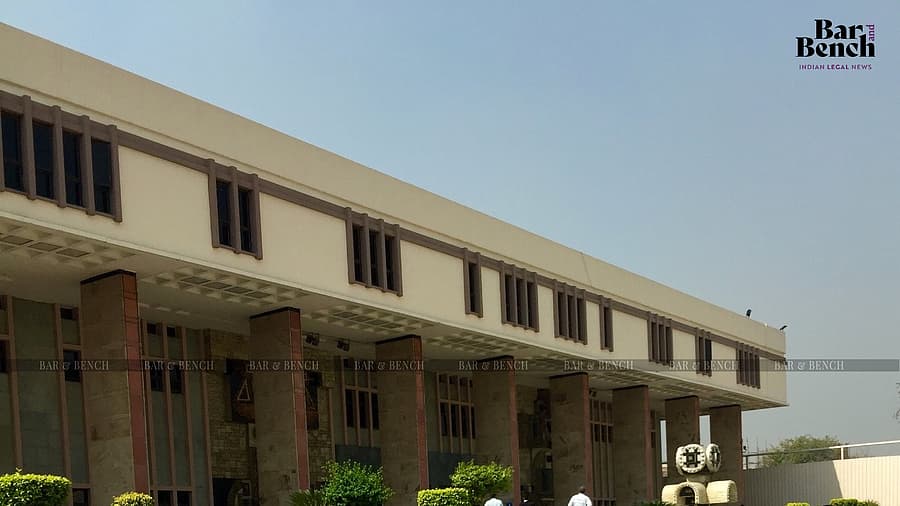
Delhi High Court: No Review of Parliament Security via PIL
Summary
- The Delhi High Court rejected a PIL petition seeking a comprehensive review of parliament security.
- The Court cited lack of extraordinary circumstances warranting judicial intervention and warned against the misuse of PIL petitions for publicity.
- Advocate Raj Singh's plea was criticized for being confined to parliament alone, with the Court pointing out other pressing security issues that did not draw similar attention.
What Happened
What kind of a petition is this? You think parliament is incapable of taking care of its own security?
The Delhi High Court recently rejected a public interest litigation (PIL) petition seeking a comprehensive review of parliament security. The petition was filed by advocate Raj Singh, who argued that the security of parliament is paramount in a democracy. However, the Division Bench of Chief Justice Devendra Kumar Upadhyaya and Justice Tejas Karia declined to entertain the plea, citing lack of extraordinary circumstances warranting judicial intervention.
Relevant Legal/Regulatory Context
The Court's decision highlights the importance of caution when filing PIL petitions. While PILs are meant to promote public interest and accountability, they can be misused for publicity or personal agendas. The Delhi High Court has previously expressed concerns about the misuse of PIL petitions, and this recent ruling underscores the need for lawyers to carefully consider their motivations before filing such petitions. In this case, the Court questioned why Singh's concern was confined to parliament alone, pointing out that other security issues, such as stampedes at railway stations or safety of pedestrians, did not similarly draw attention.
Why It Matters
The rejection of this PIL petition has significant implications for the legal community. It serves as a reminder to lawyers and advocates to be mindful of their role in promoting public interest litigation. The Court's warning against the misuse of PIL petitions for publicity is particularly relevant, given the increasing trend of filing such petitions for personal or political gain. By rejecting this plea, the Delhi High Court has sent a clear message that it will not tolerate frivolous or self-serving PILs.
Practical Implications
Lawyers should be cautious when filing public interest litigation (PIL) petitions, as the Delhi High Court has rejected a recent plea for a parliament security review, warning against the misuse of PIL petitions for publicity.
Source
How does this affect your business?
Get an AI analysis of this article grounded in your jurisdictions, practice areas, and any policy documents you've uploaded to Wansom.
Wansom is AI and can make mistakes.