
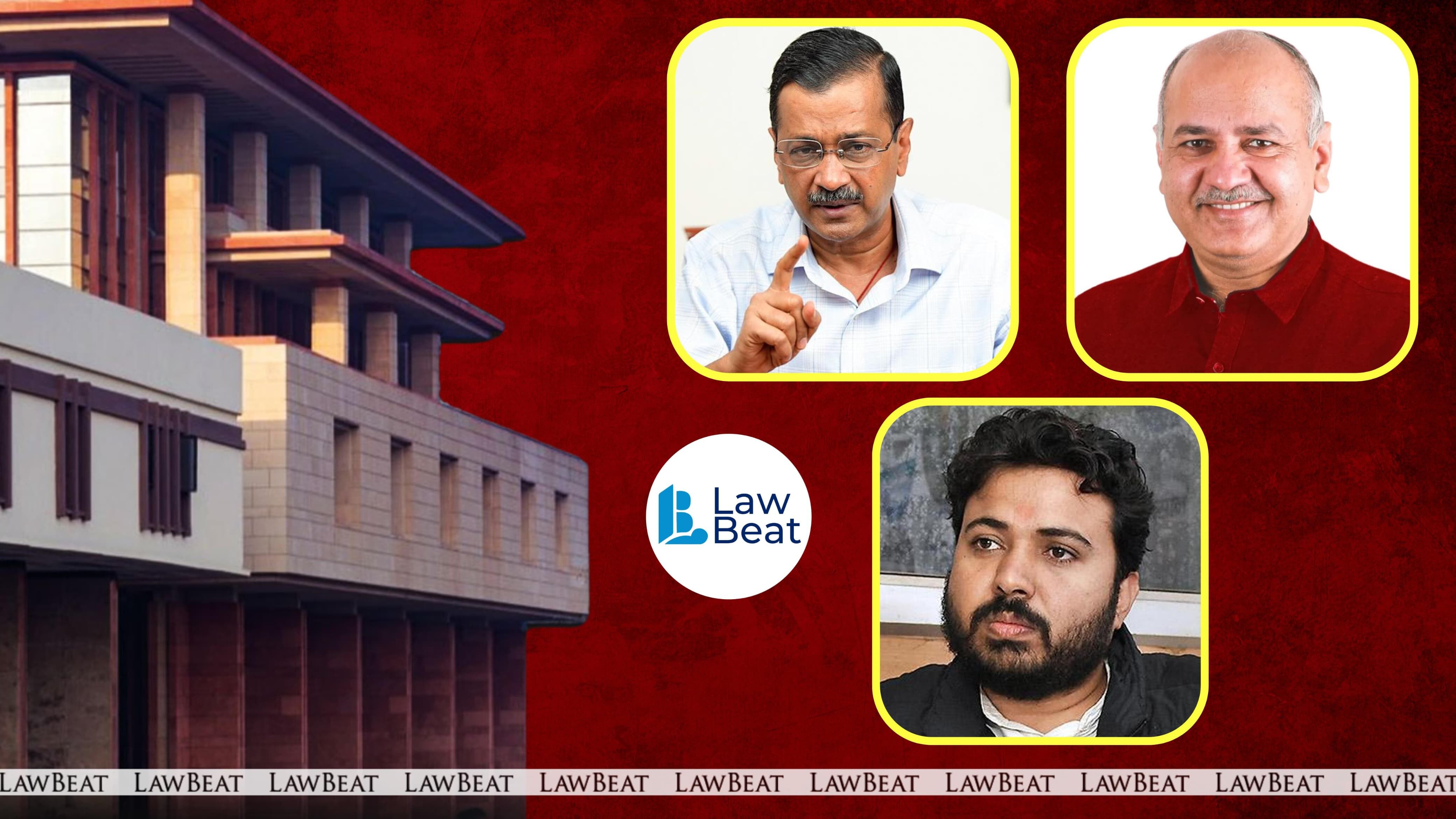
Delhi High Court: CBI to Detail Kejriwal, Sisodia Discharge Challenge
Summary
- The Delhi High Court directed the CBI to submit a detailed chart regarding its challenge to the discharge of Arvind Kejriwal and Manish Sisodia.
- Justice Sachin Datta mandated the CBI to identify specific paragraphs of the trial court's order that are challenged.
- The CBI must also specify any legal tests allegedly misapplied and evidence allegedly ignored or misread by the trial court.
- This directive followed the CBI's argument that the trial court conducted a full evidentiary exercise at the charge stage.
- The court's order sets a high procedural bar for the CBI's appeal in the Delhi liquor policy case.
What Happened in Court
This precise demand from Justice Datta underscores the High Court's expectation for a highly granular and substantiated challenge to the discharge order.
The Delhi High Court recently issued a significant procedural directive to the Central Bureau of Investigation (CBI) concerning its challenge against the discharge of Arvind Kejriwal and Manish Sisodia in the Delhi liquor policy case. Justice Sachin Datta, presiding over the matter, instructed the investigative agency to submit a detailed tabular chart outlining the specific deficiencies the CBI perceives in the trial court's earlier decision.
Specifically, the directive mandates that the CBI pinpoint every paragraph of the trial court's discharge order that it contests. For each identified paragraph, the agency must clearly state which legal test it believes was incorrectly applied by the lower court. Furthermore, the CBI is tasked with identifying any evidence that it alleges was either overlooked or misinterpreted during the trial court's proceedings. This precise demand from Justice Datta underscores the High Court's expectation for a highly granular and substantiated challenge to the discharge order.
The Legal Challenge
The High Court's stringent requirements followed arguments presented by Additional Solicitor General (ASG) SV Raju, representing the CBI. The ASG contended that the trial court had gone beyond its scope at the discharge stage by conducting what amounted to a full evidentiary exercise. This argument suggests that the trial court delved too deeply into the merits of the evidence, a process typically reserved for the full trial, rather than limiting itself to determining if a prima facie case existed for framing charges.
The CBI's challenge to the Manish Sisodia liquor policy discharge and that of Arvind Kejriwal in the alleged Delhi liquor policy scam hinges on this perceived procedural overreach by the trial court. By demanding a tabular chart, the Delhi High Court is effectively asking the CBI to demonstrate, with specific examples, how this alleged "full evidentiary exercise" manifested in the trial court's order and how it led to an erroneous discharge. This directive places a considerable burden on the CBI to articulate its grievances with precision, moving beyond general assertions to concrete legal and factual errors.
Why It Matters
This directive from the Delhi High Court carries significant implications for how investigative agencies, particularly the CBI, must approach challenges to discharge orders. It establishes a clear precedent that appeals against such decisions require more than broad allegations of error; they necessitate a detailed, paragraph-by-paragraph deconstruction of the lower court's reasoning. The court is demanding a precise identification of misapplied legal principles and specific instances of ignored or misread evidence, raising the bar for overturning discharge decisions.
For legal practitioners, this ruling provides crucial guidance on the level of detail and analytical rigor expected when challenging a trial court's discharge order. It highlights that the appellate court will not simply re-evaluate the evidence but will scrutinize the procedural and legal soundness of the initial discharge. The Justice Sachin Datta CBI directive thus reinforces the importance of meticulous preparation and presentation in such high-stakes legal battles, especially in cases involving prominent political figures like Arvind Kejriwal and Manish Sisodia.
Practical Implications
Lawyers should note the Delhi High Court's strict procedural demands on the CBI when challenging a trial court's discharge order, particularly regarding the need to precisely identify misapplied legal tests and evidentiary errors. This indicates a higher bar for overturning discharge decisions and provides guidance on the level of detail required in such appeals.
Source
How does this affect you?
Get an AI analysis of this article grounded in your jurisdictions, practice areas, and any policy documents you've uploaded to Wansom.
Finish Reading the Full Story and the Expert Analysis.
Get the latest legal & regulatory intelligence in India
Wansom is AI and can make mistakes.