
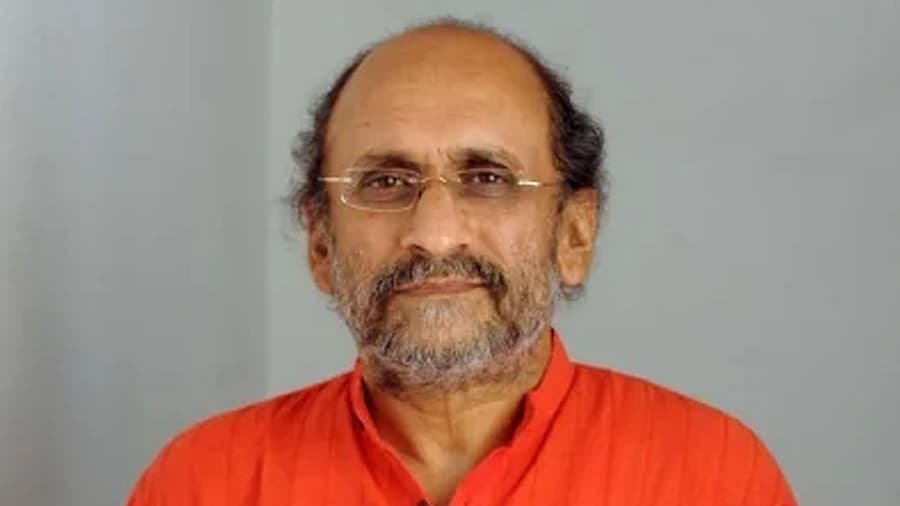
Paranjoy Guha Thakurta Challenges Indiabulls Gag Order in Delhi HC
Summary
- Journalist Paranjoy Guha Thakurta has moved the Delhi High Court to challenge a trial court's gag order.
- The order mandated the takedown of a 2019 article about Indiabulls and its founder, Sameer Gehlaut, who has since divested his stake and resigned from key board positions, and prohibited future reporting.
- Guha argues the trial court's directive is an unconstitutional prior restraint and contains vague, overbroad restrictions on free speech.
- He also claims Indiabulls suppressed material facts to obtain the injunction.
- The case, listed before Justice Manoj Kumar Ohri, addresses a defamation suit and has significant implications for media freedom in India.
What Happened
Guha's legal challenge asserts that the trial court's expansive order constitutes an unconstitutional form of prior restraint.
Journalist Paranjoy Guha Thakurta has initiated legal proceedings in the Delhi High Court, challenging a trial court's directive that ordered the removal of a 2019 article and imposed a sweeping restriction on any future reporting concerning Indiabulls and its founder, Sameer Gehlaut, who has since divested his stake and resigned from key board positions. The matter is slated for an upcoming hearing before Justice Manoj Kumar Ohri, marking a critical juncture in the ongoing dispute.
The core of Guha's appeal targets an interim order issued by a trial court on October 24. This specific ruling, stemming from a defamation case, mandated the immediate takedown of an article titled ‘The Maze of Political Links of Indiabull’s Sameer Gehlaut’. Co-authored by Guha, the investigative piece was originally published on NewsClick in 2019 and subsequently made available on Guha's personal website, reaching a broad audience. Beyond the article's removal, the trial court's injunction further prohibited the publication of any additional content or articles related to Indiabulls, effectively imposing a broad gag order on the subject.
The Journalist's Challenge
Guha's legal challenge, filed through advocates Deeksha Dwivedi and Fahad Khan, asserts that the trial court's expansive order constitutes an unconstitutional form of prior restraint. He argues that the blanket prohibition on all future reporting about Indiabulls represents an overly broad and vague restriction on fundamental free speech rights, directly impinging on the freedom of the press. This contention highlights a crucial legal principle: that pre-publication censorship is generally viewed with extreme skepticism in democratic societies.
Among the specific grounds for his plea, Guha contends that the trial court's directive contains restrictions that are both vague and overbroad, making it difficult for a journalist to discern what information can or cannot be reported without risking contempt. Furthermore, the journalist alleges that Indiabulls suppressed material facts from the court when it sought the initial injunction. This alleged withholding of crucial information, Guha argues, was instrumental in the company obtaining the restrictive order, thereby undermining the fairness of the judicial process.
Free Speech and Defamation in India
This legal battle underscores the persistent tension between corporate entities seeking to protect their reputation through defamation claims and the constitutional right to freedom of speech and expression, a cornerstone of Indian democracy enshrined in Article 19. The Delhi High Court's review of the trial court's order is poised to critically examine the permissible scope of injunctions against media reporting, particularly concerning allegations of public interest.
The outcome of Paranjoy Guha Thakurta's challenge against the Indiabulls gag order carries significant implications for journalistic freedom and the legal framework governing defamation in India. It will provide crucial guidance on how courts balance the right to reputation with the public's right to information and the media's role in holding powerful entities accountable. Legal practitioners and media organizations alike will closely monitor the proceedings, as the ruling could establish an important precedent regarding the application of prior restraint in journalist defamation challenges across the country.
Practical Implications
This case provides a crucial precedent for lawyers advising media clients on challenging gag orders and prior restraint directives, particularly concerning the balance between free speech rights under Article 19 and corporate defamation claims. It also informs corporate legal teams on the potential for such injunctions to be overturned on grounds of vagueness or suppression of facts.
Source
How does this affect you?
Get an AI analysis of this article grounded in your jurisdictions, practice areas, and any policy documents you've uploaded to Wansom.
Finish Reading the Full Story and the Expert Analysis.
Get the latest legal & regulatory intelligence in India
Wansom is AI and can make mistakes.