
Delhi High Court: Directs Review of Indiabulls Gag Order on Media Reporting
Summary
- The Delhi High Court directed a trial court to expeditiously review an ex-parte order restricting media reporting on Indiabulls and Sameer Gehlaut.
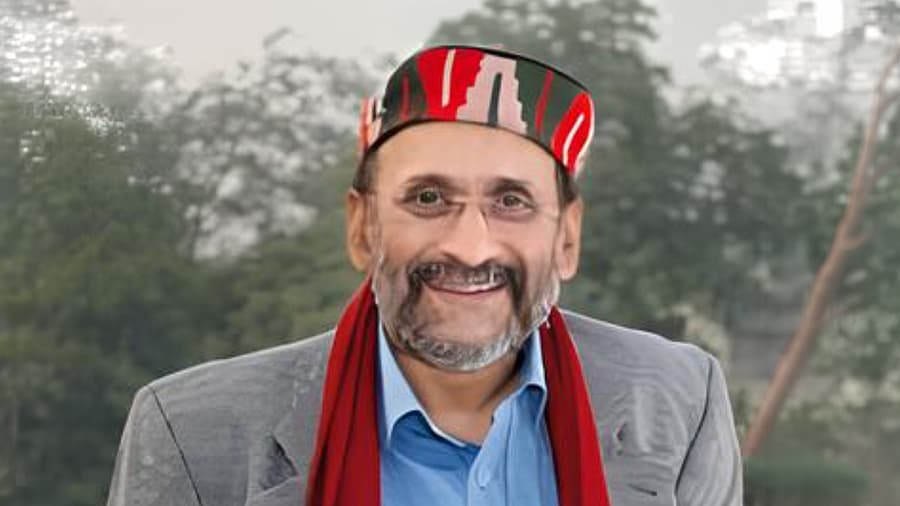
- Justice Manoj Kumar Ohri issued this directive while disposing of an appeal by journalist Paranjoy Guha Thakurta.
- Thakurta had challenged a trial court order from 2019 that mandated the takedown of an article and banned further reports on the subject.
- A similar appeal by Delhi Press Patra Prakashan was also disposed of on November 4 with the same directive to the trial court.
- The interim injunction application is scheduled for further consideration by the trial court on November 21.
Judicial Review of Media Restrictions
The High Court's decision underscores a judicial emphasis on the swift re-evaluation of such pre-emptive injunctions, particularly those impacting media freedom.
The Delhi High Court recently instructed a trial court to promptly assess the ongoing validity of an ad interim ex-parte order that currently restricts various media entities and journalists, including Paranjoy Guha Thakurta, from publishing reports concerning Indiabulls and its promoter, Sameer Gehlaut. This directive was issued by Justice Manoj Kumar Ohri as he concluded an appeal initiated by Mr. Guha Thakurta, who had contested the initial ex-parte ruling. The High Court's decision underscores a judicial emphasis on the swift re-evaluation of such pre-emptive injunctions, particularly those impacting media freedom.
The High Court's order effectively remands the matter to the lower court, requiring it to conduct an expedited review of the injunction. This development is significant for understanding the enforceability and scope of "ex-parte injunction Delhi" orders against media reporting in India. The court specifically noted that the application for the interim injunction is scheduled for further consideration by the trial court on November 21, and all involved defendants have been duly informed of this upcoming hearing. The High Court has mandated that the trial court ensure the swift resolution of this application, contingent on the appearance of all parties involved.
Genesis of the Gag Order
The appeal brought by Paranjoy Guha Thakurta specifically challenged an earlier ex-parte order issued by a trial court. This initial directive had two primary components: it mandated the removal of a 2019 article that focused on Indiabulls and its founder, Sameer Gehlaut, and it simultaneously imposed a broad prohibition on any subsequent reporting related to the subject matter. This "Indiabulls defamation injunction" represented a significant restriction on journalistic activity, prompting Mr. Guha Thakurta's legal challenge.
The original injunction, granted without the presence of the defendants, raised questions about due process and the potential for chilling effects on investigative journalism. Mr. Guha Thakurta's appeal sought to overturn this restrictive order, arguing against the "media reporting restrictions India" that such an injunction imposed. The Delhi High Court's recent decision, while not directly overturning the injunction itself, ensures that its continuation will be subjected to a more thorough and timely examination by the trial court, addressing concerns about the longevity of such ex-parte directives.
Broader Legal Context and Future Steps
This particular ruling by Justice Manoj Kumar Ohri is not an isolated incident; it aligns with a similar disposition made on November 4 concerning an appeal filed by Delhi Press Patra Prakashan, the publisher of Caravan magazine, among other publications. In that instance, too, the High Court directed the trial court to re-examine the matter, indicating a consistent judicial approach to these types of "ad interim ex-parte gag orders." This pattern suggests a broader judicial inclination to ensure that such injunctions, especially those affecting public discourse, are not allowed to persist indefinitely without proper adversarial scrutiny.
The upcoming November 21 hearing at the trial court is therefore a critical juncture. The High Court's explicit instruction for "expeditious disposal" of the application means that the trial court's decision will be closely watched by legal practitioners and media organizations alike. The outcome will provide further clarity on the standards applied to requests for "Sameer Gehlaut reporting ban" and similar restrictions, offering guidance on the balance between protecting corporate reputation and upholding press freedom in India. This ongoing judicial scrutiny highlights the complexities inherent in defamation cases involving prominent entities and the media.
Practical Implications
This case underscores the ongoing judicial scrutiny of ad interim ex-parte gag orders against media reporting in India. Lawyers should monitor the trial court's expedited decision for guidance on the enforceability and scope of such injunctions, particularly when advising media clients or those involved in corporate defamation disputes.
Source
How does this affect you?
Get an AI analysis of this article grounded in your jurisdictions, practice areas, and any policy documents you've uploaded to Wansom.
Finish Reading the Full Story and the Expert Analysis.
Get the latest legal & regulatory intelligence in India
Wansom is AI and can make mistakes.