
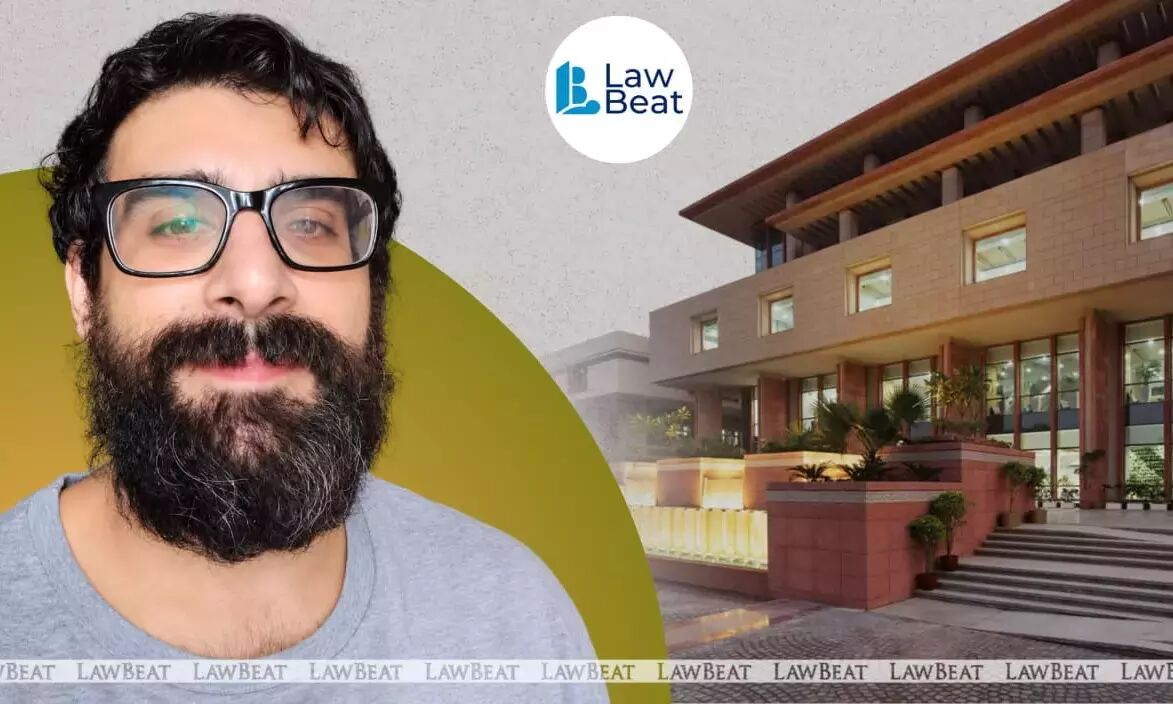
Delhi HC: Omar Rashid Social Media Defamation Claims Are Serious
Summary
- The Delhi High Court flagged "serious imputations" in social media posts against journalist Omar Rashid.
- Omar Rashid filed a defamation suit over online accusations of rape and forcing a woman to consume beef.
- The court orally stated that serious allegations must be corroborated, even if relationships sour.
- It warned that unsubstantiated claims on social media could invite legal consequences.
- The court also urged the parties involved to seek an amicable resolution to the dispute.
Court Flags Grave Online Accusations
The court issued a clear warning that claims made without proper substantiation could lead to severe consequences for those responsible.
The Delhi High Court has recently drawn attention to the severe nature of certain social media posts that led to a defamation suit filed by journalist Omar Rashid. The court specifically highlighted the "serious imputations" contained within these online statements, which form the basis of the legal action. This development underscores the judiciary's increasing scrutiny of digital content and its potential for harm, particularly when it involves unsubstantiated allegations.
Omar Rashid initiated the defamation suit in response to posts circulating on social media platforms. These posts contained highly damaging accusations, alleging that the journalist was involved in rape and had compelled a woman to consume beef. The gravity of these claims prompted the Delhi High Court to take a serious view of the matter, emphasizing the need for accountability in online discourse.
Legal Precedent for Online Imputations
During its proceedings, the Delhi High Court orally remarked on the critical importance of corroboration when serious allegations are made, especially in the public domain of social media. The court acknowledged that personal relationships might experience difficulties, but firmly stated that grave accusations demand concrete evidence. This stance by the Delhi High Court on online imputations sets a significant precedent for how such matters will be handled in India.
The court issued a clear warning that claims made without proper substantiation could lead to severe consequences for those responsible. This highlights the growing legal exposure for individuals engaging in unsubstantiated social media claims in India. Furthermore, the court suggested that the parties involved explore the possibility of an amicable resolution, indicating a preference for mediated outcomes where appropriate, even in cases of serious online defamation liability in India.
Implications for Digital Conduct
This ruling by the Delhi High Court signals a heightened judicial concern regarding the spread of unverified and damaging information on social media platforms. The court's emphasis on the necessity of corroborating serious allegations before publishing them online serves as a crucial reminder for all digital users. It reinforces the principle that the freedom of expression does not extend to making baseless accusations that can severely damage an individual's reputation.
The Omar Rashid defamation suit India, and the court's observations within it, underscore the significant legal risks associated with online posts lacking verifiable evidence. This development is particularly relevant for individuals and organizations alike, as it suggests a more stringent approach by the judiciary towards online defamation. The Delhi HC Omar Rashid social media defamation case thus becomes a key reference point for understanding the evolving landscape of digital accountability in the country.
Practical Implications
This ruling indicates the Delhi High Court's serious view on unsubstantiated allegations made on social media, particularly those involving grave accusations. Lawyers should advise clients on the heightened risk of defamation suits for online posts lacking corroborating evidence, while compliance officers should review and reinforce internal social media policies to mitigate legal exposure for employees' online conduct.
Source
How does this affect you?
Get an AI analysis of this article grounded in your jurisdictions, practice areas, and any policy documents you've uploaded to Wansom.
Finish Reading the Full Story and the Expert Analysis.
Get the latest legal & regulatory intelligence in India
Wansom is AI and can make mistakes.