
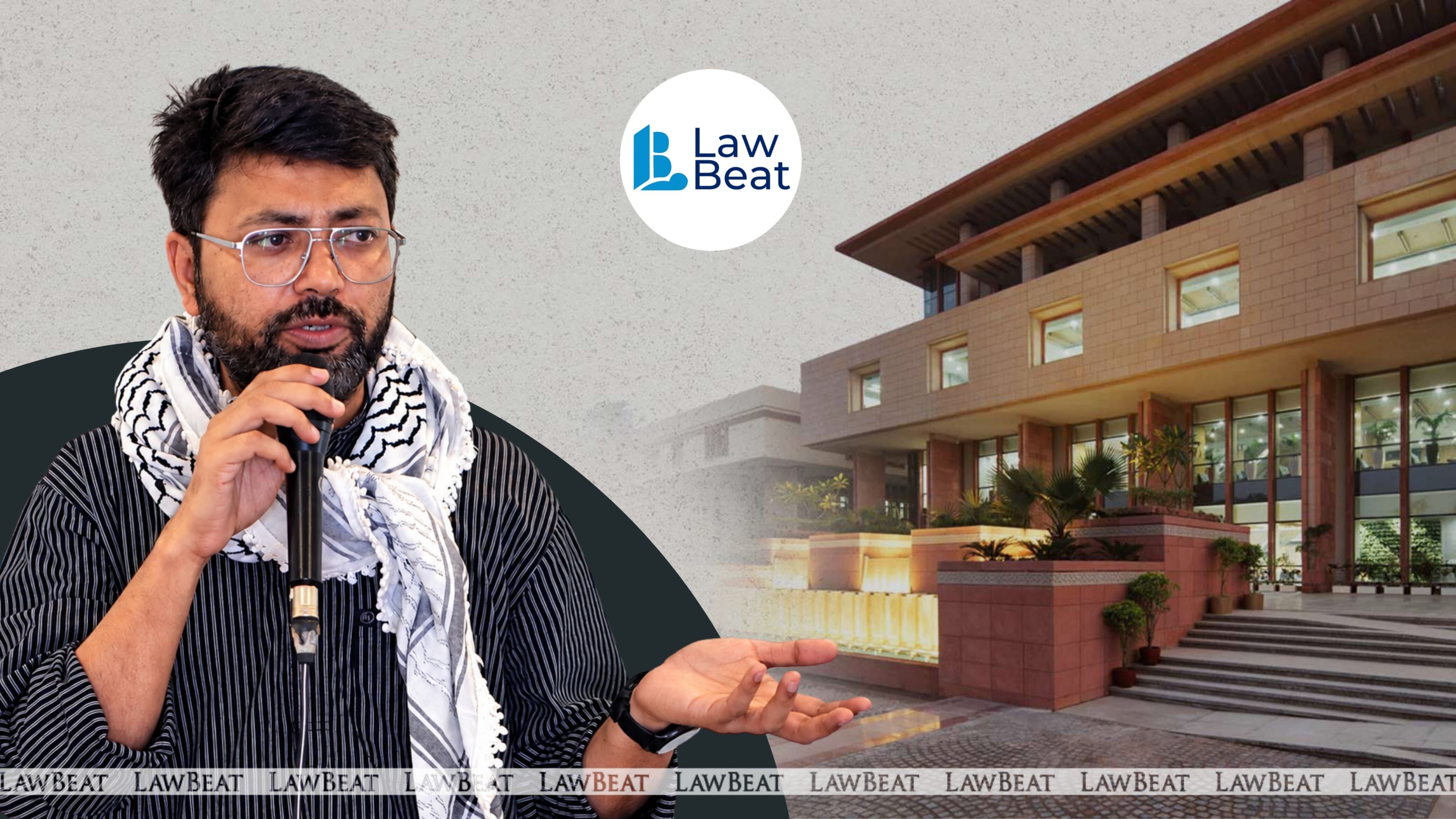
Delhi High Court: Refuses Urgent Hearing for Nadeem Khan Delhi HC Detention Plea
Summary
- The Delhi High Court declined an urgent hearing for Nadeem Khan's plea against apprehended police detention.
- Nadeem Khan, National Secretary of APCR, alleged prior illegal detention and feared another house arrest before an October 10 protest.
- The court noted the absence of any written communication restricting Khan's movement as a reason for its decision.
- The ruling was made on October 9, 2026, denying immediate relief for the activist.
- This case highlights the importance of documented evidence when challenging anticipated police actions in India.
Court Declines Urgent Hearing on Detention Plea
The court specifically highlighted that there was no written communication from the authorities indicating that his liberty would be curtailed.
The Delhi High Court recently declined to grant an urgent hearing for a plea filed by Nadeem Khan, the National Secretary of the Association for Protection of Civil Rights (APCR). Khan's petition sought intervention against what he described as apprehended police detention, specifically a potential house arrest, ahead of a planned protest scheduled for October 10 in the national capital. The court's decision was rendered on October 9, 2026, effectively denying immediate judicial relief for his concerns.
Khan's legal challenge stemmed from prior alleged actions by the Delhi Police. He claimed that law enforcement had illegally detained him during the preceding week. Furthermore, he expressed a strong apprehension that he would face another instance of house arrest, preventing his participation in the upcoming demonstration. This pre-emptive legal action aimed to secure protection from such anticipated police measures.
Legal Context and Court's Rationale
In its assessment, the Delhi High Court noted a critical absence of formal documentation regarding any restrictions on Nadeem Khan's movement. The court specifically highlighted that there was no written communication from the authorities indicating that his liberty would be curtailed. This lack of official notice played a significant role in the court's decision to refuse an urgent hearing on the matter.
The court's stance underscores a procedural requirement for challenging such actions, suggesting that without concrete, written evidence of an impending restriction, the grounds for an urgent intervention are weakened. The plea, which centered on an illegal detention challenge in India, therefore did not meet the threshold for immediate judicial review based on the presented circumstances.
Implications for Activists and Legal Challenges
The Delhi High Court's refusal to grant an urgent hearing on Nadeem Khan's Delhi HC detention plea carries important implications for activists and organizations like the Association for Protection of Civil Rights. It emphasizes the judiciary's reliance on documented evidence when considering allegations of apprehended detention or illegal police actions. The absence of a formal, written order or communication from the Delhi Police regarding a restriction on movement proved to be a decisive factor in the court's decision.
This outcome suggests that individuals facing potential pre-emptive detention or house arrest, particularly those involved in organizing protests, may need to secure tangible proof of such intentions from authorities to successfully seek urgent judicial intervention. The case highlights the procedural hurdles in challenging anticipated state actions without explicit written directives, reinforcing the need for activists and their legal counsel to meticulously document any communication or action that could be construed as an impending restriction on their fundamental rights.
Practical Implications
Lawyers advising activists or protest organizers should note that the Delhi High Court declined urgent relief against apprehended detention due to the absence of written communication restricting movement. This emphasizes the critical need for documented evidence when challenging such police actions or seeking urgent judicial intervention.
Source
How does this affect you?
Get an AI analysis of this article grounded in your jurisdictions, practice areas, and any policy documents you've uploaded to Wansom.
Finish Reading the Full Story and the Expert Analysis.
Get the latest legal & regulatory intelligence in India
Wansom is AI and can make mistakes.