
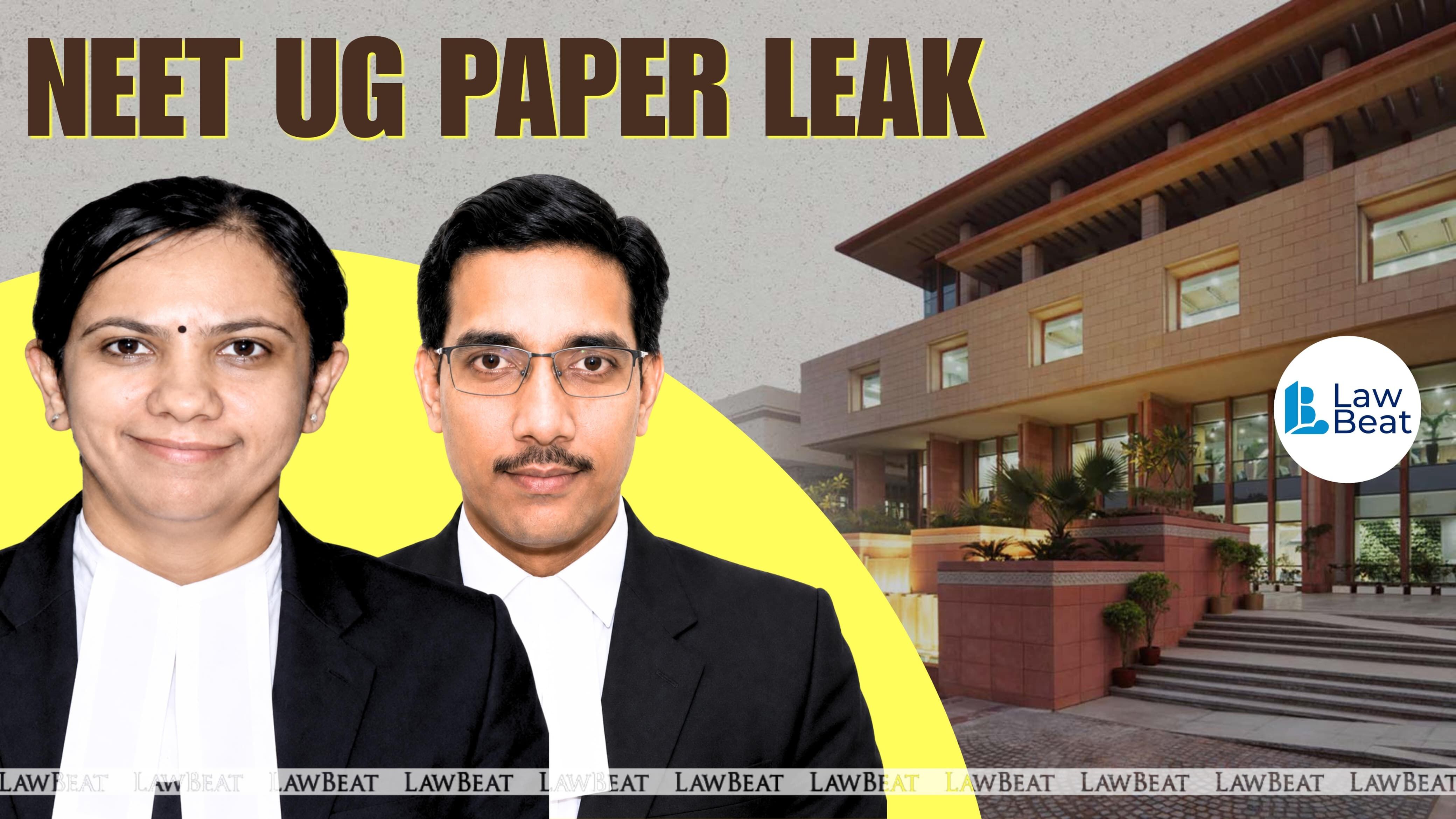
Delhi HC Transfers Special Judge Anu Grover Baliga in NEET UG Paper Leak Cases
Summary
- The Delhi High Court transferred Special Judge Anu Grover Baliga from the designated fast-track paper leak court to an NIA court.
- Judge Ajay Gupta has been posted back to the designated paper leak court and will continue hearing the NEET-UG paper leak matter.
- The transfer order is part of a broader reshuffle involving 138 judicial officers, including several judges reassigned to NIA courts dealing with terrorism-related cases.
- The government's commitment to ensuring swift justice in paper leak cases has led to the establishment of fast-track courts and a zero-tolerance approach towards examination-related malpractice.
NEET-UG Paper Leak Cases Take Center Stage
The transfer order, issued on Saturday, i.e. August 2, also posted several other judicial officers to Special Courts under the NIA Act.
The Delhi High Court's recent transfer of Special Judge Anu Grover Baliga has sent shockwaves through the legal community, particularly in light of her handling of the high-profile NEET-UG paper leak case. Just one week after assuming charge, Judge Baliga was reassigned to a National Investigation Agency (NIA) court, leaving behind a trail of questions about the expeditious disposal of chargesheets and bail applications. The transfer has sparked concerns among lawyers and students alike, who are closely watching the developments in this high-stakes case. With the designated fast-track paper leak court now under new leadership, the focus shifts to Judge Ajay Gupta, who will continue hearing the NEET-UG paper leak matter. As the proceedings unfold, it remains to be seen how the transfer will impact the overall trajectory of the case.
A Shakeup in Judicial Ranks
The Delhi High Court's decision to transfer Judge Baliga is part of a broader reshuffle involving 138 judicial officers. This move has significant implications for the functioning of the court system, particularly in light of the government's commitment to ensuring swift justice in paper leak cases. The transfer order, issued on August 2, also saw several other judges reassigned to NIA courts dealing with terrorism-related cases. Among those affected are Special Judges Vikas Dhull, Prashant Sharma, Pulastya Pramachala, Kiran Bansal, and Amit Bansal. As the court system adapts to these changes, it is essential to examine the potential consequences for the administration of justice.
A Government Commitment to Swift Justice
The establishment of fast-track courts to handle paper leak cases is a direct response to Prime Minister Narendra Modi's announcement that swift justice would be meted out to those responsible. Addressing the issue, PM Modi emphasized the importance of protecting the future of students and ensuring strict punishment for those involved in paper leak rackets. The government's resolve to make the examination system secure and transparent has been echoed by protesters who have demanded accountability from the authorities. As the NEET-UG paper leak case continues to unfold, it remains to be seen whether the government's commitment to swift justice will yield tangible results.
Practical Implications
Lawyers should watch for the implications of this transfer on the NEET-UG paper leak cases, particularly with regards to the expeditious disposal of chargesheets and bail applications.
Source
Source: Original reporting via [Source]
How does this affect your business?
Get an AI analysis of this article grounded in your jurisdictions, practice areas, and any policy documents you've uploaded to Wansom.
Wansom is AI and can make mistakes.