
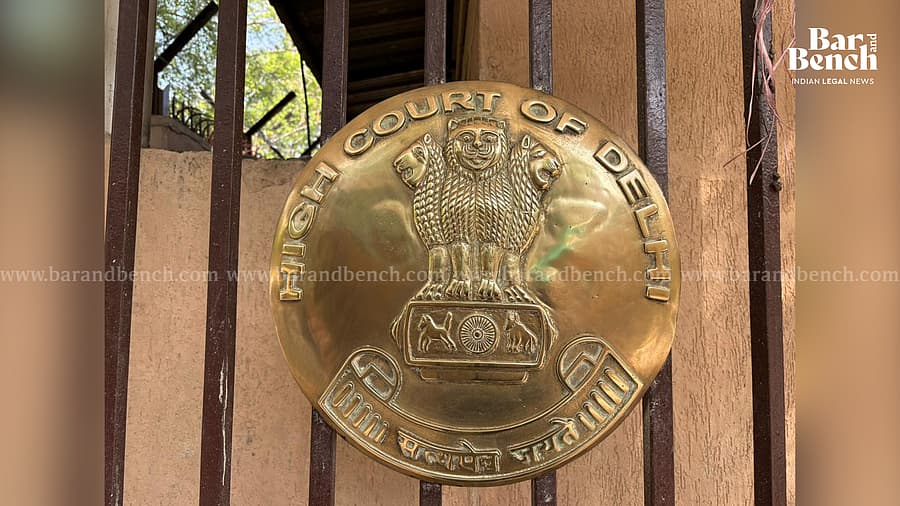
Delhi HC: NIA Must Respond to Asiya Andrabi's Appeal Against Life Imprisonment
Summary
- Delhi High Court seeks NIA reply on Asiya Andrabi's appeal against life imprisonment.
- Court also asks NIA to respond to appeals filed by Andrabi's associates, Sofi Fehmeeda and Nahida Nasreen.
- Matter scheduled to be heard on October 6, with potential implications for lawyers and compliance officers.
Delhi High Court Seeks NIA Reply in Asiya Andrabi's Appeal
The court ruled that their actions aimed at secession of Kashmir, an integral part of the country.
The Delhi High Court has issued a directive for the National Investigation Agency (NIA) to respond to an appeal filed by Kashmiri separatist leader Asiya Andrabi against her life imprisonment sentence. The court, comprising Justices Prathiba M Singh and Vikas Mahajan, also sought NIA's reply on appeals filed by Andrabi's associates, Sofi Fehmeeda and Nahida Nasreen, who are challenging their 30-year imprisonment sentences. Furthermore, the court has asked the NIA to respond to the convicts' plea for suspension of sentence. The matter is scheduled to be heard on October 6.
The court's directive comes after Additional Sessions Judge Chander Jit Singh of the Karkardooma Court sentenced Andrabi to life imprisonment on March 24, 2026, for conspiracy to commit terrorism, waging war against India, and membership of a banned organisation. Fehmeeda and Nasreen were also ordered to spend 30 years in prison for multiple offences.
Legal Context: Banned Organisation Membership
The Delhi High Court's directive highlights the complexities surrounding membership of banned organisations in India. Asiya Andrabi, as the head of Dukhtaran-e-Millat (DeM), and her associates, Fehmeeda and Nasreen, were found guilty of conspiring to commit terrorism and waging war against India. The court ruled that their actions aimed at secession of Kashmir, an integral part of the country. This ruling sets a precedent for similar cases involving membership of banned organisations.
The NIA's response will likely focus on the legal implications of Andrabi's appeal and the convicts' plea for suspension of sentence. The court's decision in this matter may have far-reaching consequences for individuals and organisations involved with banned groups.
Why It Matters: Implications for Lawyers and Compliance Officers
The Delhi High Court's handling of Asiya Andrabi's appeal has significant implications for lawyers and compliance officers. The court's ruling on membership of banned organisations may set new precedents for similar cases, affecting the involvement of clients or organisations with such groups. Lawyers and compliance officers should closely monitor this development to understand its potential impact on their work.
The NIA's response to Andrabi's appeal will also provide valuable insights into the legal framework surrounding terrorism-related cases in India. As the matter is set to be heard on October 6, stakeholders can expect a detailed examination of the legal complexities involved.
Practical Implications
Lawyers and compliance officers should watch for the potential implications of this development on their clients' or organizations' involvement with banned organizations, as well as any new precedents set by the Delhi High Court's handling of similar cases.
Source
How does this affect your business?
Get an AI analysis of this article grounded in your jurisdictions, practice areas, and any policy documents you've uploaded to Wansom.
Wansom is AI and can make mistakes.