
Delhi HC: Saurav Das Privacy Interim Relief Declined
Summary
- The Delhi High Court declined interim relief to Saurav Das in his privacy suit against Abhijit Iyer-Mitra and various media platforms.
- Das alleged public disclosure of his residential address and other personal information, seeking injunctive relief and damages.
- Interim relief was denied because the specific X (formerly Twitter) posts cited as containing the residential address had already been taken down.
- The court will consider broader arguments on public figure privacy, referencing *Justice KS Puttaswamy* and *R. Rajagopal v. State of Tamil Nadu*, at a hearing scheduled for September 14.
- The case highlights the ongoing judicial debate on balancing privacy rights with public interest, particularly for public figures in India.
Delhi High Court Declines Interim Relief in Privacy Suit
This case, involving Saurav Das's privacy suit in India, underscores the ongoing judicial scrutiny of privacy rights for public figures, particularly concerning the dissemination of sensitive personal information like residential addresses.
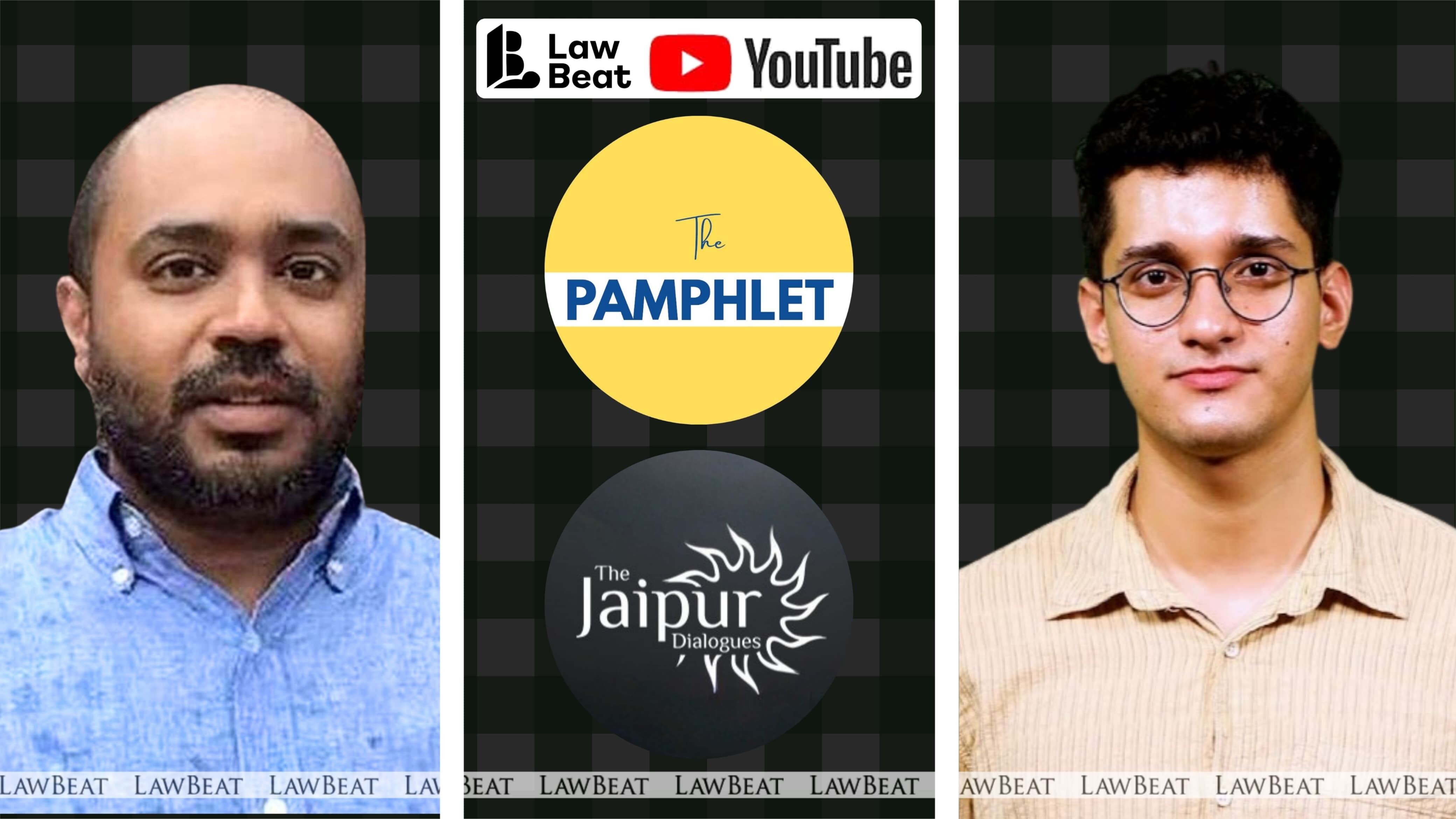
The Delhi High Court recently declined to grant interim relief in a privacy suit filed by Saurav Das, a spokesperson for the Cockroach Janta Party (CJP). Das initiated legal proceedings alleging that his residential address and other personal details were publicly disclosed and disseminated by various parties, including commentator Abhijit Iyer-Mitra and several media entities such as The Pamphlet, Jaipur Dialogues, The Sunday Guardian, and Lawbeat. The suit also named technology giants X Corp and Google among the defendants, specifically citing Lawbeat's YouTube account.
During the hearing, Justice Datta noted that the specific X (formerly Twitter) posts identified in the plaintiff's Schedule A, which allegedly contained Das's residential address, were no longer accessible. Counsel for Das, Senior Advocate Akhil Sibal, had pressed for protection against these posts, emphasizing that the material explicitly identified Das's home. However, the court was informed that X had already removed these links under its internal policy, leading Justice Datta to record their inaccessibility. Consequently, the court did not issue an interim injunction.
Das's legal action seeks both injunctive relief to prevent further publication of his private information and monetary damages. Following the decision on interim relief, Justice Datta directed all defendants to submit their replies to the allegations. The case is now scheduled for a subsequent hearing on September 14, where the broader privacy claims will be considered. It was also clarified during the proceedings that no content from Lawbeat had been ordered to be taken down by any media.
Legal Arguments on Public Figure Privacy
The proceedings before the Delhi High Court delved into complex questions surrounding the privacy rights of public figures in India. Senior Advocate Akhil Sibal, representing Saurav Das, argued that an individual's status as a public figure could not justify the publication of highly personal information, such as their residential address, financial details, or parentage. Sibal referenced established Press Council of India norms and various judicial precedents, asserting that such information remains protected regardless of the individual's public profile. He also specifically cited the Supreme Court's decision in *R. Rajagopal v. State of Tamil Nadu*, which discusses privacy and publication.
Conversely, counsel for Abhijit Iyer-Mitra, Percival Bilimoria, presented a counter-argument, drawing upon the Supreme Court's landmark *Justice KS Puttaswamy (Retd.) v. Union of India* judgment on privacy matters. Bilimoria contended that not all personal information, including a residential address or date of birth, inherently carries a reasonable expectation of privacy in every circumstance. He further suggested that if an individual genuinely apprehends violence, a distinct legal remedy might be more appropriate.
Justice Datta acknowledged the “broad area” of privacy law under discussion, questioning whether different categories of information—like a residential address versus personal finances—could be treated uniformly under privacy protections. The judge indicated that these nuanced submissions would be thoroughly examined on their merits during the next hearing, deferring a definitive ruling on these substantive legal points for now.
Why It Matters: Evolving Standards for Personal Data
This case, involving Saurav Das's privacy suit in India, underscores the ongoing judicial scrutiny of privacy rights for public figures, particularly concerning the dissemination of sensitive personal information like residential addresses. The Delhi High Court's approach highlights the delicate balance courts must strike between an individual's right to privacy and the public interest, especially when the information pertains to a public figure. The court's decision to decline interim relief, primarily due to the prior removal of the offending content by X, indicates a pragmatic judicial approach to immediate remedies while reserving deeper legal questions for full consideration.
The arguments presented by both sides, referencing pivotal Supreme Court judgments such as *Justice KS Puttaswamy* and *R. Rajagopal v. State of Tamil Nadu*, illustrate the evolving legal landscape of personal data protection and injunctive relief in India. The court's query regarding the distinct treatment of different categories of personal information suggests a nuanced interpretation of privacy, moving beyond a blanket application. This development is crucial for understanding the standards for injunctive relief concerning personal data in India.
A procedural correction was also noted during the hearing, where the counsel for Defendant No. 4 clarified that the correct entity was Good Morning India Private Limited, which operates The Sunday Guardian, rather than the incorrectly named Information TV Private Limited. This detail, while minor, reflects the meticulous nature of legal proceedings. The eventual ruling in this case will provide further clarity on the scope of public figure privacy rights and the circumstances under which courts will grant protection against the publication of personal details.
Practical Implications
This case highlights the ongoing judicial scrutiny of privacy rights for public figures in India, particularly concerning the dissemination of personal information like residential addresses. Lawyers should monitor the Delhi High Court's eventual ruling to understand the evolving standards for injunctive relief and the balance between privacy and public interest in such matters, especially when advising public figures or media entities on content publication.
Source
Source: Original reporting via Lawbeat
How does this affect you?
Get an AI analysis of this article grounded in your jurisdictions, practice areas, and any policy documents you've uploaded to Wansom.
Wansom is AI and can make mistakes.