
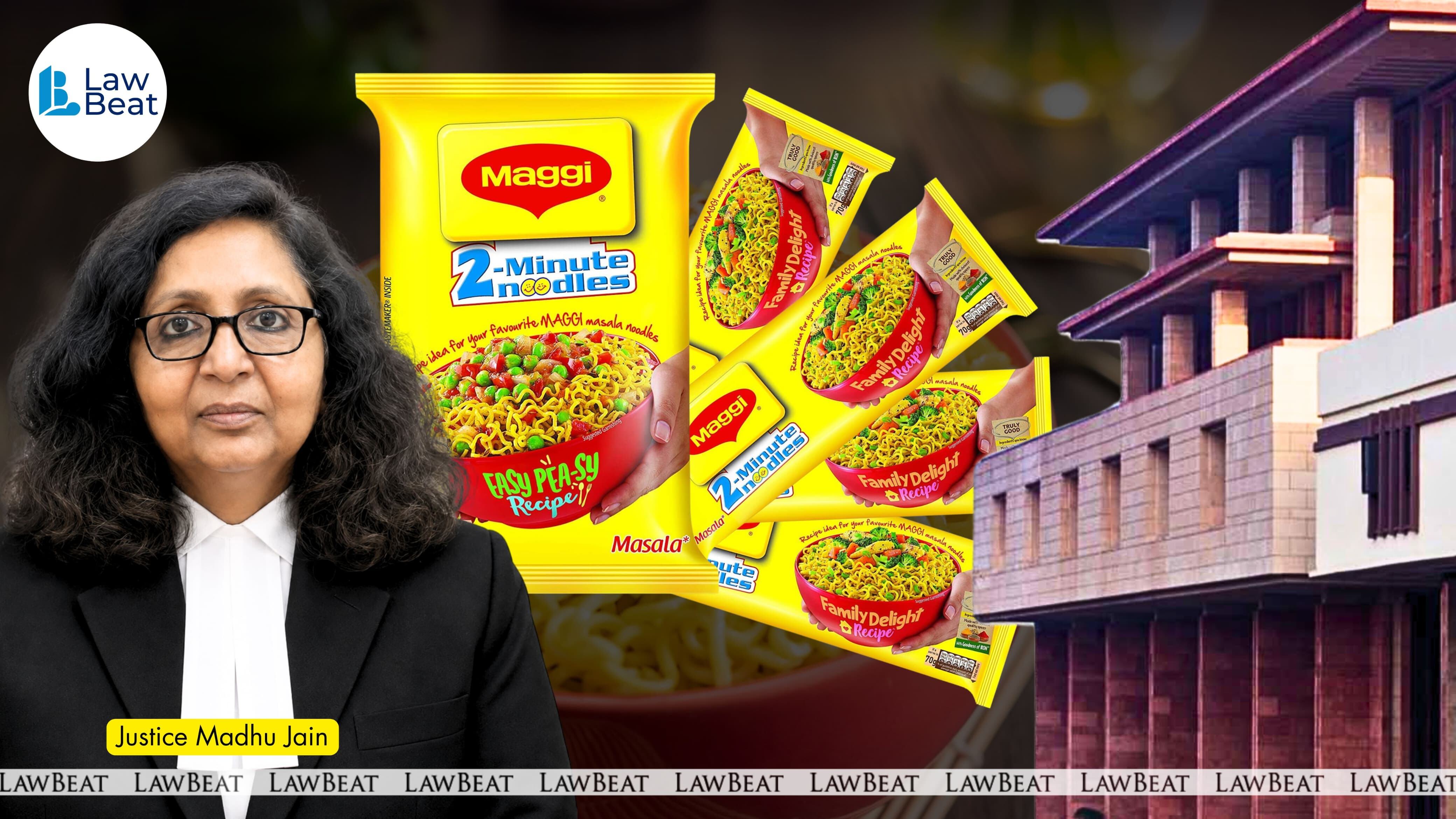
Delhi HC: No Quash for Maggi Lead-Content Prosecutions
Summary
- Delhi High Court quashed two decade-old criminal complaints against Nestle over Maggi Noodles lead-content controversy.
- Court ruled continuing prosecution would be an abuse of law after subsequent tests cleared Maggi.
- Decision made under Section 528 of the Bharatiya Nagarik Suraksha Sanhita, 2023 (which replaced Section 482 CrPC), which allows High Court to quash proceedings if they find them to be an abuse of process.
- Original complaints filed under Food Safety and Standards Act, 2006, based on reports from a Food Analyst declaring Maggi samples 'unsafe'.
- Court relied on several key decisions, including the Bombay High Court's 2015 judgment setting aside nationwide ban on Maggi Noodles.
What Happened
The continuation of the complaints would merely compel the petitioners to undergo a protracted criminal trial despite the very foundation of the prosecution having substantially eroded.
The Delhi High Court has quashed two decade-old criminal complaints against Nestle, related to the 2015 Maggi Noodles lead-content controversy. The court ruled that continuing prosecution over alleged excess lead would be an abuse of law after subsequent tests cleared Maggi. This decision was made under Section 528 of the Bharatiya Nagarik Suraksha Sanhita, 2023 (which replaced Section 482 CrPC), which allows the High Court to quash proceedings if it finds them to be an abuse of process. The original complaints were filed under the Food Safety and Standards Act, 2006, based on reports from a Food Analyst that declared Maggi samples 'unsafe' due to high lead content in the masala tastemaker.
Legal Context
The petitioners invoked the High Court's inherent jurisdiction under Section 528 of the Bharatiya Nagarik Suraksha Sanhita, 2023 (which replaced Section 482 CrPC), arguing that the scientific basis of the prosecution had been undermined by subsequent judicial and scientific developments. The court relied on several key decisions: the Bombay High Court's 2015 judgment setting aside the nationwide ban on Maggi Noodles; the Supreme Court's direction to use CFTRI reports as the basis for adjudication in related proceedings; and the National Consumer Disputes Redressal Commission (NCDRC) considering CFTRI findings while dealing with consumer proceedings. The court also noted that under Section 46(4) of the FSS Act, a report from a Referral Food Laboratory supersedes an original Food Analyst report.
Why It Matters
This judgment has significant implications for Nestle and its lawyers. The decision to quash criminal complaints under Section 528 of the Bharatiya Nagarik Suraksha Sanhita, 2023 (which replaced Section 482 CrPC) means that consumer proceedings have been dismissed, particularly with respect to potential exposure under the Food Safety and Standards Act. Lawyers advising Nestle should review this judgment carefully, considering how it may affect their clients' liability in related cases. The court's emphasis on the erosion of the prosecution's foundation also highlights the importance of timely scientific testing and judicial oversight in regulatory matters.
Practical Implications
Lawyers advising Nestle should review the implications of this judgment, particularly with respect to ongoing consumer proceedings and potential exposure under the Food Safety and Standards Act.
Source
How does this affect you?
Get an AI analysis of this article grounded in your jurisdictions, practice areas, and any policy documents you've uploaded to Wansom.
Wansom is AI and can make mistakes.