
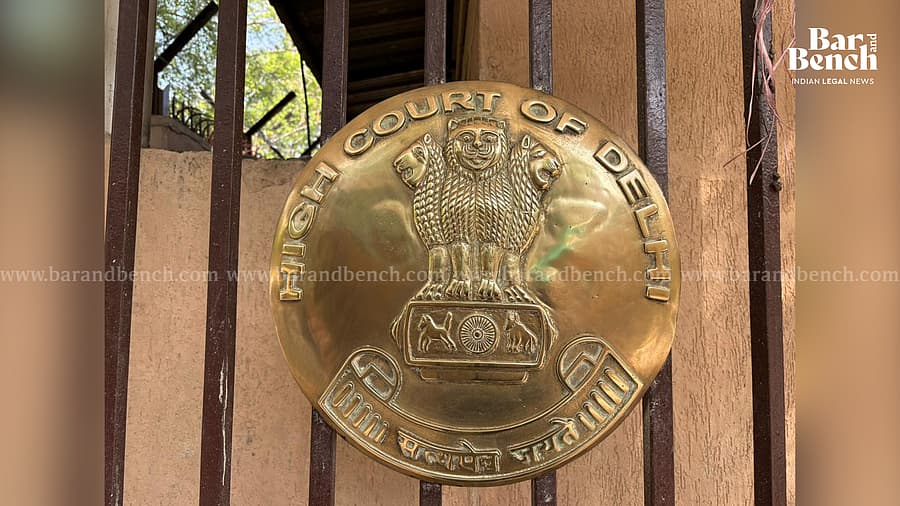
Delhi HC Kshatriya Karni Sena Protest: Court Orders Police Decision
Summary
- The Delhi High Court directed the Delhi Police to decide on the Kshatriya Karni Sena's request for an anti-reservation protest by September 14.
- The organization seeks to demonstrate against reservation policies and University Grants Commission (UGC) regulations at Jantar Mantar on September 20.
- Justice Swarana Kanta Sharma instructed the police to inform the group of their decision and any imposed conditions.
- The court's intervention followed a plea from Dr. Raj Shekhawat after police denied permission for an earlier September 6 protest due to the BRICS summit.
Court Directs Police on Protest Permit
This ruling by the Delhi High Court reinforces the principle that administrative decisions concerning public assembly, such as granting Jantar Mantar protest permission, are not beyond judicial scrutiny.
The Delhi High Court recently intervened in a matter concerning public assembly, instructing the Delhi Police to promptly address a request from the Kshatriya Karni Sena. On Monday, the court mandated that the police consider and decide by September 14 on the organization's application for an anti-reservation demonstration. This proposed protest, targeting reservation policies and University Grants Commission (UGC) regulations, is slated to take place at Jantar Mantar on September 20.
Justice Swarana Kanta Sharma, presiding over the case, emphasized that the police must communicate their decision to the Kshatriya Karni Sena. Furthermore, the court clarified that while the authorities are empowered to impose any necessary conditions on the planned demonstration, a definitive response must be provided by the stipulated deadline. This directive underscores the judiciary's role in overseeing administrative processes related to fundamental rights, particularly concerning Jantar Mantar protest permission.
Background to the Denial
The High Court's order stemmed from a petition filed by Dr. Raj Shekhawat, who leads the Kshatriya Karni Sena. Dr. Shekhawat's plea challenged an earlier decision by the Delhi Police to deny permission for a peaceful anti-reservation demonstration that his group had planned for September 6. The organization had sought to protest against both existing reservation policies and specific University Grants Commission regulations, making it a significant Delhi Police anti-reservation demonstration.
According to Additional Solicitor General (ASG) Chetan Sharma, representing the police, the initial denial for the September 6 event was primarily due to the BRICS summit taking place at that time. ASG Sharma informed the court that the police were prepared to reconsider the request once the summit concluded, indicating a temporary rather than absolute refusal. Dr. Shekhawat's original application, submitted on August 27, included an undertaking to adhere to all lawful directives, highlighting the group's intent to conduct a compliant public gathering against UGC regulations protest Delhi.
Legal Context and Judicial Oversight
This ruling by the Delhi High Court reinforces the principle that administrative decisions concerning public assembly, such as granting Jantar Mantar protest permission, are not beyond judicial scrutiny. The court's directive for the Delhi Police to provide a reasoned decision by a specific date, while also allowing for the imposition of conditions, illustrates a balance between maintaining public order and upholding the freedom of assembly in India.
Justice Swarana Kanta Sharma's instructions ensure that the police's administrative discretion is exercised transparently and with due consideration for the applicant's rights. This judicial oversight is crucial for groups like the Kshatriya Karni Sena, ensuring that their requests for anti-reservation demonstrations are evaluated fairly, rather than being summarily dismissed. The case serves as a reminder that authorities must offer clear justifications for their decisions, particularly when fundamental rights are at stake, thereby preventing arbitrary denials of protest permissions and reinforcing the limits of public order administrative discretion.
Practical Implications
This ruling reinforces that police decisions on public assembly permits are subject to judicial review, requiring authorities to provide reasoned consideration for protest requests. Lawyers advising clients on fundamental rights or challenging administrative denials of public demonstrations should note this precedent regarding the court's power to direct reconsideration.
Source
How does this affect you?
Get an AI analysis of this article grounded in your jurisdictions, practice areas, and any policy documents you've uploaded to Wansom.
Finish Reading the Full Story and the Expert Analysis.
Wansom is AI and can make mistakes.