
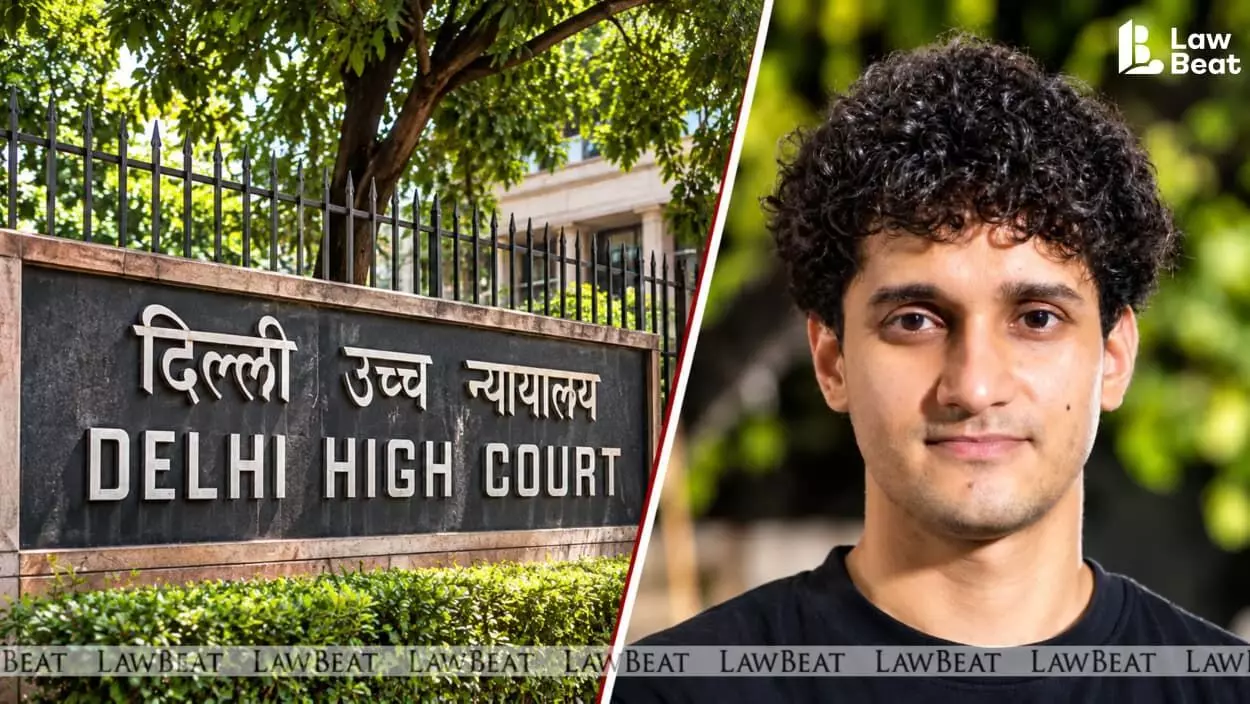
Delhi HC: Centre Links Saurav Das Passport Discrepancy to Citizenship
In India, the Union Government informed the Delhi High Court on November 26, 2026, that a Look Out Circular (LOC) had been issued against Cockroach Janata Party (CJP) co-convenor Saurav Das at the request of Mumbai Police, following his prevention from boarding a London-bound flight on November 23.
This case highlights critical issues surrounding the procedural fairness and transparency of Look Out Circulars in India, particularly concerning an individual's fundamental right to travel and the due process afforded when such administrative actions are taken. The Union's assertion that an alleged passport discrepancy could potentially impact Das's Indian citizenship further escalates the legal stakes, raising significant concerns about the scope and implications of executive actions on fundamental rights. For legal practitioners, this matter underscores the inherent challenges in effectively challenging executive actions when the underlying information, such as the LOC itself, is not readily disclosed to the affected party, thereby impeding their ability to take appropriate legal steps.
LOCs are administrative directives issued by various law enforcement and investigative agencies in India to prevent individuals from leaving the country. While not explicitly codified by a specific statute, their operation is primarily governed by office memoranda issued by the Ministry of Home Affairs. The right to travel abroad is recognized as an integral part of the right to life and personal liberty under Article 21 of the Indian Constitution, subject only to reasonable restrictions imposed by law. The Delhi High Court, as a superior court, possesses the jurisdiction under Article 226 of the Constitution to entertain writ petitions challenging such executive actions. The core legal context here involves balancing state security and investigative needs against an individual's fundamental rights and the principles of natural justice, particularly the right to be heard and informed.
Key parties involved in this matter include Saurav Das, the CJP co-convenor and petitioner challenging the action; the Union Government, represented by Additional Solicitor General and Senior Advocate Chetan Sharma; the Delhi High Court, which is adjudicating the petition; and the Mumbai Police, who initiated the request for the LOC. Das's counsel, Senior Advocate Akhil Sibal, has emphasized the lack of prior notification or disclosure of the LOC, which forms a central point of contention in the ongoing proceedings. The outcome of this matter is not yet reported, as the Court has adjourned the case to December 9, requesting a report from the Union.
Attorneys should closely monitor the Delhi High Court's directions regarding the disclosure of LOCs and the Union's forthcoming report. This case has the potential to establish important precedents concerning the procedural requirements for issuing and challenging LOCs, particularly regarding the right of affected individuals to be informed and to access the underlying documents. Businesses and individuals, especially those with international travel requirements or any past legal entanglements, should be acutely aware of the possibility of LOCs being issued without immediate notification and understand the legal avenues available to challenge such restrictions. The potential linkage between passport discrepancies and citizenship implications also warrants careful attention for clients with complex nationality or travel document issues.
How does this affect you?
Get an AI analysis of this article grounded in your jurisdictions, practice areas, and any policy documents you've uploaded to Wansom.
Finish Reading the Full Story and the Expert Analysis.
Get the latest legal & regulatory intelligence in India
Wansom is AI and can make mistakes.