
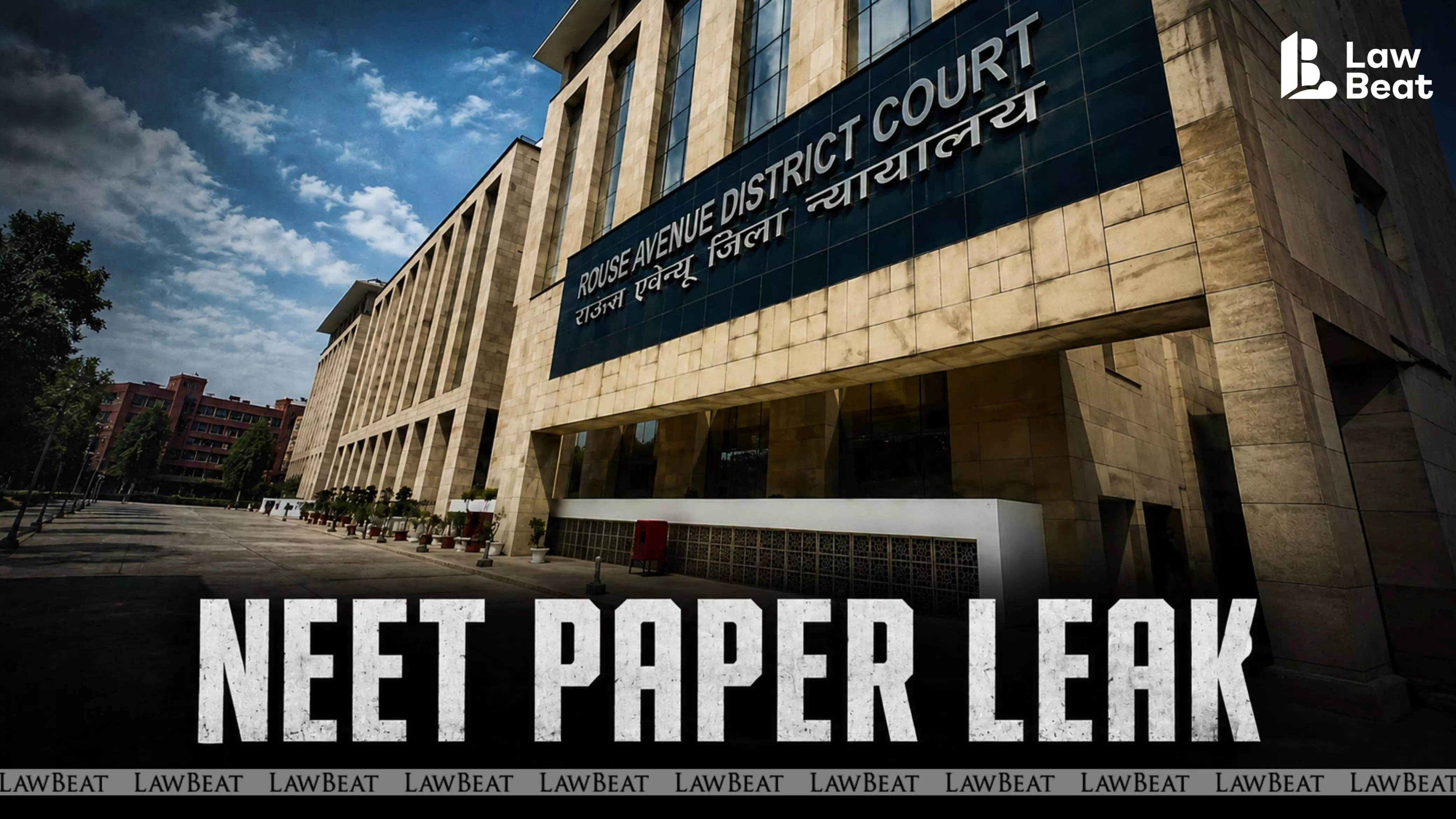
Delhi Court: NEET-UG 2026 Paper Leak Charges Framed Against 14
Summary
- A Special CBI Judge in Delhi has ordered charges against 14 individuals in the NEET-UG 2026 paper leak case.
- Three NTA subject experts are among those charged, accused of breaching written undertakings not to share exam material.
- Charges have been framed under the Bharatiya Nyaya Sanhita, Prevention of Corruption Act, Public Examinations Act, and Copyright Act.
- A day-to-day trial for the case is scheduled to commence on November 25.
Court Orders Charges in NEET-UG Paper Leak
The judicial finding indicates that these NTA translation experts had, on a prima facie basis, violated explicit written undertakings they had provided, which specifically prohibited the sharing of confidential examination materials.
The Special CBI Judge has formally ordered the framing of charges against 14 individuals implicated in the NEET-UG 2026 paper leak case. This significant development from the Delhi Court sets the stage for a day-to-day trial, which is scheduled to commence on November 25. The court's decision underscores a serious breach of examination protocols and the integrity of the National Eligibility cum Entrance Test (Undergraduate) process, a crucial gateway for medical aspirants in India.
Among those facing charges are three subject experts from the National Testing Agency (NTA), the body responsible for conducting the examination. The judicial finding indicates that these NTA translation experts had, on a prima facie basis, violated explicit written undertakings they had provided, which specifically prohibited the sharing of confidential examination materials. This alleged breach of trust and contractual obligation forms a central component of the accusations leveled against them, highlighting the critical role of individual responsibility in maintaining exam security.
Legal Framework and Accusations
The charges against the 14 individuals, including the NTA subject experts, have been ordered under a comprehensive set of legal statutes. These include the recently enacted Bharatiya Nyaya Sanhita (BNS), the Prevention of Corruption (PC) Act, the Public Examinations Act, and the Copyright Act. The application of these diverse laws highlights the multi-faceted nature of the alleged offenses, ranging from corruption to intellectual property infringement and specific examination-related misconduct, demonstrating the severity with which such breaches are being treated.
The inclusion of the Bharatiya Nyaya Sanhita in the charges for the NEET-UG 2026 paper leak case signifies a modern legal approach to such offenses, reflecting updated legislative intent to combat examination malpractices more effectively. Furthermore, the invocation of the Public Examinations Act India specifically targets the integrity of public examinations, aiming to deter and punish those who compromise their fairness. The Prevention of Corruption Act addresses any corrupt practices that may have facilitated the leak, while the Copyright Act addresses the unauthorized dissemination of proprietary examination content, ensuring all angles of the alleged crime are covered.
Implications for Examination Integrity
This ruling by the Delhi Court carries substantial implications for the sanctity of public examinations and the accountability of individuals entrusted with sensitive educational materials. The direct involvement of NTA subject experts in the charges, particularly concerning their alleged breach of written undertakings, signals a heightened level of scrutiny and potential personal liability for those involved in the creation and handling of exam papers. This development reinforces the critical importance of upholding confidentiality agreements and ethical standards within examination bodies.
The impending day-to-day trial, starting November 25, will closely examine the evidence surrounding the NEET-UG 2026 paper leak. This case serves as a critical precedent, reinforcing the legal consequences for any compromise of examination confidentiality and the severe penalties under laws like the Bharatiya Nyaya Sanhita and the Public Examinations Act. It also emphasizes the importance of robust compliance protocols and ethical conduct for all personnel, including subject matter experts, engaged in the administration of high-stakes tests like NEET, to prevent future incidents and maintain public trust.
Practical Implications
This development signals increased legal scrutiny and potential personal liability for individuals, including subject matter experts, involved in the handling of confidential examination materials. Lawyers advising educational institutions or examination bodies should review compliance protocols for safeguarding sensitive data, particularly concerning undertakings and potential breaches under the Bharatiya Nyaya Sanhita, Public Examinations Act, and Prevention of Corruption Act.
Source
How does this affect you?
Get an AI analysis of this article grounded in your jurisdictions, practice areas, and any policy documents you've uploaded to Wansom.
Finish Reading the Full Story and the Expert Analysis.
Get the latest legal & regulatory intelligence in India
Wansom is AI and can make mistakes.