
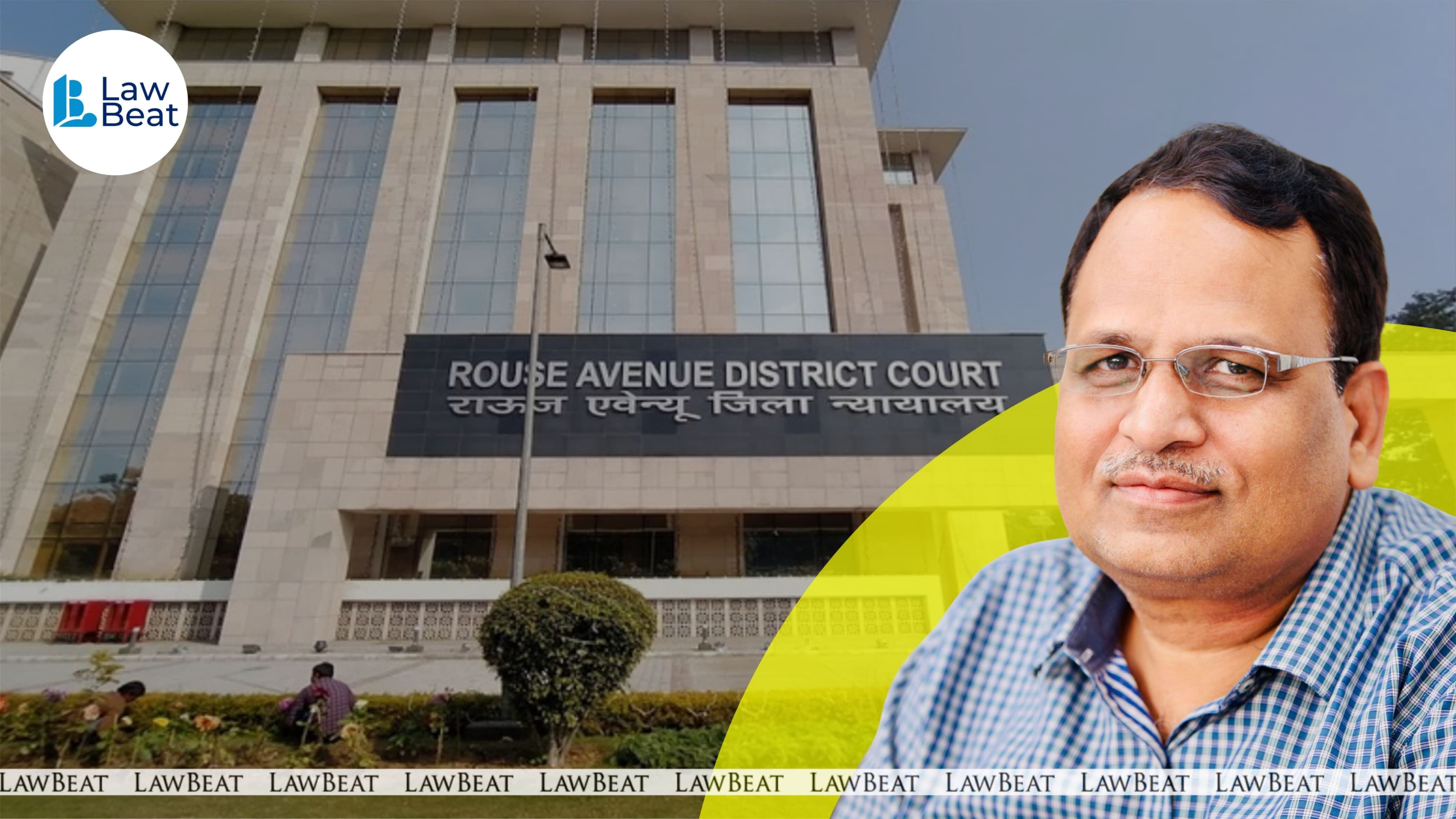
Delhi Court: Grants Satyender Jain Bail Over 27-Month Arrest Delay
Summary
- The Delhi Court granted regular bail to former Delhi Water Minister Satyender Kumar Jain.
- The decision relates to the Delhi Jal Board sewage treatment plant corruption case.
- The court criticized a 27-month delay before his arrest, deeming it "arbitrary."
- No direct evidence linked Mr. Jain to alleged kickbacks or corrigendums.
What Happened
The court explicitly noted the absence of direct evidence linking the former minister to the alleged kickbacks central to the Delhi Jal Board corruption case.
The Delhi Court recently issued a significant ruling, granting regular bail to Satyender Kumar Jain, the former Water Minister for Delhi. This decision pertains to the Delhi Jal Board (DJB) sewage treatment plant corruption case, an ongoing legal matter that has drawn considerable attention and scrutiny. The court's order allows Mr. Jain to be released on bail, marking a crucial development in the protracted legal proceedings that have kept him in custody.
In its assessment, the Delhi Court highlighted specific concerns regarding the investigative process leading up to the arrest. A key factor influencing the decision was the substantial delay of 27 months that occurred prior to Mr. Jain's apprehension. The court found this prolonged period "tends to invite criticism that it is arbitrary," suggesting a procedural irregularity that weighed heavily in favor of granting bail. This finding underscores the judiciary's scrutiny of the timing and justification of arrests in complex corruption investigations, emphasizing the importance of timely action by prosecuting agencies.
The court's pronouncement on the arbitrary nature of the delay serves as a critical element in its overall reasoning. It suggests that while the allegations in the Delhi Jal Board corruption case are serious, the manner in which the investigation progressed, particularly the extended period before an arrest was made, raised fundamental questions about fairness and due process. This aspect of the ruling is particularly noteworthy for its potential implications on future cases involving similar investigative timelines.
Judicial Scrutiny and Evidentiary Standards
The Delhi Court's decision to grant Satyender Kumar Jain bail was not solely based on the delay in his arrest but also on a critical evaluation of the evidence presented by the prosecution. The court explicitly noted the absence of direct evidence linking the former minister to the alleged kickbacks central to the Delhi Jal Board corruption case. This lack of direct proof played a pivotal role in the judicial determination that regular bail was warranted, indicating a high bar for evidentiary standards in such matters.
Furthermore, the court found no direct evidentiary connection between Mr. Jain and the alleged corrigendums, which are often amendments or corrections to official documents, implicated in the case. This dual finding — concerning both alleged kickbacks and corrigendums — emphasizes the court's demand for substantive, direct evidence to justify continued incarceration. The ruling reinforces the principle that mere suspicion, circumstantial inferences, or a general perception of guilt may not suffice to deny an accused person their liberty, especially when faced with procedural shortcomings like an arbitrary delay in arrest.
This judicial insistence on direct evidence is a cornerstone of India criminal bail jurisprudence. It ensures that individuals are not held indefinitely without concrete proof directly linking them to the alleged offenses. The court's careful examination of the evidence, or lack thereof, in the Delhi Court corruption case highlights a commitment to upholding fundamental rights even in high-profile cases involving public figures.
Precedent for Bail in Corruption Cases
This ruling by the Delhi Court, which grants Satyender Jain bail, establishes a significant precedent for legal professionals navigating corruption cases across India. The court's emphasis on the arbitrary nature of a 27-month delay before arrest provides a strong foundation for lawyers challenging prolonged investigative periods. It suggests that such delays can be a critical ground for bail applications, particularly when they appear unjustified or without clear cause, thereby influencing the interpretation of "bail delay in arrest grounds."
Moreover, the court's insistence on direct evidence, specifically noting its absence regarding alleged kickbacks and corrigendums, offers a powerful tool for defense attorneys. This aspect of the judgment reinforces the necessity for prosecuting agencies to present concrete, direct links between the accused and the alleged criminal acts, rather than relying on indirect or speculative connections. It strengthens the argument that procedural infirmities and a lack of substantive proof are compelling reasons for granting India criminal bail.
The implications extend beyond the immediate case, potentially shaping how future Delhi Court corruption case proceedings are handled. This decision underscores the judiciary's role in safeguarding individual liberties against potentially overzealous or inefficient investigative practices. It provides a clear signal that courts will scrutinize both the procedural aspects of an arrest and the substantive evidence presented, offering a vital safeguard for those accused in complex financial and corruption matters.
Practical Implications
This ruling provides a significant precedent for lawyers challenging prolonged investigative delays or arbitrary arrests in corruption cases, particularly where direct evidence linking the accused to alleged kickbacks is absent. It reinforces grounds for bail applications based on procedural infirmities and lack of substantive proof.
Source
How does this affect you?
Get an AI analysis of this article grounded in your jurisdictions, practice areas, and any policy documents you've uploaded to Wansom.
Finish Reading the Full Story and the Expert Analysis.
Wansom is AI and can make mistakes.