
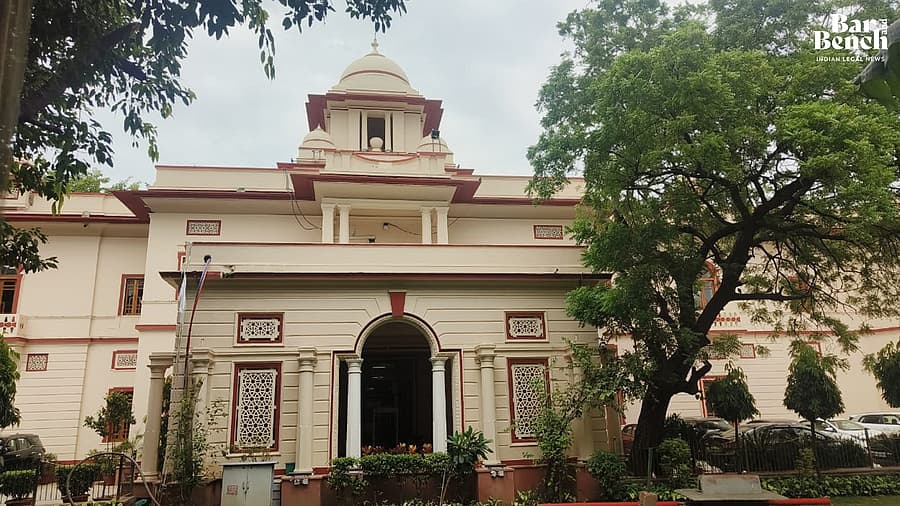
Delhi Court: Orders FIR Against Karishma Aziz Under BNSS 175(3)
Summary
- A Delhi court has ordered the Delhi Police to register an FIR against social media user Karishma Aziz.
- The FIR is based on allegations of derogatory remarks against Hindu religious beliefs, historical figures, and Prime Minister Narendra Modi.
- Chief Judicial Magistrate Mridul Gupta of the Patiala House Court issued the directive under Section 175(3) of the Bharatiya Nagarik Suraksha Sanhita (BNSS).
- The court found that the allegations disclosed cognizable offenses requiring investigation.
- The complaint detailed posts from February to April 2025, including remarks mocking a Hindu saint, comparing the PM to a dog, and portraying Aurangzeb favorably while demeaning Hindu icons.
Court Directs FIR Over Alleged Derogatory Posts
This case provides a practical example of a Delhi court directing an FIR under Section 175(3) of the new Bharatiya Nagarik Suraksha Sanhita (BNSS) for alleged derogatory social media remarks.
A Delhi court has instructed the Delhi Police to register a First Information Report (FIR) against social media user Karishma Aziz. The directive, issued by Chief Judicial Magistrate (CJM) Mridul Gupta of the Patiala House Court, follows allegations that Aziz published posts and videos containing remarks deemed derogatory towards Hindu religious beliefs, historical figures, and even compared Prime Minister Narendra Modi to a dog.
The court's order specifically mandates the Station House Officer (SHO) of the Cyber Police Station, New Delhi, to proceed with the registration of the FIR and initiate an investigation in accordance with legal procedures. This action stems from a complaint filed by advocate Amita Sachdeva, who brought the alleged content to the court's attention. The court determined that the accusations against Aziz indicate the commission of cognizable offenses, which necessitate a thorough investigation by law enforcement authorities.
The complaint detailed several instances of alleged offensive content, which Sachdeva reportedly encountered between February and April 2025. These included remarks that allegedly mocked a Hindu saint's spiritual views and disability, disparaged Hindu warriors and historical figures, and presented Aurangzeb in a favorable light while purportedly demeaning Hindu icons. Furthermore, the complaint asserted that Aziz had labeled Savarkar as a traitor and made other comments targeting Hinduism and patriotic sentiments.
Legal Framework Under BNSS Section 175(3)
The court's decision to order the registration of an FIR against Karishma Aziz was made under Section 175(3) of the Bharatiya Nagarik Suraksha Sanhita (BNSS). This particular provision of the new criminal procedure framework empowers a magistrate to direct the police to register an FIR and subsequently investigate a cognizable offense. The application under this section was explicitly allowed by Judge Gupta, underscoring the legal basis for the police action.
This case provides a practical example of a Delhi court directing an FIR under Section 175(3) of the new Bharatiya Nagarik Suraksha Sanhita (BNSS) for alleged derogatory social media remarks. The Chief Judicial Magistrate Mridul Gupta's order highlights the judicial authority to compel police action when allegations point to offenses that are serious enough to warrant immediate investigation without a warrant, as defined by law. The application of Section 175(3) in this context demonstrates its utility in initiating criminal proceedings based on online content, particularly concerning sensitive issues like religious sentiments and public figures.
Implications for Online Content and Public Discourse
The directive from the Patiala House Court carries significant implications for individuals engaging in online discourse, particularly concerning religious and political commentary in India. The order to register an FIR against Karishma Aziz for alleged derogatory remarks on social media underscores the potential legal ramifications of expressing opinions that may be perceived as offensive or inflammatory.
Lawyers should note this precedent for the initiation of criminal proceedings based on online content, particularly concerning religious sentiments and public figures. The case serves as a reminder of the heightened legal risks associated with such expressions under the new criminal procedure framework, as the court found the allegations to disclose cognizable offenses requiring investigation. This development suggests a stricter approach to content deemed to cross the line into defamation or hate speech, especially when it targets religious beliefs, historical figures, or national leaders.
Practical Implications
This case provides a practical example of a Delhi court directing an FIR under Section 175(3) of the new Bharatiya Nagarik Suraksha Sanhita (BNSS) for alleged derogatory social media remarks. Lawyers should note this precedent for the initiation of criminal proceedings based on online content, particularly concerning religious sentiments and public figures, and advise clients on the heightened legal risks associated with such expressions under the new criminal procedure framework.
Source
How does this affect you?
Get an AI analysis of this article grounded in your jurisdictions, practice areas, and any policy documents you've uploaded to Wansom.
Finish Reading the Full Story and the Expert Analysis.
Get the latest legal & regulatory intelligence in India
Wansom is AI and can make mistakes.