
Delhi Court: Dismisses Defamation Complaint Over Questioning Government
Summary
- A Delhi court rejected a criminal defamation complaint against Delhi government minister and AAP leader Saurabh Bharadwaj by Minister Parvesh Sahib Singh.
- The court ruled that questioning the government, especially by a public representative, does not amount to defamation.
- ACJM Neha Mittal emphasized that the threshold for criminal defamation is higher in political discourse.
- The court found the Minister had approached with "unclean hands" due to a contradiction regarding his association with an individual mentioned in Bharadwaj's posts.
- This ruling reinforces the right to scrutinize government actions and cautions against misusing the judicial process for frivolous petitions.
Court Upholds Right to Question Government
Crucially, the court articulated that the threshold for criminal defamation must be considerably higher when the discourse involves political personalities and parties.
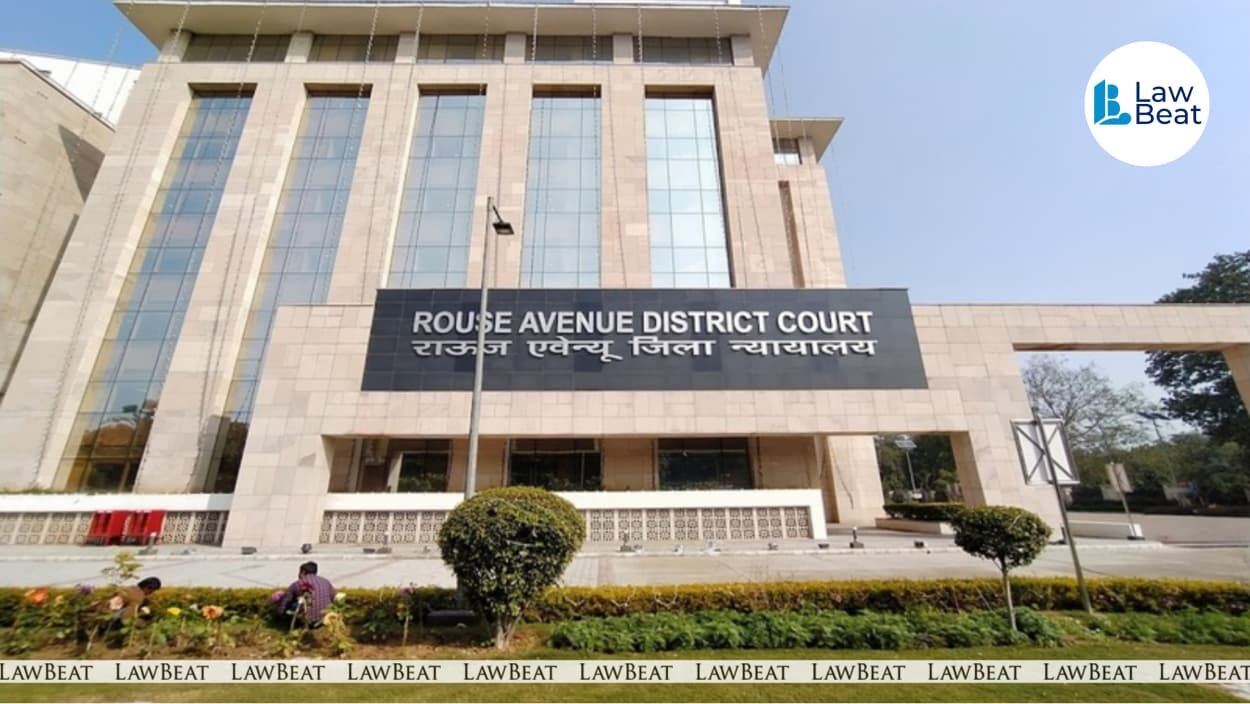
A Delhi court recently dismissed a criminal defamation complaint filed by Delhi Minister Parvesh Sahib Singh against Delhi government minister and Aam Aadmi Party (AAP) leader Saurabh Bharadwaj, asserting that questioning governmental actions does not constitute defamation. The ruling, delivered by Additional Chief Judicial Magistrate (ACJM) Neha Mittal of the Rouse Avenue Courts, underscored the fundamental right of public representatives and citizens to scrutinize those in power. This decision sets a significant precedent for political discourse in India, particularly regarding the threshold for criminal defamation when criticism is directed at public bodies and officials.
The complaint originated from social media posts and videos shared by Saurabh Bharadwaj in May, which raised several pertinent questions. These included inquiries into the alleged appointment of Amarjit Singh Baboo as a trustee of the SS Mota Singh School trust, the disappearance of a related trust file, and the government's handling of a Protection of Children from Sexual Offences (POCSO) case involving a three-year-old girl. The court meticulously reviewed these posts, concluding that they represented legitimate criticism of the government's functioning and alleged "lackadaisical attitude," rather than defamatory imputations against the Minister personally.
Legal Precedent for Political Scrutiny
ACJM Neha Mittal's ruling highlighted that merely posing questions to a public representative, especially concerning law and order or other public matters, cannot be construed as defamation. The court emphasized that politicians operating within a democratic framework must be prepared to encounter criticism. It cautioned that to treat such questioning as defamation would usher in "a dark spell in the era of democracy," thereby stifling essential public discourse. This stance reinforces the principle that both the press and the general public possess an inherent right to question the government, and elected officials are expected to be receptive to diverse viewpoints.
Crucially, the court articulated that the threshold for criminal defamation must be considerably higher when the discourse involves political personalities and parties. It recognized Saurabh Bharadwaj's role as an official spokesperson for the Aam Aadmi Party, acknowledging his public duty to challenge those in authority, identify shortcomings, critique governmental policies, and scrutinize actions. Such rigorous scrutiny, the court noted, serves as a vital safeguard against the potential for power misuse and authoritarian tendencies, ensuring accountability in governance. The court also observed that the information Bharadwaj relied upon in his posts was already accessible in the public domain, further weakening the basis for the defamation complaint.
Litigant's Conduct Under Scrutiny
Beyond the merits of the defamation claim, the court also cast a critical eye on the conduct of the complainant, Minister Parvesh Sahib Singh. The magistrate observed that the Minister had approached the court with "unclean hands," a legal doctrine that bars relief to a party whose own conduct is unethical or dishonest. This finding stemmed from social media posts indicating that the Minister had known Amarjit Singh Baboo since his college days, directly contradicting his assertion of having no association with Baboo.
This discrepancy was pivotal in the court's decision, as it undermined the Minister's credibility and the integrity of his complaint. The court issued a stern admonition, stating that "a litigant who attempts to pollute the stream of justice or who touches the pure foundation of justice with tainted hands is not entitled to any relief." It further stressed that no litigant should be permitted to exploit the judicial process by filing frivolous petitions. Ultimately, the court found insufficient grounds to proceed with the defamation complaint, reinforcing the principle that the justice system should not be used as a tool to silence legitimate political criticism or to settle personal scores under false pretenses.
Practical Implications
This ruling establishes a higher threshold for criminal defamation in India, particularly concerning criticism of government officials and actions by public representatives. Lawyers advising clients on political commentary, public statements, or media engagement should note this precedent, which reinforces the right to scrutinize those in power without automatically incurring defamation liability, and also highlights the court's stance on litigants approaching with 'unclean hands'.
Source
How does this affect you?
Get an AI analysis of this article grounded in your jurisdictions, practice areas, and any policy documents you've uploaded to Wansom.
Finish Reading the Full Story and the Expert Analysis.
Get the latest legal & regulatory intelligence in India
Wansom is AI and can make mistakes.