
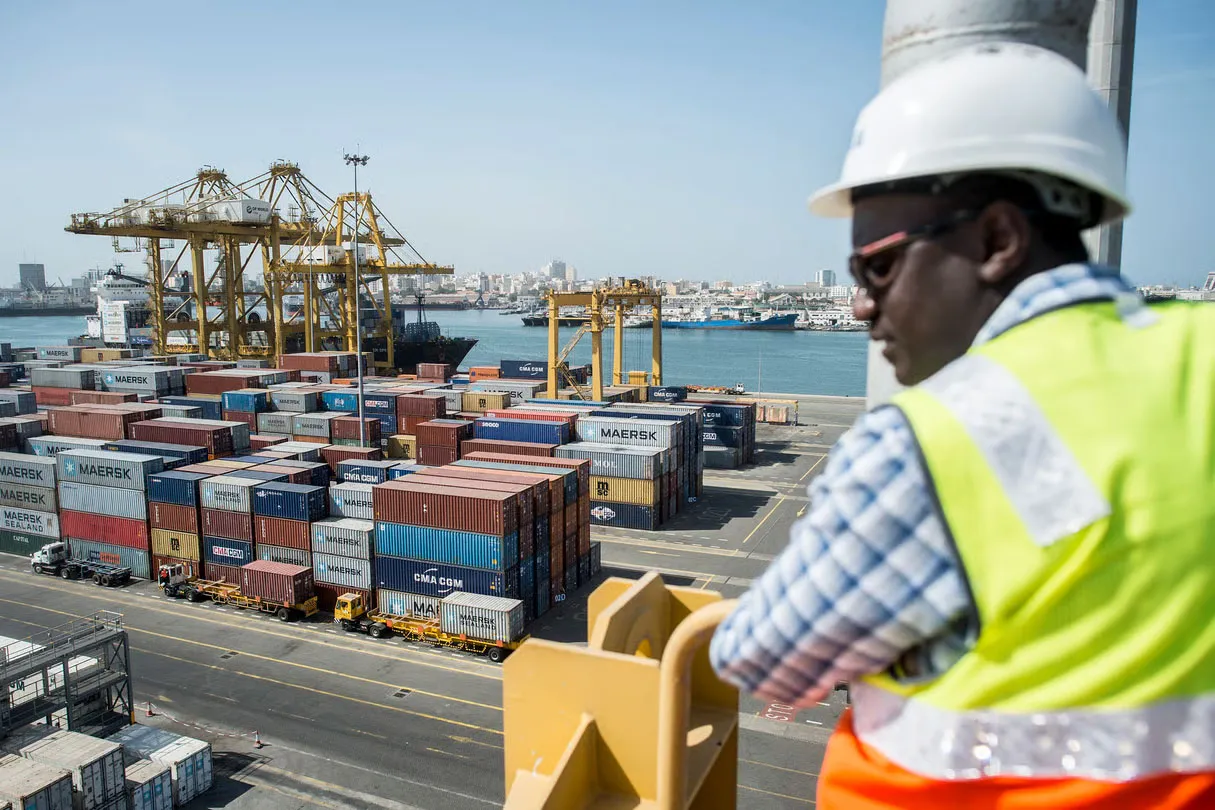
Dakar Port: 41% des Compagnies Maritimes Signalent des Amendes Élevées
Summary
- The Maritime Anti-Corruption Network (MACN) reported that 41% of companies surveyed at Dakar port faced fines exceeding $20,000.
- An independent survey also indicated that 35% of maritime companies are reluctant to continue operations in Senegal due to procedural issues.
- Operational uncertainties have led some shipping firms to introduce a "Special Dakar Clause" in their contracts.
- MACN's country representative, Mame Adama Guèye, called for dialogue to establish predictable and transparent port procedures.
- Guèye warned that user dissatisfaction at Dakar port could hinder the profitability and client acquisition for future ports like Ndayane and Sendou.
What Happened
Specifically, an independent survey conducted by MACN revealed that au port de Dakar, 41 % des compagnies maritimes signalent des amendes élevées, with penalties exceeding $20,000, which substantially inflate their operational expenditures.
The Maritime Anti-Corruption Network (MACN), a global coalition of over 220 businesses, recently unveiled critical findings regarding operational challenges at Senegalese ports. During a forum focused on enhancing efficiency and integrity within these crucial maritime gateways, an independent survey conducted by MACN revealed significant financial burdens on shipping companies. Specifically, au port de Dakar, 41 % des compagnies maritimes signalent des amendes élevées, with penalties exceeding $20,000, which substantially inflate their operational expenditures.
Further insights from the survey, also reported by Lesoleil, indicate a notable reluctance among a considerable portion of operators. Approximately 35% of the companies questioned expressed reservations about continuing their activities in Senegal. These companies consistently highlighted that greater predictability and enhanced transparency in port procedures would significantly improve their overall experience and operational viability. The persistent uncertainties surrounding costs stemming from operational inefficiencies have even led some maritime firms to implement a specific "Special Dakar Clause" in their agreements, reflecting the perceived risks.
Addressing Systemic Issues
Mame Adama Guèye, who serves as the country representative for MACN, has strongly advocated for a collaborative approach to resolve these systemic issues. He urged for a constructive dialogue between the Senegalese state and various stakeholders to establish operational procedures that are both consensual and characterized by predictability and transparency. This initiative, he emphasized, should also aim to safeguard the optimization of tax revenues for the nation.
Guèye pointed to Nigeria as a successful precedent, where the implementation of standardized and harmonized operational procedures has reportedly garnered positive recognition from the international maritime community. The MACN has affirmed its readiness to collaborate with Senegalese authorities and other industry participants, offering its expertise to develop solutions grounded in established international best practices.
Future Competitiveness
The current dissatisfaction among users of the Port of Dakar carries significant implications for Senegal's future maritime ambitions, particularly concerning the upcoming ports of Ndayane and Sendou. Mame Adama Guèye cautioned that a failure to address these concerns could impede efforts to retain existing clientele and attract new customers, which are essential for the profitability and success of these new infrastructures. He underscored the necessity of securing new operators in an increasingly competitive global shipping landscape.
Guèye further suggested that any positive outcomes achieved through collective actions and reforms at the Port of Dakar could serve as a valuable blueprint for the operations of the Sendou and Ndayane ports once they become operational. He concluded by calling upon Senegal to align its port operations with international benchmarks for efficiency, integrity, and transparency, thereby bolstering the overall competitiveness of its vital maritime sector.
Source
How does this affect you?
Get an AI analysis of this article grounded in your jurisdictions, practice areas, and any policy documents you've uploaded to Wansom.
Finish Reading the Full Story and the Expert Analysis.
Get the latest legal & regulatory intelligence in Senegal
Wansom is AI and can make mistakes.