
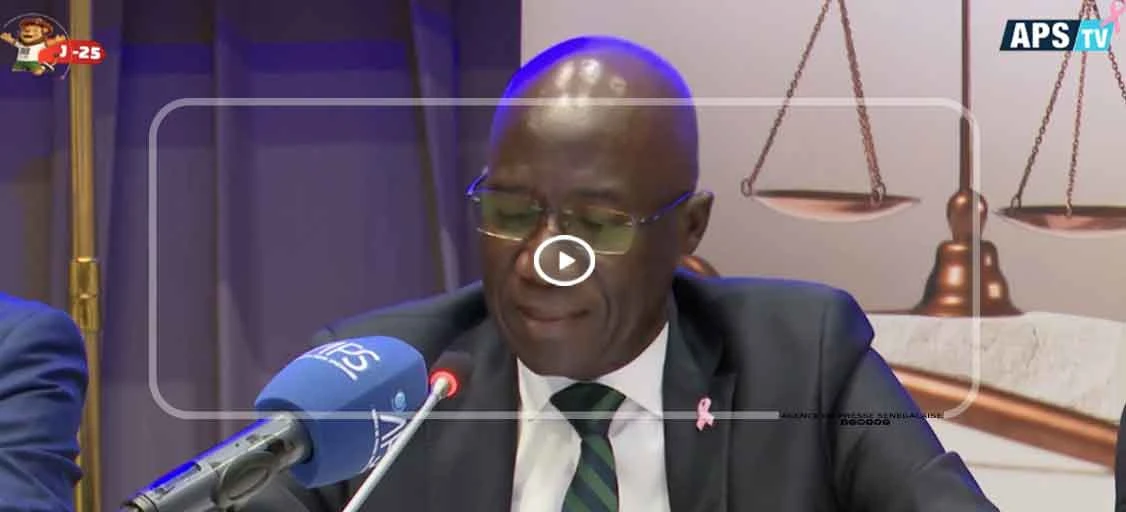
Dakar Terrorism Battlefield Evidence Workshop: Strengthening West Africa Justice
Summary
- A regional workshop focused on the judicial exploitation of battlefield evidence in terrorism cases recently opened in Dakar.
- The event was organized by the International Institute for Justice and the Rule of Law (IIJ) in collaboration with the Judicial Training Center.
- Experts and delegations from 14 West African countries are participating in the workshop.
- The initiative aims to enhance the management and use of evidence collected from operational zones in legal proceedings.
- The workshop is considered central to strengthening the judicial response to terrorism across the West African region.
Enhancing Judicial Response to Terrorism in West Africa
The judicial exploitation of such evidence is deemed central to successful prosecutions and upholding the rule of law in the face of evolving security threats.
A significant regional workshop recently commenced in Dakar, focusing on the critical issue of managing and judicially exploiting evidence gathered from operational zones. This specialized training and discussion platform underscores a concerted effort to bolster the judicial response to terrorism across West Africa, recognizing the unique challenges posed by evidence originating from conflict environments.
The gathering in Senegal's capital highlights the growing imperative for legal systems in the region to effectively process and utilize complex information collected during counter-terrorism operations. The judicial exploitation of such evidence is deemed central to successful prosecutions and upholding the rule of law in the face of evolving security threats. This initiative aims to bridge the gap between military intelligence gathering and civilian legal processes, ensuring that crucial information can withstand judicial scrutiny.
This Dakar terrorism battlefield evidence workshop brings together key stakeholders to address the intricacies involved in transforming raw intelligence and physical evidence from active operational areas into admissible and compelling proof in court. The discussions are designed to foster a more robust and harmonized approach to counter-terrorism justice, acknowledging that effective legal responses are as vital as security operations in combating extremist groups.
Collaborative Efforts and Broad Participation
The regional workshop, which opened on a Tuesday, is a collaborative undertaking spearheaded by the International Institute for Justice and the Rule of Law (IIJ). The IIJ, known for its commitment to strengthening justice systems globally, organized this event in partnership with the Judicial Training Center, signaling a joint commitment to practical legal capacity building in the region.
This important forum has drawn a wide array of participants, including experts and official delegations from 14 distinct West African countries. Their presence underscores the shared regional challenge of terrorism and the collective desire to enhance judicial capabilities. The diverse representation ensures that the insights and strategies discussed are relevant and adaptable across various national legal contexts within West Africa, fostering a unified front against terrorism.
The participation of numerous nations and specialized experts in the IIJ Dakar workshop battlefield evidence discussions reflects a strategic regional approach. By bringing together practitioners and policymakers, the workshop facilitates the exchange of best practices and the development of common standards for the judicial exploitation of operational zone evidence, which is crucial for cross-border cooperation in counter-terrorism efforts.
The Strategic Importance of Battlefield Evidence
The focus on evidence from operational zones is paramount because such material often presents unique legal and logistical challenges. Unlike traditional criminal evidence, battlefield evidence may be collected under duress, in non-permissive environments, or by non-law enforcement personnel, raising questions about its chain of custody, integrity, and admissibility. The workshop aims to address these complexities head-on, ensuring that justice systems can effectively leverage this vital information without compromising due process.
Effective judicial exploitation operational zone evidence is not merely about securing convictions; it is also about understanding the networks, financing, and methodologies of terrorist organizations. By properly processing and analyzing this evidence, judicial bodies can contribute to a broader intelligence picture, informing policy decisions and preventing future attacks. This makes the workshop a critical component of a comprehensive counter-terrorism strategy that extends beyond immediate security responses.
Ultimately, the ability of West African nations to effectively manage and utilize battlefield evidence in their courts directly impacts their capacity to dismantle terrorist networks and hold perpetrators accountable. This workshop represents a proactive step towards equipping legal professionals with the necessary tools and knowledge to navigate these complex evidentiary landscapes, thereby strengthening the rule of law in regions frequently targeted by extremist violence.
Shaping Future Legal Frameworks
The outcomes of this regional workshop are poised to significantly influence the future trajectory of counter-terrorism legal frameworks across West Africa. By fostering a common understanding and potentially harmonized approaches to battlefield evidence, the initiative could lead to more standardized prosecution strategies and more predictable defense challenges in terrorism cases. This standardization is vital for regional legal cooperation, especially when dealing with transnational terrorist activities.
Discussions around the judicial handling of evidence from operational zones are critical for refining existing legal instruments and developing new protocols that are robust and adaptable. The insights gained and shared among the 14 participating nations are expected to contribute to the evolution of national and regional counter-terrorism policies, ensuring they remain effective and compliant with international legal standards. This collaborative effort in Dakar is a foundational step towards building more resilient and effective justice systems capable of addressing the unique demands of terrorism prosecutions.
This gathering in Dakar, therefore, serves as a crucial forum for advancing the Senegal counter-terrorism legal framework, as well as those of its regional partners. By focusing on the practical aspects of evidence management and exploitation, the workshop is directly contributing to the long-term sustainability and credibility of judicial responses to terrorism, ultimately enhancing regional security and stability.
Practical Implications
Lawyers and compliance officers in West Africa should monitor the outcomes of this regional workshop, as it signals a concerted effort to standardize or refine the judicial handling of battlefield evidence in terrorism cases. This could impact future prosecution strategies, defense challenges, and regional legal cooperation frameworks.
Source
Source: Original reporting via APS
How does this affect you?
Get an AI analysis of this article grounded in your jurisdictions, practice areas, and any policy documents you've uploaded to Wansom.
Finish Reading the Full Story and the Expert Analysis.
Get the latest legal & regulatory intelligence in Senegal
Wansom is AI and can make mistakes.