
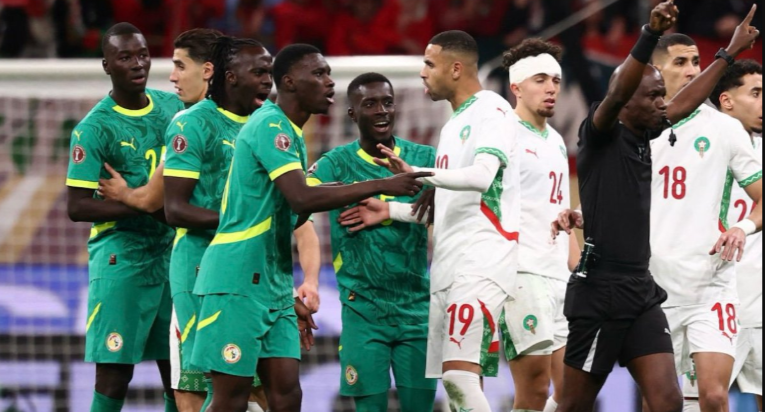
Senegal-Morocco TAS Case: Magistrate Clarifies October 8 Hearing, No Verdict
The Court of Arbitration for Sport (TAS/CAS) in Switzerland will not render a decision on October 8th in the "Sénégal-Maroc" case, as clarified by Magistrate Mamadou Yakham Keïta. Contrary to social media reports suggesting a verdict, Magistrate Keïta, in a publication detailing the arbitration procedure, specified that this date was instead allocated for the "audience au fond," or the substantive hearing on the merits of the case. The excerpt does not provide details regarding the specific nature of the dispute between Senegal and Morocco, nor does it identify the particular sport or entities involved beyond the two nations. The ultimate outcome of this matter is not reported in the provided information.
This clarification holds significant legal importance for practitioners and the public alike. It underscores the critical need for accurate information dissemination, particularly in high-profile international sports arbitration cases that often capture widespread public and media attention. For legal professionals, it serves as a crucial reminder of the distinct procedural stages within arbitration—differentiating between a substantive hearing where arguments and evidence are presented, and the subsequent rendering of a final decision. The intervention of a magistrate to correct public misinformation lends authoritative weight to the procedural explanation, emphasizing the formal and structured nature of proceedings before international arbitral bodies like the TAS. Misunderstandings of these processes can lead to premature speculation and mismanaged expectations among stakeholders.
The legal context for this matter is the Tribunal Arbitral du Sport (TAS), known internationally as the Court of Arbitration for Sport (CAS), an independent institution based in Lausanne, Switzerland. The TAS is globally recognized for resolving sports-related legal disputes through arbitration and mediation, with its jurisdiction accepted by most international sports federations, including the International Olympic Committee. Decisions rendered by the TAS are generally final and binding, with very limited avenues for appeal to the Swiss Federal Tribunal, primarily on procedural grounds. The "audience au fond" is a pivotal stage in arbitration where the arbitral panel hears oral arguments, examines evidence, and questions witnesses to establish the facts and apply the relevant sports law and regulations. The procedural rules governing such hearings are meticulously outlined in the Code of Sports-related Arbitration, which dictates the conduct of proceedings from initiation to award. The key parties involved are the TAS as the adjudicating body, Magistrate Mamadou Yakham Keïta as the clarifying legal expert, and the nations of Senegal and Morocco, presumably represented by their respective national sports federations or Olympic committees, as the disputing parties.
For attorneys advising sports federations, national Olympic committees, athletes, or other entities engaged in international sports disputes, this development highlights several key takeaways. Firstly, it is imperative to maintain precise communication regarding procedural timelines and to clearly distinguish between various stages of arbitration, such as hearings and final awards, when managing client and public expectations. Practitioners must proactively counter misinformation by relying solely on official communications from the arbitral body or verified legal experts. A thorough understanding of the Code of Sports-related Arbitration and the specific procedural nuances of the TAS is indispensable for effective representation in these often high-stakes cases. Furthermore, attorneys should advise clients on the importance of adhering strictly to procedural deadlines and requirements to avoid adverse outcomes. As the outcome of this specific matter is not yet reported, practitioners should continue to monitor official pronouncements from the TAS for any future developments.
How does this affect you?
Get an AI analysis of this article grounded in your jurisdictions, practice areas, and any policy documents you've uploaded to Wansom.
Finish Reading the Full Story and the Expert Analysis.
Get the latest legal & regulatory intelligence in Senegal
Wansom is AI and can make mistakes.