
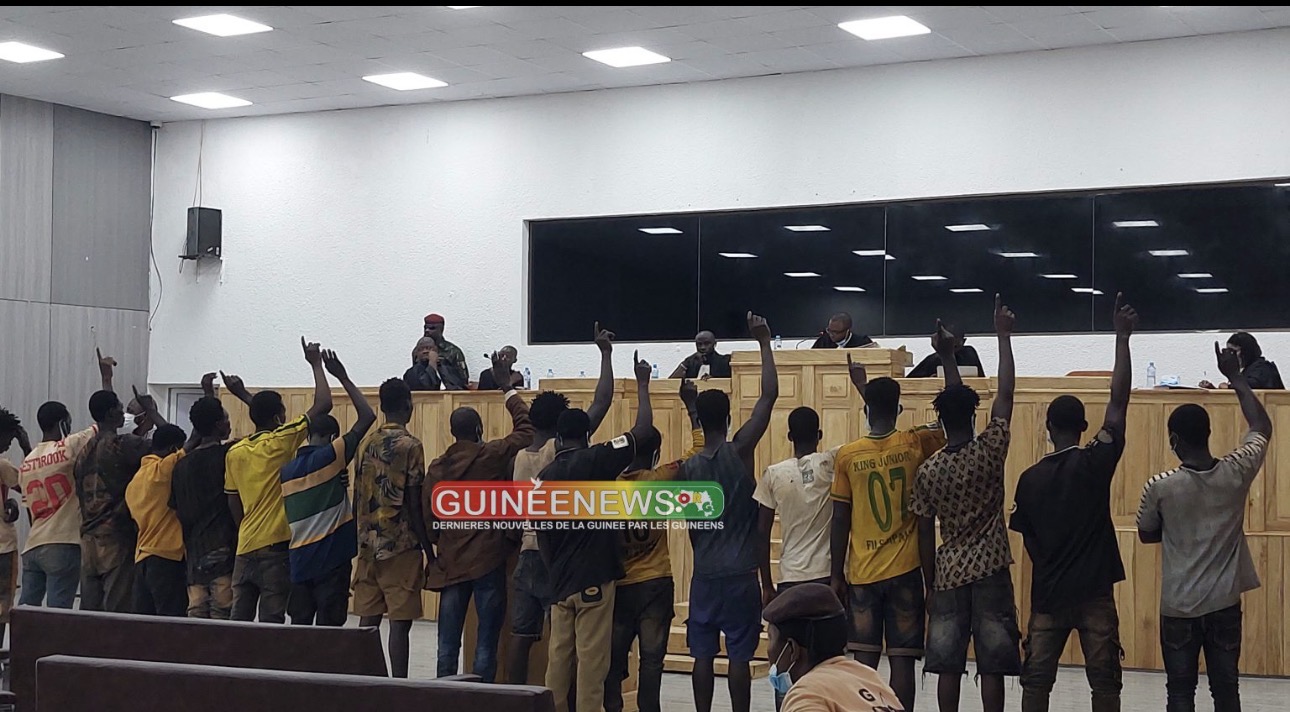
CRIEF: 479 Presidents Face Charges for Illegal Gold Panning in Guinea
Summary
- Guinea's Special Prosecutor Alphonse Charles Wright announced upcoming judicial proceedings.
- These proceedings will target 479 district and neighborhood presidents across Guinea.
- The officials are accused of involvement in illegal gold panning activities.
- The announcement followed a verdict in a case against former Siguiri administrators and foreign gold panners.
- This action signals a major push against illicit mining and local complicity in Guinea.
Judicial Action Targets Local Officials
The sheer scale of the targeted officials, encompassing both district and neighborhood presidents, highlights the systemic nature of the issue being addressed and the widespread impact of illicit mining practices.
Guinea's Special Prosecutor, Alphonse Charles Wright, who serves the Cour de répression des infractions économiques et financières (CRIEF), has officially declared that judicial proceedings have commenced against a substantial number of local leaders. This significant announcement indicates an ongoing legal offensive targeting precisely 479 district and neighborhood presidents throughout the nation. The core of these ongoing legal actions centers on their alleged involvement in illegal gold panning activities, signaling a robust push against illicit mining operations across Guinea and a clear intent to address corruption at the local administrative level.
The prosecutor's declaration was made shortly after the conclusion of a separate high-profile case, which recently saw a verdict delivered. This prior legal matter specifically concerned former territorial administrators from the Siguiri region, who were implicated alongside foreign gold panners in illegal activities. The timing of Prosecutor Wright's statement, following this precedent-setting verdict, suggests a continuous and escalating effort by the CRIEF to address corruption and economic crimes, particularly those linked to the exploitation of the nation's valuable natural resources. This move underscores a broader governmental strategy to enforce stricter compliance within the mining sector.
Intensified Fight Against Illicit Mining
The ongoing judicial proceedings against nearly 500 local officials underscore a heightened commitment by the Guinean authorities to combat orpaillage clandestin Guinée, or clandestine gold panning. This decisive move by the CRIEF, under the leadership of Special Prosecutor Alphonse Charles Wright, demonstrates a clear intent to hold local authorities accountable for their roles, whether through direct involvement or negligence, in preventing illegal mining within their respective jurisdictions. The sheer scale of the targeted officials, encompassing both district and neighborhood presidents, highlights the systemic nature of the issue being addressed and the widespread impact of illicit mining practices.
This development is particularly relevant for understanding Guinea's broader strategy in the Guinée lutte orpaillage illégal, which aims to bring order and legality to its lucrative but often chaotic mining sector. By pursuing a comprehensive procédure judiciaire présidents district, the government is sending an unequivocal message that complicity or passive allowance of illegal gold panning will face severe legal repercussions. The concentrated focus on local governance figures suggests a recognition that effective enforcement against illicit mining requires not only targeting the direct perpetrators but also addressing potential enablers and beneficiaries at the community and administrative levels. This approach seeks to dismantle the support structures that allow illegal operations to thrive.
Implications for Governance and Accountability
The decision by the Special Prosecutor to initiate legal action against such a large contingent of local leaders carries profound implications for governance and accountability within Guinea. It ushers in a period of increased scrutiny for all those holding positions of local power, particularly in regions known for their rich mineral deposits and susceptibility to resource extraction. The CRIEF's specific mandate to prosecute economic and financial infractions positions it as a pivotal institution in ensuring transparency, legality, and ethical conduct across the nation's economic activities, especially concerning its natural wealth.
This aggressive stance against CRIEF presidents illegal gold panning Guinea could serve as a powerful deterrent for future illicit activities and foster greater adherence to established mining regulations and environmental protection laws. The previous case involving Siguiri orpailleurs étrangers and former administrators sets a significant precedent for the types of individuals and activities that the CRIEF is prepared to pursue with full legal force. The current action against 479 presidents further solidifies the government's unwavering resolve to clean up the mining sector, enforce the rule of law at all administrative levels, and ultimately protect Guinea's economic interests and natural heritage from exploitation.
Practical Implications
Lawyers advising local officials or mining entities in Guinea should note the imminent judicial proceedings against nearly 500 district and neighborhood presidents for illegal gold panning. This signals a heightened enforcement risk and potential liability for local complicity in illicit mining activities, requiring immediate review of compliance protocols and local engagement strategies.
Source
How does this affect you?
Get an AI analysis of this article grounded in your jurisdictions, practice areas, and any policy documents you've uploaded to Wansom.
Finish Reading the Full Story and the Expert Analysis.
Get the latest legal & regulatory intelligence in Guinea
Wansom is AI and can make mistakes.