
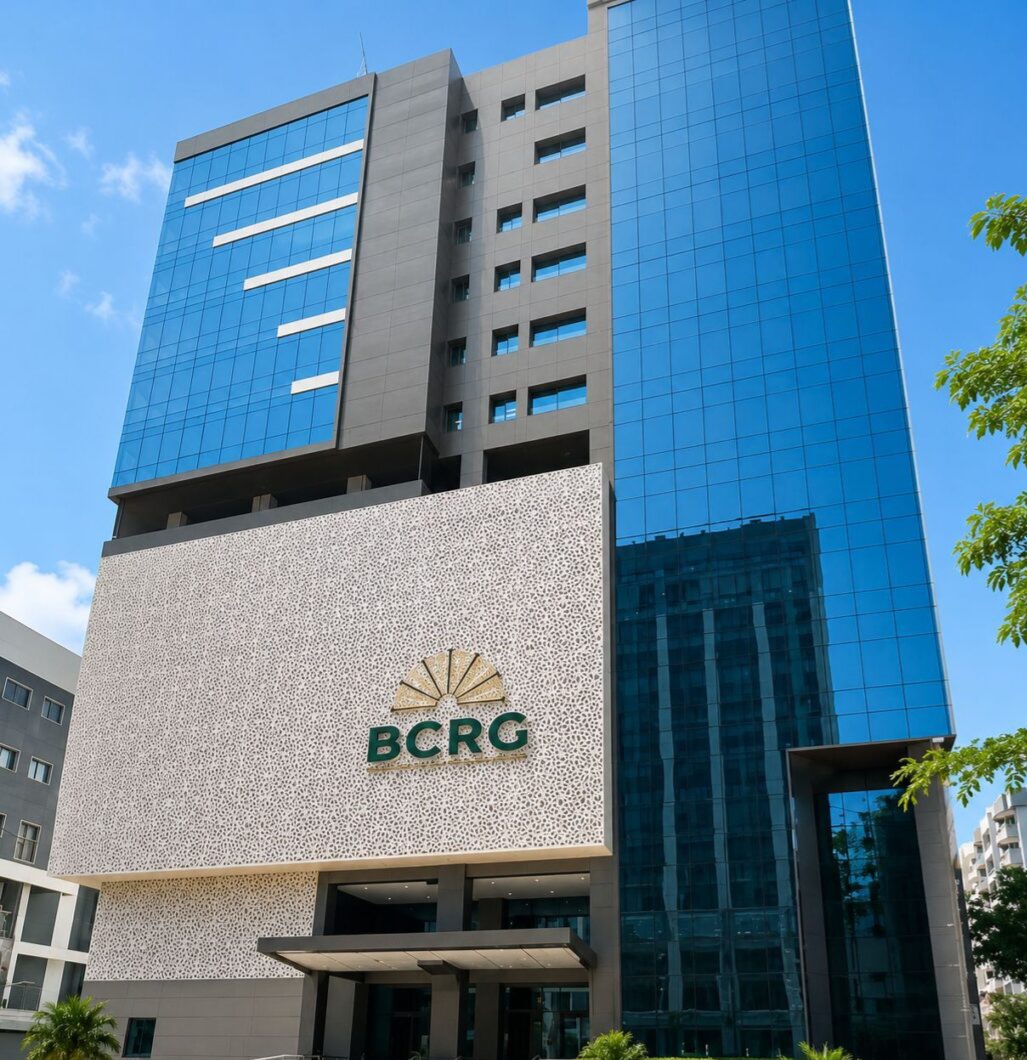
CRIEF Guinea: Summons Issued in 3 Tonnes Gold Affair at BCRG
Summary
- The Court for the Repression of Economic and Financial Offenses (CRIEF) convened on November 4, 2026, regarding alleged gold embezzlement.
- The case involves the alleged misappropriation of 3 tonnes and 135 kilograms of gold from the Central Bank of the Republic of Guinea (BCRG).
- The CRIEF has summoned the current governor of the BCRG and former official Abdoulaye Yéro Baldé to appear.
- This high-profile case highlights the CRIEF's ongoing efforts to combat economic and financial crimes in Guinea.
Court Proceedings Unfold
The proceedings are being closely watched as they could set important precedents for accountability in the West African nation, potentially influencing future compliance frameworks for entities operating within Guinea.
The Court for the Repression of Economic and Financial Offenses (CRIEF) in Guinea recently convened its Judgment Chamber to address a high-profile case involving alleged gold embezzlement. On Wednesday, November 4, 2026, the proceedings focused on accusations of misappropriation from the Central Bank of the Republic of Guinea (BCRG). This session marks a significant development in the ongoing legal battle surrounding the substantial quantity of precious metal, drawing attention to the nation's efforts to combat financial crime.
During the recent hearing, the CRIEF issued summonses for key individuals implicated in the matter. Among those called to appear before the court are the current governor of the BCRG and Abdoulaye Yéro Baldé, identified as a former official. Their presence is deemed crucial as the court seeks to unravel the complexities of the alleged financial misconduct that has drawn considerable public and legal attention. The judicial body, known for its stringent focus on combating serious economic and financial crimes, is pressing forward with its investigation into the matter, signaling a firm stance against corruption.
Allegations of Gold Embezzlement
The core of the legal dispute centers on the alleged disappearance of a significant amount of gold from the nation's central financial institution. Specifically, the accusations detail the embezzlement of 3 tonnes and 135 kilograms of gold from the Central Bank of the Republic of Guinea. This substantial quantity underscores the gravity of the allegations, which point to a major breach of financial trust and security within the country's monetary system. The "3 tonnes gold affair BCRG Guinea" has become a focal point for anti-corruption efforts, highlighting the scale of the alleged malfeasance.
Such a large-scale alleged misappropriation from the BCRG raises serious questions about internal controls and oversight mechanisms within the country's financial infrastructure. The "Guinée Banque Centrale or" case highlights the vulnerability of even high-level financial institutions to illicit activities, potentially impacting national economic stability. The ongoing investigation by the CRIEF aims to establish accountability for the alleged actions and determine the full extent of the financial losses incurred by the state, with the involvement of both current and former high-ranking officials suggesting a potentially deep-rooted issue within the institution.
CRIEF's Mandate and Impact
The Court for the Repression of Economic and Financial Offenses (CRIEF) plays a critical role in Guinea's fight against corruption and financial malfeasance. Its mandate specifically targets serious economic crimes, positioning it as a key institution for upholding financial integrity and good governance across the nation. The "Economic and Financial Crimes Court Guinea" has been actively pursuing cases that involve significant public funds and high-ranking officials, signaling a strong commitment to judicial oversight and the rule of law.
The summons issued to Abdoulaye Yéro Baldé and the current governor in connection with the "BCRG gold embezzlement case" exemplifies the CRIEF's assertive approach to accountability. This particular case, often referred to as the "Affaire 3 tonnes d'or Guinée," underscores the court's willingness to investigate and prosecute individuals regardless of their past or present positions of power, reinforcing the principle that no one is above the law. The proceedings are being closely watched as they could set important precedents for accountability in the West African nation, potentially influencing future compliance frameworks for entities operating within Guinea.
Practical Implications
This high-profile embezzlement case involving the Central Bank of the Republic of Guinea (BCRG) and prominent figures underscores the ongoing focus of the CRIEF on combating economic and financial crimes. Lawyers and compliance officers should monitor the proceedings for potential precedents regarding accountability for high-ranking officials and the enforcement of anti-corruption measures, which could influence compliance frameworks for entities operating within Guinea.
Source
How does this affect you?
Get an AI analysis of this article grounded in your jurisdictions, practice areas, and any policy documents you've uploaded to Wansom.
Wansom is AI and can make mistakes.