
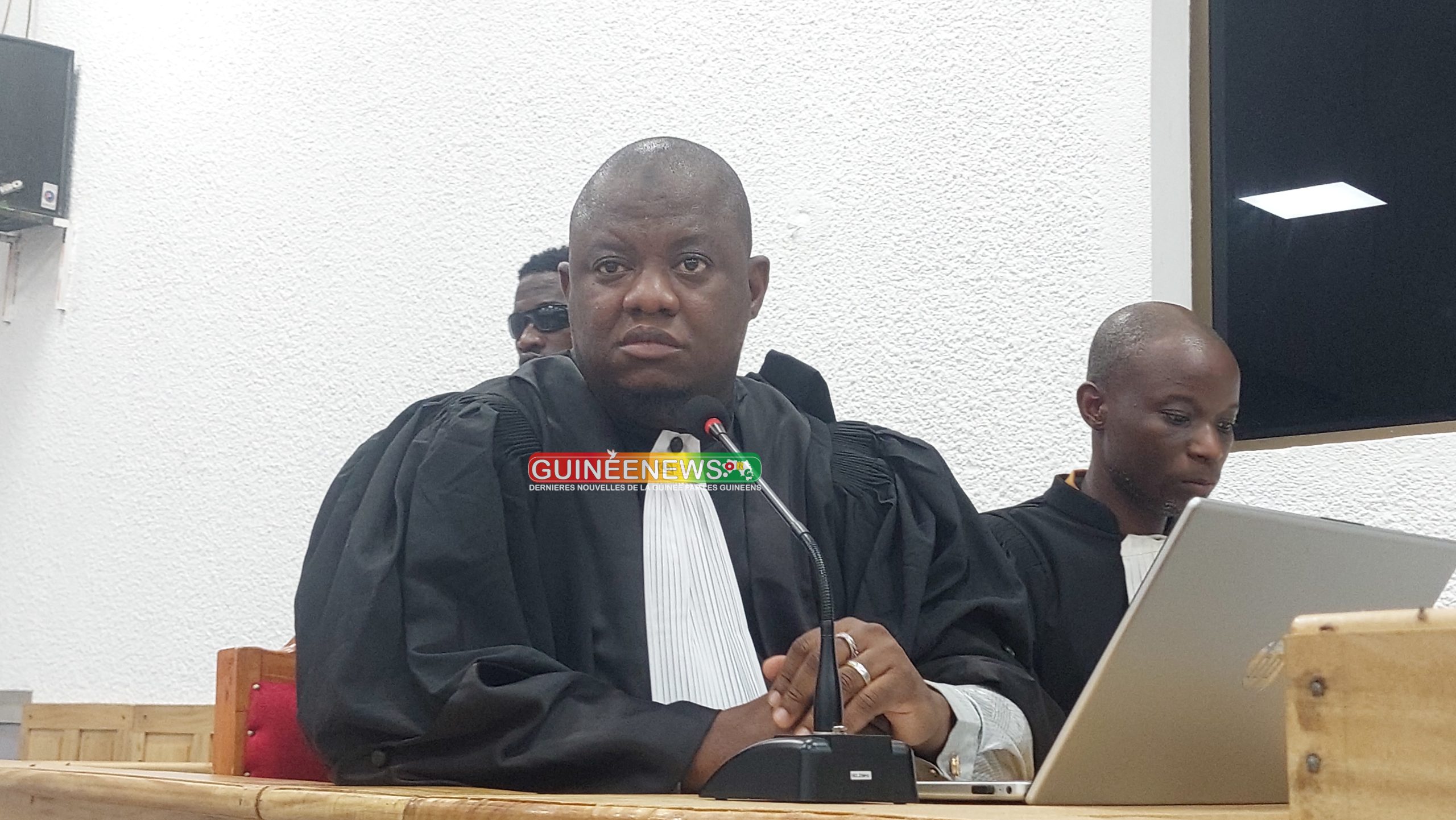
CRIEF Guinea: New Asset Recovery Strategy Prioritizes Restitution
Summary
- Alphonse Charles Wright, CRIEF's special prosecutor, announced a new anti-corruption strategy on November 12, 2026.
- The new approach prioritizes the recovery of state assets over the imprisonment of individuals.
- Wright stated that incarcerating 1,000 people without recovering state property would constitute a failure.
- This shift aims to focus on restitution and the tangible return of public funds in Guinea.
A New Direction for Anti-Corruption in Guinea
The special prosecutor explicitly stated that merely imprisoning a large number of individuals, even as many as a thousand, without simultaneously recovering the state's assets, would be considered a failure.
Alphonse Charles Wright, the special prosecutor for Guinea's Cour de répression des infractions économiques et financières (CRIEF), recently articulated a significant strategic shift in the nation's efforts to combat corruption and the embezzlement of public funds. Speaking during an interview with Télé 24 on Thursday, November 12, 2026, Wright outlined an approach that will now prioritize the recovery of state assets over simply incarcerating individuals. This new orientation signals a fundamental re-evaluation of what constitutes success in the fight against economic crimes within the country, moving beyond traditional punitive measures.
The special prosecutor explicitly stated that merely imprisoning a large number of individuals, even as many as a thousand, without simultaneously recovering the state's assets, would be considered a failure. This declaration underscores a clear intent to move beyond punitive measures alone, focusing instead on restitution and the tangible return of resources to the Guinean public. The CRIEF asset recovery strategy Guinea is now firmly centered on ensuring that ill-gotten gains are systematically identified and reclaimed, reflecting a more pragmatic and impactful approach to justice.
CRIEF's Evolving Mandate and Focus
The Cour de répression des infractions économiques et financières, known by its French acronym CRIEF, serves as a specialized judicial body in Guinea tasked with prosecuting economic offenses and financial misconduct. Its establishment was a critical step in the Guinée lutte corruption biens, aiming to address the pervasive issue of public fund misappropriation. This latest pronouncement from Alphonse Charles Wright, a key figure within CRIEF, indicates an evolution in how the court intends to fulfill its mandate, placing a renewed emphasis on the practical outcome of asset recovery and the restoration of public wealth.
This strategic adjustment reflects a recognition that effective anti-corruption measures must extend beyond penalizing offenders to actively reversing the financial damage inflicted upon the state. The focus on récupération biens mal acquis Guinée represents a more holistic approach, seeking not only to deter future misconduct but also to restore the public treasury. This shift is particularly relevant for cases involving détournement deniers publics Guinée, where the ultimate goal is to ensure that funds illegally diverted are returned to their rightful purpose, thereby strengthening the nation's financial integrity.
Broader Implications for Economic Justice and Governance
The emphasis on asset recovery by CRIEF carries substantial implications for economic justice and governance in Guinea. By prioritizing the return of state assets, the special prosecutor's office aims to demonstrate a tangible impact on the lives of citizens, moving beyond symbolic gestures to concrete financial restitution. This approach could significantly bolster public trust in anti-corruption institutions and provide much-needed resources for national development, directly addressing the consequences of past corruption.
This strategic pivot by Alphonse Charles Wright and CRIEF suggests a more aggressive and results-oriented stance against financial crime. It signals to those engaged in corruption that not only will they face legal consequences, but their illicit gains will also be systematically pursued and reclaimed. The success of this CRIEF asset recovery strategy Guinea will be measured not just by convictions, but by the volume of state property and funds successfully returned, marking a critical juncture in the nation's ongoing battle against corruption and setting a new precedent for accountability. This shift highlights a commitment to ensuring that justice is served not only through punishment but also through the restoration of what was unlawfully taken.
Practical Implications
Lawyers advising clients in Guinea on economic crimes must now prioritize strategies for asset recovery and restitution, as CRIEF's new orientation emphasizes the return of state assets over mere incarceration. Compliance officers should anticipate increased scrutiny on asset tracing and potential forfeiture actions, requiring robust internal controls and due diligence processes.
Source
How does this affect you?
Get an AI analysis of this article grounded in your jurisdictions, practice areas, and any policy documents you've uploaded to Wansom.
Finish Reading the Full Story and the Expert Analysis.
Get the latest legal & regulatory intelligence in Guinea
Wansom is AI and can make mistakes.