
CORD: Unveils CORD Rules 2.0 India Arbitration AI Guidelines
Summary
- The Centre for Online Resolution of Disputes (CORD) has launched CORD Rules 2.0, introducing a revised institutional arbitration framework for mid-value commercial disputes in India.
- The new rules feature a tiered fee structure for arbitrators, an opt-in appellate mechanism, and specific guidelines for the use of artificial intelligence in arbitral proceedings.
- CORD aims to resolve disputes within approximately six months through a digital-first approach, addressing concerns about cost, delays, and predictability.
- Justice Manmohan highlighted that mid-value commercial disputes are currently underserved in India's arbitration ecosystem, which largely focuses on high-value and high-volume cases.
- The framework also includes an Independent Appointments Council and cost consequences for missed procedural deadlines, aiming to strengthen institutional arbitration and enhance transparency.
New Framework for Mid-Value Disputes
The new rules incorporate several key innovations, including a tiered fee structure for arbitrators, an independent body for appointments, and an optional appellate mechanism.
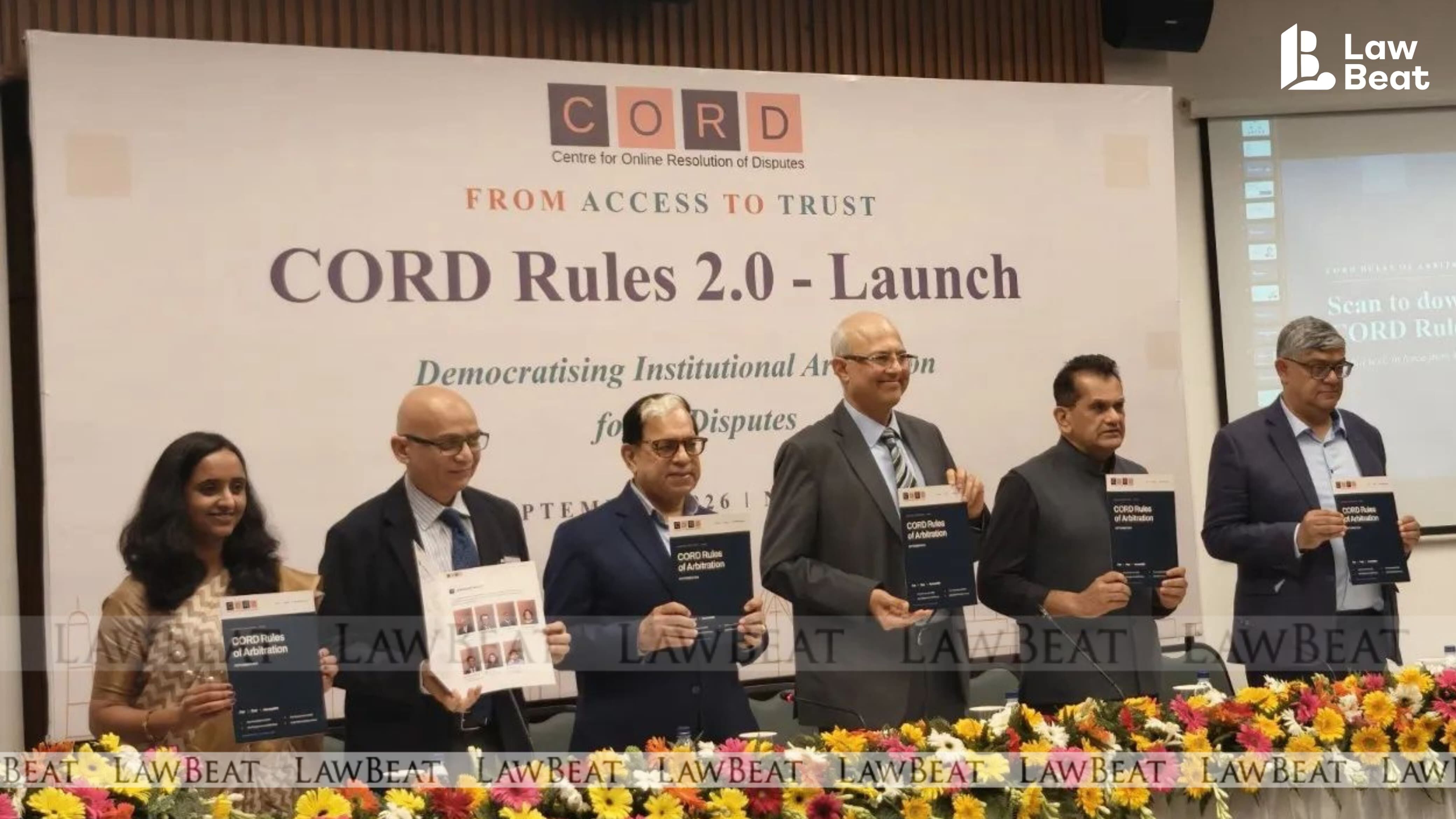
The Centre for Online Resolution of Disputes (CORD) has unveiled its CORD Rules 2.0, introducing a comprehensive institutional arbitration framework specifically designed to address common challenges in India's mid-value commercial disputes. This revised system aims to mitigate concerns regarding excessive costs, protracted delays, and a lack of predictability often associated with such cases. The new rules incorporate several key innovations, including a tiered fee structure for arbitrators, an independent body for appointments, and an optional appellate mechanism.
Further enhancements under CORD Rules 2.0 include provisions for cost consequences when procedural deadlines are missed, alongside explicit guidelines governing the application of artificial intelligence within arbitral proceedings. The institution emphasizes a digital-first approach to its administration, with an ambitious target of resolving disputes within approximately six months. The launch event for these new India mid-value commercial arbitration rules took place in New Delhi, drawing a distinguished panel of legal and policy figures, including Justice (Retd.) A.K. Sikri, Justice Manmohan, Justice (Retd.) Rajiv Shakdher, former NITI Aayog CEO Amitabh Kant, Avnit Singh Arora, Gourab Banerji, Vijaya Sampath, and Jyothi V.K.
Addressing a Critical Gap in Arbitration
During the launch, Justice Manmohan highlighted a significant void within India's commercial arbitration landscape. He observed that the existing arbitration ecosystem predominantly caters to two extremes: high-value disputes involving major corporations and high-volume cases originating from the banking and financial services sectors. This leaves mid-value commercial disputes largely underserved, lacking adequate institutional attention and structured resolution pathways.
Justice Manmohan underscored the broader issue of India's judicial capacity, noting approximately 21 judges per million people. He stressed the imperative of strengthening alternative dispute resolution (ADR) mechanisms and institutional arbitration to alleviate pressure on the traditional court system. He articulated that well-established arbitral institutions offer parties crucial benefits such as clear procedural frameworks, robust administrative support, and the ability to identify and rectify defective arbitration clauses or procedural issues at an early stage. He concluded by stating that providing such access effectively democratizes arbitration.
Technology's Evolving Role and Oversight
Justice (Retd.) A.K. Sikri, who previously chaired the NITI Aayog committee on Online Dispute Resolution (ODR), reflected on the rapid evolution of India's ODR ecosystem, particularly accelerated during the COVID-19 pandemic. He clarified that ODR was conceived as a strategic policy intervention rather than merely a pilot initiative, especially for managing high-volume, lower-value disputes. Justice Sikri also pointed to the increasing integration of technology in dispute resolution, noting that Indian dispute-resolution technologies are gaining international traction, with adoption by institutions and courts in jurisdictions like Singapore and Hong Kong.
Former NITI Aayog CEO Amitabh Kant further emphasized that India's proactive adoption of technology-enabled dispute resolution presents a unique opportunity to cultivate institutions capable of meeting global standards. He specifically highlighted the critical importance of ensuring both transparency and human oversight when artificial intelligence is employed in dispute resolution processes. These considerations are particularly relevant for the AI in arbitration India guidelines embedded within the new CORD Rules 2.0.
Key Provisions of CORD Rules 2.0
A central feature of the CORD Rules 2.0 is its innovative tiered arbitration fees India CORD structure. Arbitrator fees will now range from 60% to 140% of the rates stipulated in the Fourth Schedule of the Arbitration and Conciliation Act, 1996. The specific percentage applied will depend on the nature and complexity of the dispute, aiming for a more equitable and predictable cost model. This move is expected to make arbitration more accessible and cost-effective for mid-value commercial disputes.
Beyond fees, the framework establishes an Independent Appointments Council, designed to enhance impartiality and expertise in arbitrator selection. Crucially, the CORD Rules 2.0 appellate mechanism offers parties an opt-in avenue for review, providing an additional layer of scrutiny and potentially increasing confidence in the outcomes. These provisions, alongside the specific CORD Rules 2.0 India arbitration AI guidelines, represent a significant step towards a more structured, transparent, and technologically advanced dispute resolution environment in India.
Practical Implications
Lawyers and compliance officers handling mid-value commercial disputes in India should familiarize themselves with CORD Rules 2.0, as it introduces a revised institutional arbitration framework with tiered fees, an appellate mechanism, and specific guidelines for AI use, potentially offering a more predictable and cost-effective resolution pathway. This development impacts strategy for dispute resolution and understanding the evolving role of technology in arbitration.
Source
How does this affect you?
Get an AI analysis of this article grounded in your jurisdictions, practice areas, and any policy documents you've uploaded to Wansom.
Finish Reading the Full Story and the Expert Analysis.
Wansom is AI and can make mistakes.