
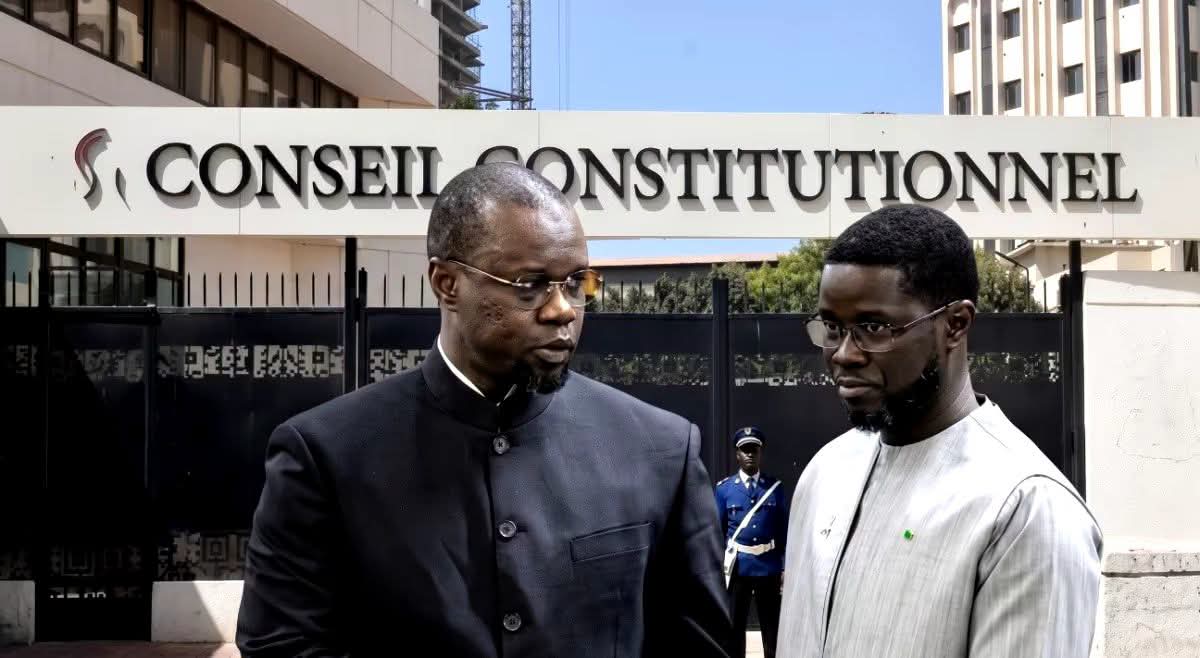
Constitutional Council Censors Automatic Disqualification of MPs
The Senegalese Constitutional Council, in a decision rendered on September 7, 2026, censured a provision within the proposed reform of Article 118 of the National Assembly's Internal Regulations that would have allowed for the forfeiture of a parliamentary mandate due to ten consecutive absences from plenary sessions.
This ruling came after the President of the Republic seized the Council on August 27, 2026, to review the reform. The Council validated the regularity of the referral and the procedure by which the reform was adopted. However, it explicitly rejected the measure sanctioning repeated absences, stating that the loss of a deputy's mandate cannot be instituted solely by the National Assembly's Internal Regulations. The Council emphasized that the Constitution exclusively defines the grounds for mandate forfeiture, citing examples such as resignation from a party or a final criminal conviction. Consequently, the creation of a new ground for forfeiture through internal regulations was deemed unconstitutional. Passages referring to automatic resignation or forfeiture were also censured. While other provisions of the organic law were declared constitutional, a reservation was noted concerning rules applicable to deputies elected abroad.
This decision holds significant legal implications for practitioners, as it firmly establishes the principle of constitutional supremacy over parliamentary self-regulation regarding the fundamental status of elected officials. It clarifies that the National Assembly's power to discipline its members, particularly through the ultimate sanction of mandate forfeiture, is strictly circumscribed by the Constitution. This ruling ensures greater stability for elected mandates and prevents the legislative body from unilaterally altering the conditions of office through its internal rules, thereby reinforcing the rule of law and the integrity of the electoral process.
The legal context for this matter is rooted in the Senegalese Constitution, which outlines the powers of the National Assembly and the conditions for holding parliamentary office. Organic laws (lois organiques), which modify internal regulations, are subject to mandatory constitutional review by the Constitutional Council (Conseil constitutionnel). The Council, as the guardian of the Constitution, ensures that such laws do not infringe upon constitutional provisions. The key parties involved were the Constitutional Council, the President of the Republic who initiated the review, and the National Assembly, which had adopted the reform. Youngare Dione is mentioned as having presented a report on the law.
Attorneys advising on constitutional law, parliamentary procedures, or electoral disputes should take note that any legislative or regulatory attempt to introduce new grounds for the forfeiture of an elected mandate in Senegal will likely face constitutional challenge and be deemed invalid unless explicitly provided for in the Constitution itself. This decision underscores the critical importance of adhering to the constitutional framework when drafting or amending laws that affect the status and tenure of elected representatives.
How does this affect you?
Get an AI analysis of this article grounded in your jurisdictions, practice areas, and any policy documents you've uploaded to Wansom.
Finish Reading the Full Story and the Expert Analysis.
Wansom is AI and can make mistakes.