
Sénégal: Civil Nuclear NEPIO Committee Established for Power Program
Summary
- Senegal is preparing for its first civil nuclear power plant, establishing a Strategic Committee and a NEPIO on September 7, 2026.
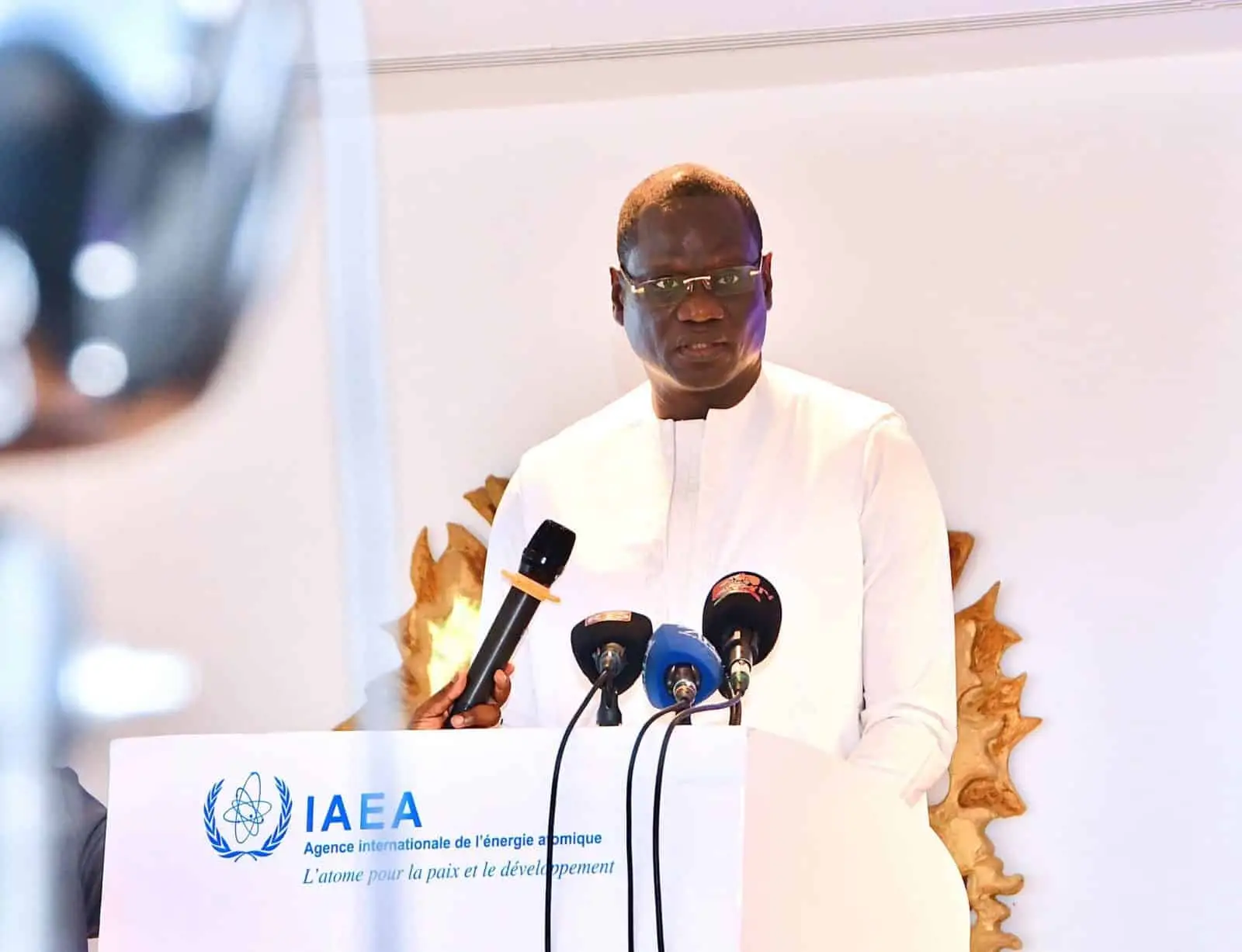
- Dr. El Hadji Abdourahmane Diouf, Minister of Energy and Petroleum, presided over the workshop creating these bodies.
- The NEPIO will coordinate the electronuclear program, following the International Atomic Energy Agency's step-by-step approach.
- The government aims for a safe, sovereign, and controlled civil nuclear program to complement, not replace, gas and renewables.
- These new structures mark a critical phase of institutional, regulatory, and technical development for Senegal's nuclear energy sector.
Establishment of Key Nuclear Bodies
The establishment and mandates of the Sénégal civil nuclear NEPIO committee and the Strategic Committee will be instrumental in defining the institutional, regulatory, and technical framework for nuclear power in the country.
Senegal is actively progressing towards the development of its inaugural nuclear power plant, a significant step that was underscored by the recent establishment of two critical structures. On Monday, September 7, 2026, Dr. El Hadji Abdourahmane Diouf, the Minister of Energy and Petroleum, presided over the opening of a workshop dedicated to formalizing these new entities. This initiative marks a pivotal moment as the nation's nuclear power project transitions into a comprehensive phase of institutional, regulatory, and technical structuring.
The two newly formed bodies are a Strategic Committee and a national organization specifically tasked with preparing the electronuclear program, known as the NEPIO. The creation of these committees signals a clear intent to advance the Sénégal civil nuclear NEPIO committee's mandate, laying the groundwork for future energy infrastructure. Minister Diouf articulated that the formation of these organizations represents a crucial new stage in the country's ambition to realize its first civil nuclear power facility.
The government's overarching objective for the Sénégal programme électronucléaire is to ensure it is safe, sovereign, and meticulously controlled. This foundational work is designed to integrate nuclear energy as a complementary component within Senegal's broader energy landscape, rather than a replacement for existing or planned resources. The workshop and the subsequent establishment of these bodies are direct indicators of Senegal's commitment to a diversified energy future.
Developing the Regulatory and Technical Foundation
The NEPIO, or National Electronuclear Program Implementing Organization, is specifically mandated to coordinate the preparation of the entire electronuclear program. This coordination effort adheres strictly to the internationally recognized step-by-step approach advocated by the International Atomic Energy Agency (IAEA), ensuring a methodical and robust development process. For legal professionals and compliance officers, this adherence to international standards is particularly noteworthy, as it will shape the future regulatory landscape.
Indeed, the establishment and mandates of the Sénégal civil nuclear NEPIO committee and the Strategic Committee will be instrumental in defining the institutional, regulatory, and technical framework for nuclear power in the country. This signals upcoming legal and compliance requirements for any entities considering involvement in Senegal's nascent nuclear energy sector. The government's emphasis on a 'safe, sovereign, and controlled' program directly translates into a need for stringent regulatory oversight and robust legal frameworks.
Further highlighting the importance of domestic expertise, Birame Souleye Diop, who served as the Minister of Energy, Petroleum and Mines until June 1, 2026, previously stressed the necessity of 'domesticating knowledge' related to civil nuclear technology during an event in Dakar in March 2026. This focus on local capacity building and knowledge transfer is a key aspect of the emerging réglementation nucléaire civile Sénégal, indicating that future legal and operational frameworks will likely prioritize national control and expertise.
Senegal's Integrated Energy Strategy
While embarking on the Sénégal programme électronucléaire, the nation remains committed to a diversified energy strategy, with natural gas and renewable energies continuing to form the core of its future energy mix. The introduction of civil nuclear power is envisioned as a supplementary resource, designed to enhance and stabilize the energy supply without displacing the significant investments in gas resources, renewable energy projects, energy storage solutions, and the strengthening of electrical grids.
This strategic integration underscores a pragmatic approach to energy security and sustainability. The work initiated by Dr. El Hadji Abdourahmane Diouf nucléaire and the newly formed committees is therefore not an isolated endeavor but a crucial element within a broader, multi-faceted energy plan. The successful implementation of the Sénégal civil nuclear NEPIO committee's objectives will be vital in realizing this comprehensive vision, ensuring that nuclear power complements the existing energy infrastructure and contributes to long-term national development.
Practical Implications
Lawyers and compliance officers should closely monitor the establishment and mandates of Senegal's new Strategic Committee and NEPIO for civil nuclear power. These bodies will be instrumental in developing the institutional, regulatory, and technical framework, signaling upcoming legal and compliance requirements for any future involvement in Senegal's nuclear energy sector.
Source
Source: Original reporting via dakar92
How does this affect you?
Get an AI analysis of this article grounded in your jurisdictions, practice areas, and any policy documents you've uploaded to Wansom.
Finish Reading the Full Story and the Expert Analysis.
Wansom is AI and can make mistakes.