
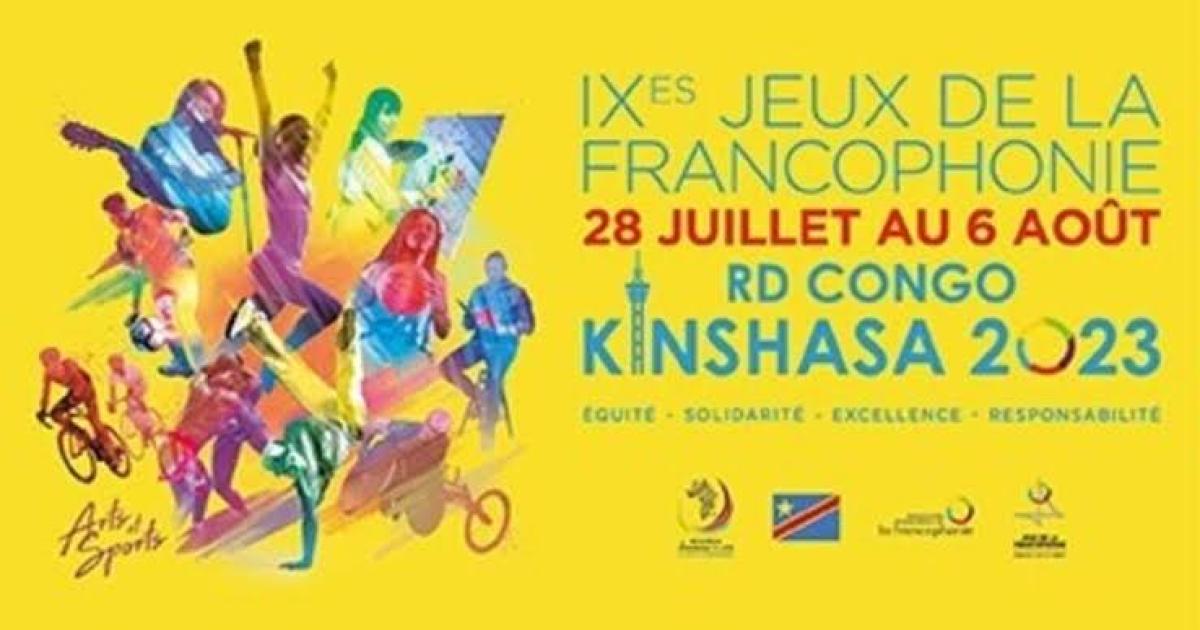
Congolese Companies: Still Awaiting Francophonie Games Payments Despite OPIs
Summary
- Congolese companies involved in the IXes Jeux de la Francophonie in Kinshasa are still awaiting payment for infrastructure work.
- This non-payment persists more than three years after the Games concluded.
- The companies were issued Irrevocable Payment Orders (OPIs), which typically signify a government commitment to pay.
- The ongoing delay highlights significant risks for contractors working on DRC government projects.
Persistent Payment Delays for Francophonie Games Contractors
However, the continued non-payment to these contractors, even after the formal issuance of these seemingly definitive OPIs, underscores a critical disconnect between official governmental commitments and the actual financial disbursements.
Congolese companies that undertook critical infrastructure projects for the IXes Jeux de la Francophonie, hosted in Kinshasa, are still awaiting remuneration for their extensive services. These enterprises were instrumental in the construction and rehabilitation efforts required to prepare the capital city for the international event, which involved significant investment and labor. Despite the passage of more than three years since the Games concluded, their legitimate claims for payment remain unresolved, creating a prolonged financial burden.
The outstanding debts pertain to work completed on various facilities and amenities necessary for the successful staging of the Francophonie Games. This situation highlights a persistent challenge for contractors engaged in government projects within the Democratic Republic of Congo, where payment timelines can often extend far beyond initial contractual expectations, even for high-profile national events. The continued non-payment underscores a significant operational risk for local businesses partnering with the state.
The Unfulfilled Promise of Irrevocable Payment Orders
A particularly concerning aspect of this ongoing dispute is the fact that these Congolese companies were formally issued Ordres de Paiement Irrévocables (OPIs), which translate to Irrevocable Payment Orders. The signing of an OPI typically signifies an official and binding commitment from the government to disburse funds for services rendered, acting as a formal acknowledgment of the debt and an instruction for payment. In a standard financial process, such an order should guarantee the prompt settlement of outstanding invoices.
However, the continued non-payment to these contractors, even after the formal issuance of these seemingly definitive OPIs, underscores a critical disconnect between official governmental commitments and the actual financial disbursements. This discrepancy raises serious questions about the efficacy and reliability of such instruments in practice within the DRC's public finance system, and the overall predictability of government payment processes for Congolese enterprises.
Economic Repercussions and Eroding Trust for Congolese Businesses
The failure to compensate these contractors for work completed on the IXes Jeux de la Francophonie carries substantial economic repercussions for the involved Congolese enterprises. These businesses, having invested significant capital, human resources, and operational capacity into major public works, now face severe liquidity challenges, potential operational disruptions, and even the risk of insolvency due to the outstanding government debt. This situation directly impacts their ability to meet payroll, pay suppliers, and undertake future projects.
Such protracted payment delays, especially those occurring after the formal signing of Irrévocable Payment Orders, can severely erode trust in government contracts and deter other local companies from participating in future public sector initiatives. It contributes to a broader perception of elevated risk associated with contracting with the DRC government, potentially impacting the country's ability to attract and retain skilled local contractors for essential development and infrastructure projects, thereby hindering national progress. This ongoing issue represents a significant challenge to the financial stability of Congolese enterprises and the credibility of state procurement.
Practical Implications
This situation highlights the significant risk of payment delays for companies contracting with the Congolese government, even after official payment orders are issued. Lawyers advising clients on public works projects in the DRC should emphasize the need for robust contractual protections, including clear payment schedules, penalty clauses for delays, and effective dispute resolution mechanisms, to mitigate financial exposure.
Source
Source: Original reporting via PMaki
How does this affect you?
Get an AI analysis of this article grounded in your jurisdictions, practice areas, and any policy documents you've uploaded to Wansom.
Finish Reading the Full Story and the Expert Analysis.
Get the latest legal & regulatory intelligence in DR Congo
Wansom is AI and can make mistakes.