
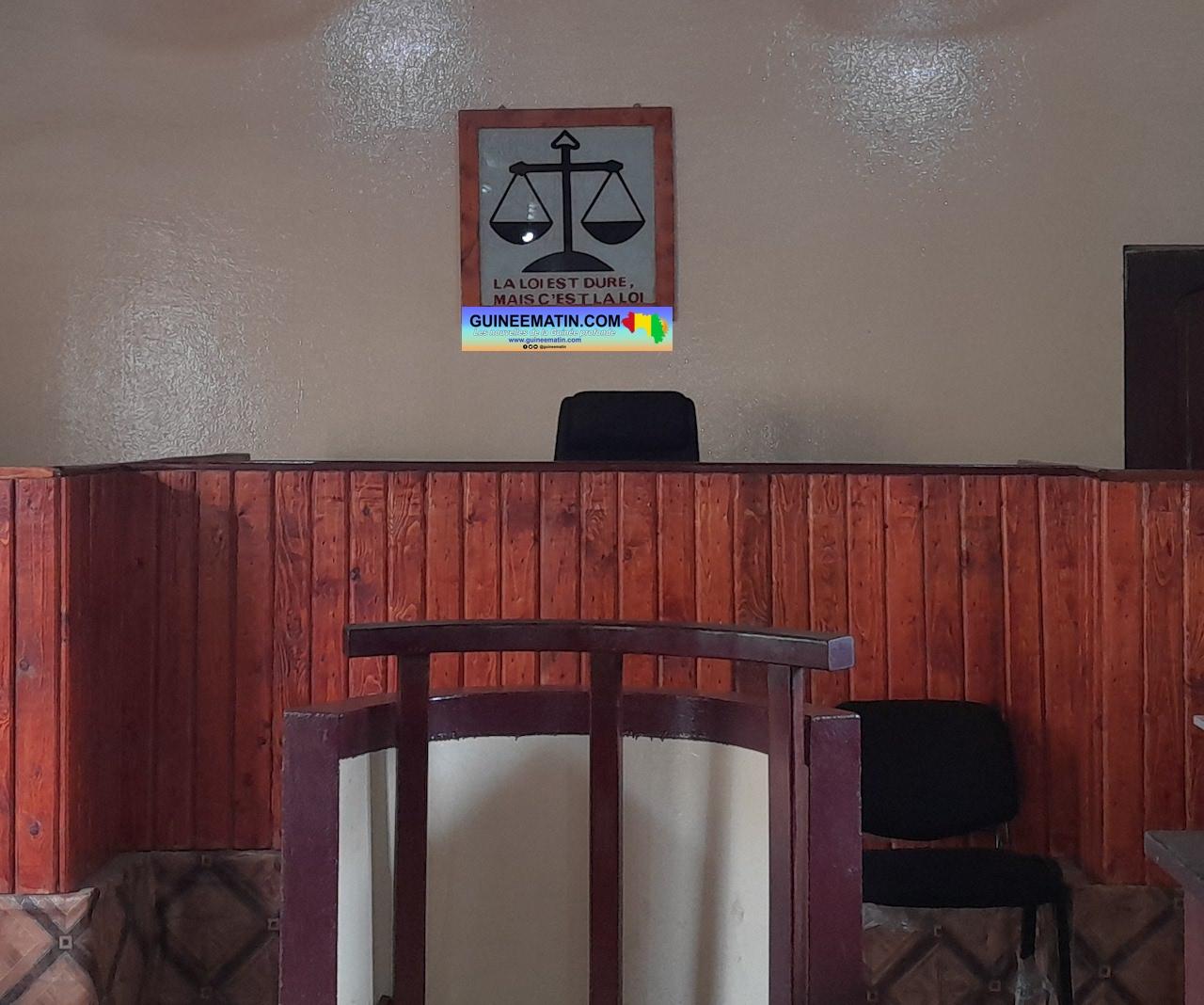
Conakry Court: Senegalese Women Drug Trafficking Trial Opens
Summary
- Two Senegalese women appeared before the Mafanco criminal court on November 24, 2026, facing international drug trafficking charges.
- They are accused of transporting hashish into Guinea from Morocco.
- Both defendants pleaded not guilty and blamed each other for the alleged crime.
- The case involves "high-risk drugs" and highlights international trafficking routes.
Court Proceedings Commence in Conakry
The defense tactic of co-accused blaming each other introduces layers of complexity into the legal proceedings, demanding careful evidentiary review and cross-examination.
On Tuesday, November 24, 2026, the Mafanco criminal court in Conakry initiated proceedings against two Senegalese citizens accused of international trafficking of what authorities have classified as "high-risk drugs." Both defendants appeared before the tribunal, where they formally entered pleas of not guilty to the serious charges brought against them. This judicial event underscores the persistent efforts by Guinean authorities to intercept and prosecute individuals involved in the illicit drug trade that traverses its borders.
During the initial phase of the trial, a notable aspect of the defense strategy emerged as both co-accused women vehemently denied culpability, instead choosing to attribute responsibility for the alleged crime to one another. This mutual finger-pointing presents a significant challenge for the court, which must meticulously unravel the facts to determine the true extent of each individual's involvement. Such complex dynamics are frequently observed in multi-defendant international drug cases, where the stakes are high and legal strategies often involve shifting blame.
Allegations of International Hashish Trafficking
The core of the prosecution's case centers on the accusation that the two Senegalese women were involved in transporting hashish into Guinea. This specific illicit substance is alleged to have originated from Morocco, thereby establishing a clear international dimension to the trafficking operation. The identification of hashish as the contraband, coupled with its classification as a "high-risk drug," highlights the severe nature of the charges and the potential penalties faced by the defendants.
This alleged Guinea-Morocco drug route is a known corridor for international narcotics distribution, linking North African production hubs with West African transit points. The case therefore not only addresses the actions of the individual defendants but also sheds light on the broader challenges faced by regional law enforcement agencies in disrupting these sophisticated supply chains. The international scope of the alleged activities necessitates a robust judicial response to deter similar future offenses.
Judicial Enforcement and Legal Complexities
The ongoing trial at the Mafanco criminal court serves as a critical example of Guinea's judicial enforcement against international drug trafficking. The prosecution of such cases is paramount for maintaining regional security and combating organized crime networks that exploit national borders for illicit gain. The legal framework in Guinea provides for stringent penalties for those convicted of involvement in the international trade of controlled substances, reflecting the gravity of these offenses.
The defense tactic of co-accused blaming each other introduces layers of complexity into the legal proceedings, demanding careful evidentiary review and cross-examination. Lawyers involved in such multi-jurisdictional criminal proceedings must navigate intricate factual disputes and often conflicting testimonies. The presence of a journalist from Guineematin.com observing the proceedings further emphasizes the public and media interest in this Conakry Senegalese women drug trafficking trial, underscoring its significance within the national discourse on crime and justice.
Practical Implications
This case underscores the ongoing judicial enforcement against international drug trafficking in Guinea, particularly involving cross-border transport from North Africa. Lawyers should note the severe penalties and complex defense strategies often employed in such multi-jurisdictional criminal proceedings, especially when co-accused blame each other.
Source
How does this affect you?
Get an AI analysis of this article grounded in your jurisdictions, practice areas, and any policy documents you've uploaded to Wansom.
Finish Reading the Full Story and the Expert Analysis.
Get the latest legal & regulatory intelligence in Guinea
Wansom is AI and can make mistakes.