
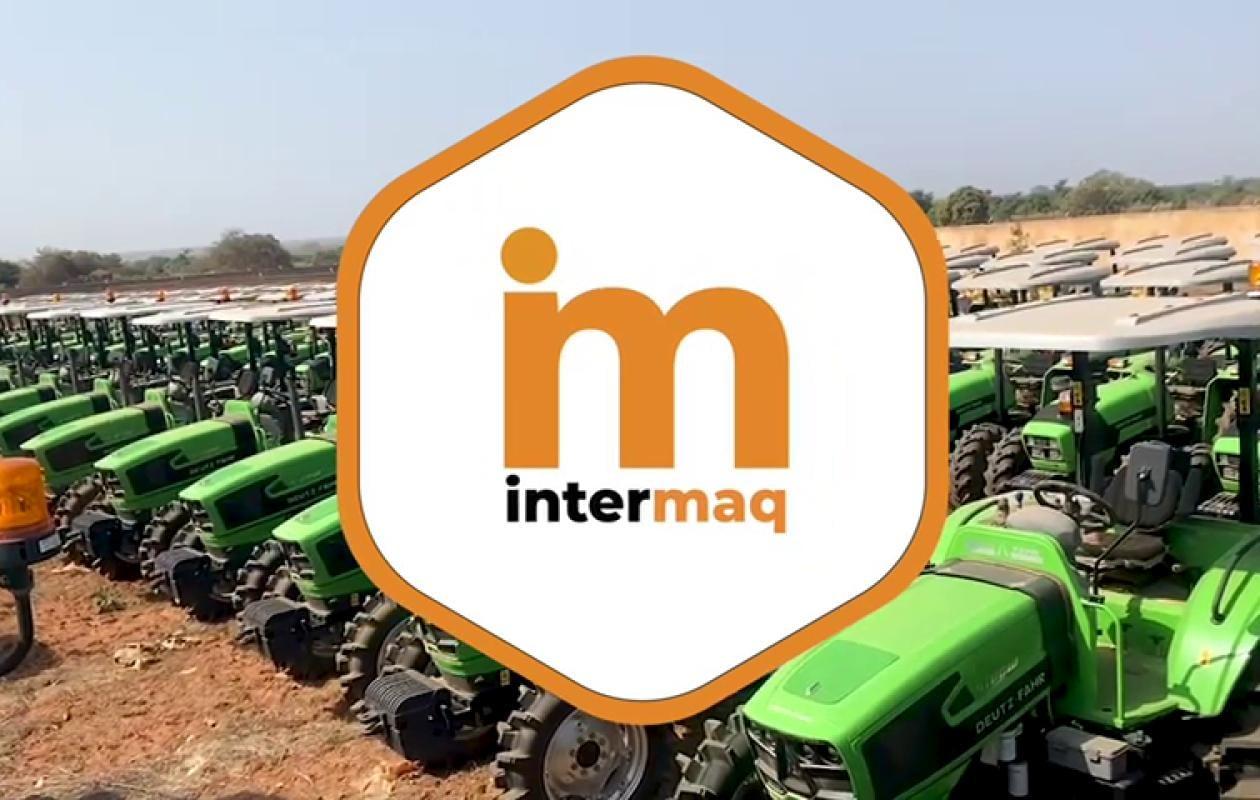
Collectif Rappel: Demands Update on Intermaq 2 Billion FCFA Sénégal Probe
Summary
- The Collectif Rappel is demanding accountability for 2 billion FCFA in the Intermaq agricultural equipment subsidy case in Senegal.
- The organization questions why the funds were deposited into a bank account instead of the Public Treasury and seeks clarification on financial procedures.
- They are urging the financial judicial pole to follow up on observations made by the Cour des comptes regarding the dossier.
- Former Minister Mabouba Diagne denied involvement, stating the program predated his 2024 arrival, despite media linking him to Circular 01258.
- The case was previously placed under the authority of the Agent judiciaire de l'État following market audits in July 2026.
Renewed Calls for Accountability in Agricultural Subsidy Case
The persistent efforts by the Collectif Rappel to secure accountability in the Intermaq case underscore a growing societal demand for rigorous oversight of public expenditures in Senegal.
The Collectif Rappel, a civil society organization, has recently intensified its demands for clarity regarding the management of a 2 billion FCFA agricultural equipment subsidy program in Senegal, specifically concerning the Intermaq dossier. The group has formally requested that both government authorities and the financial judicial pole (pôle judiciaire financier) provide updates on the ongoing investigation, expressing concern that the matter might otherwise be overlooked. A key point of contention raised by the Collectif Rappel involves a specific circular letter and the substantial sum of 2 billion FCFA.
The organization is seeking detailed explanations as to why funds designated for agricultural equipment were deposited into a private bank account rather than being channeled through the Public Treasury. Furthermore, the Collectif Rappel has called for a comprehensive elucidation of the financial flow, the procedures followed, and the identification of any potential responsibilities associated with these transactions. In a communiqué issued on a recent Thursday, the Collectif Rappel emphasized the critical need for competent authorities to thoroughly examine the Intermaq case and uphold the principle of transparency in the administration of public funds, a position also reported by LII Quotidien.
Legal Scrutiny and Audit Follow-Up
Central to the Collectif Rappel's current push is the demand for information on the actions taken following observations made by the Cour des comptes regarding the Intermaq dossier. The organization insists that these observations necessitate rigorous verification, conducted in strict adherence to legal protocols and with due respect for the rights of all individuals involved. They are advocating for the establishment of any potential liabilities and the initiation of appropriate legal proceedings as mandated by law. This recent call to the financial judicial pole marks a distinct effort from previous governmental actions.
Notably, on July 28, 2026, the Minister of Agriculture, Cheikhou Oumar Bâ, had previously indicated that the Intermaq case was under the purview of the Agent judiciaire de l'État. This earlier move was part of broader market audit follow-ups and is separate from the Collectif Rappel's current appeal to the financial judicial pole, highlighting different avenues of legal and administrative oversight being pursued in the ongoing enquête Sénégal.
Ministerial Involvement and Program Origins
The Intermaq dossier has also drawn attention to past ministerial statements. Former Minister of Agriculture and Food Sovereignty, Mabouba Diagne, publicly denied any direct or indirect involvement in the case. He further clarified that the agricultural equipment program in question had been initiated prior to his assumption of ministerial duties in 2024. Despite his denial, media reports have linked Mabouba Diagne to Circular 01258, which was reportedly signed by him on September 19, 2024, and subsequently disseminated to governors. This circular is one of the documents highlighted by the Collectif Rappel in their request for greater transparency.
Why It Matters
The persistent efforts by the Collectif Rappel to secure accountability in the Intermaq case underscore a growing societal demand for rigorous oversight of public expenditures in Senegal. The organization's insistence on follow-up to the Cour des comptes Intermaq observations and the detailed scrutiny of the 2 billion FCFA subvention agricole reflects a broader commitment to ensuring that public funds are managed with utmost integrity and transparency. This sustained pressure from civil society groups like the Collectif Rappel serves as a vital mechanism for promoting good governance and ensuring that potential irregularities in the use of state resources are thoroughly investigated and addressed through appropriate legal channels.
Practical Implications
Lawyers advising government agencies or involved in public finance litigation in Senegal should closely monitor the Collectif Rappel's push for accountability in the Intermaq case, as it highlights increasing civil society pressure for transparency and follow-up on audit findings. This could influence future enforcement actions and compliance expectations regarding public funds and agricultural subsidies.
Source
Source: Insights from Senegalese press.
How does this affect you?
Get an AI analysis of this article grounded in your jurisdictions, practice areas, and any policy documents you've uploaded to Wansom.
Finish Reading the Full Story and the Expert Analysis.
Wansom is AI and can make mistakes.