
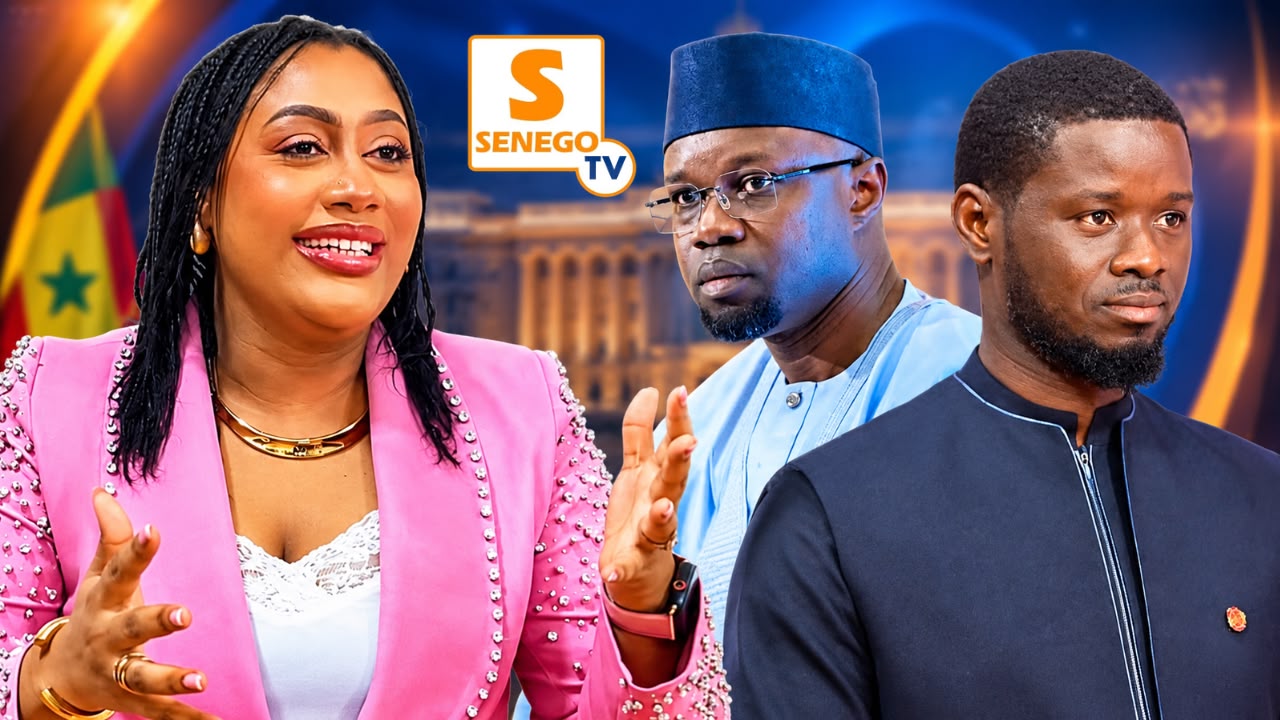
Ndeye Nogaye Babel Sow: Sénégal Exécutif Législatif Dispute Requires Institutional Balance
Summary
- Ndeye Nogaye Babel Sow, a pan-African activist and jurist, analyzed the dispute between Sénégal's Executive and Legislative branches.
- Her analysis was presented during an interview with Senego.
- Sow believes that exchanges between the two powers can strengthen institutional balance.
- She also states that such interactions demonstrate democratic maturity.
- Ndeye Nogaye Babel Sow has called for political leaders to act with responsibility.
Analysis of the Senegalese Institutional Dispute
Central to Ndeye Nogaye Babel Sow's analysis is her firm belief that constructive engagement and robust exchanges between these two pivotal governmental powers are not merely beneficial but essential, as they possess the inherent capacity to significantly bolster the nation's institutional equilibrium and serve as a powerful indicator of a mature democratic system.
Ndeye Nogaye Babel Sow, a distinguished pan-African activist, jurist, and the author of the book "Publier," has recently offered her insightful analysis regarding the ongoing dispute between the Executive and Legislative branches in Sénégal. Her perspective, shared during an interview with Senego, delves into the fundamental dynamics of power within the Senegalese political landscape. Sow's intervention comes at a critical juncture, providing a legal and activist lens on the institutional friction.
The Imperative of Institutional Balance and Democratic Maturity
The concept of institutional balance, as articulated by Ndeye Nogaye Babel Sow, is foundational to the stability and effectiveness of any democratic government, particularly in Sénégal. She argues that when the executive and legislative arms of government engage in meaningful and respectful exchanges, even when faced with differing viewpoints, it naturally leads to a stronger, more resilient institutional framework. This dynamic interaction is crucial for preventing the concentration of power in one branch and ensuring that the system of checks and balances, a cornerstone of democratic governance, functions as intended.
Sow's perspective further suggests that the very act of these powers engaging in dialogue, rather than confrontation, is a testament to a nation's democratic maturity. It demonstrates an understanding that disagreements are a natural part of political life, but their resolution must occur within the bounds of constitutional principles and through collaborative efforts. This approach, which prioritizes constructive engagement, is vital for fostering an environment where legislative processes can proceed efficiently and executive decisions are subject to appropriate oversight, thereby strengthening the overall équilibre institutionnel Sénégal.
Such a mature approach to the Sénégal différend pouvoirs ensures that governance remains responsive to the needs of the populace and that laws are enacted and implemented with broad legitimacy. Ndeye Nogaye Babel Sow emphasizes that this collaborative spirit, rather than adversarial posturing, is what ultimately underpins a stable and progressive democratic state, allowing for sustained development and public confidence in governmental institutions.
Implications for Governance and Stability in Sénégal
The ongoing dispute between the Executive and Legislative branches in Sénégal, as highlighted by Ndeye Nogaye Babel Sow, carries significant implications for the nation's governance and overall stability. Sow's call for political leaders to act with responsibility is not merely an ethical plea but a pragmatic necessity for the effective functioning of the state. A failure to address this conflit exécutif législatif Sénégal through responsible engagement could lead to legislative gridlock, hindering the passage of crucial laws and policies necessary for national progress.
Moreover, an unresolved or poorly managed institutional disagreement can erode public trust in governmental institutions, creating an environment of uncertainty that impacts various sectors, including the legal and business communities. The predictability of regulatory frameworks and the consistent enforcement of laws are paramount for both domestic and international stakeholders. Therefore, the responsible navigation of this dispute, as advocated by Sow, is critical for maintaining legislative stability and regulatory predictability, which are essential for economic growth and social order.
Ultimately, Ndeye Nogaye Babel Sow's insights underscore that the manner in which Sénégal's political leadership resolves this institutional friction will be a defining moment for its democratic trajectory. It will demonstrate whether the nation's political class can rise to the challenge of prioritizing collective interest and constitutional principles over individual or partisan agendas, thereby reinforcing the foundational pillars of the Senegalese state and ensuring the continued efficacy of its legal and administrative systems.
Practical Implications
Lawyers and compliance officers in Senegal should monitor the ongoing dispute between the Executive and Legislative branches, as highlighted by Ndeye Nogaye Babel Sow, for potential impacts on legislative stability, regulatory predictability, and the enforcement of laws relevant to their clients.
Source
Source: Original reporting via Senego.
How does this affect you?
Get an AI analysis of this article grounded in your jurisdictions, practice areas, and any policy documents you've uploaded to Wansom.
Finish Reading the Full Story and the Expert Analysis.
Wansom is AI and can make mistakes.