
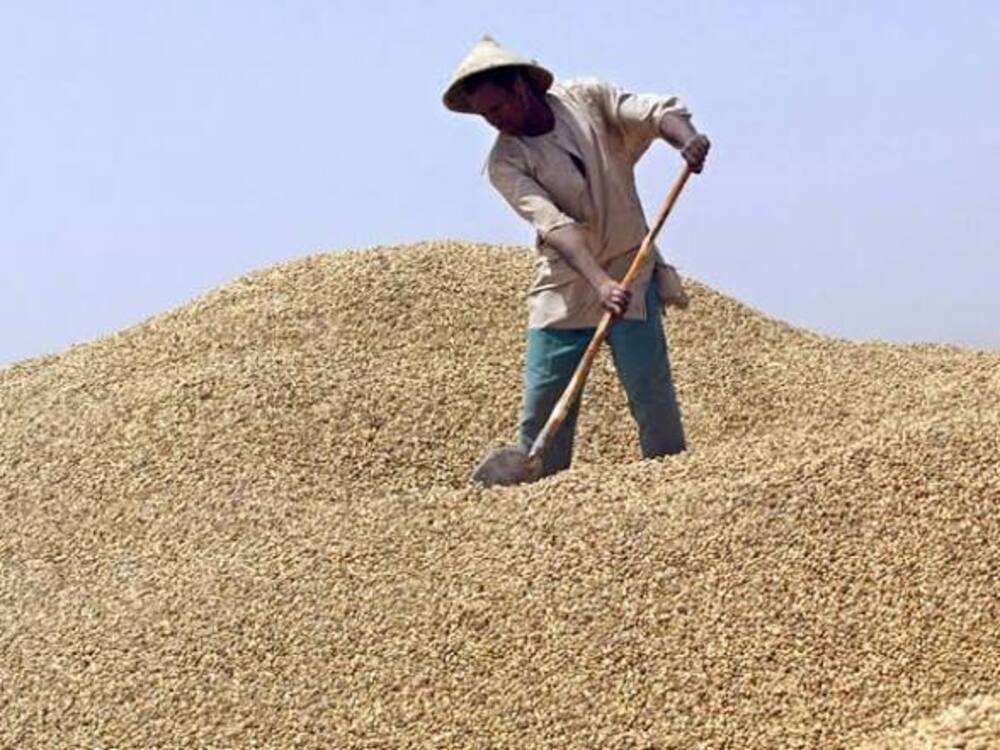
CNIA: Réattribution Points Collecte Sénégal Contre Opérateurs Défaillants
Summary
- The CNIA plans to reattribute collection points from non-compliant operators during the 2026-2027 groundnut campaign in Senegal.
- All operators must adhere to the fixed floor price of 305 FCFA per kilogram for groundnuts, with collection starting in early December.
- New measures include designating departmental focal points to monitor sites and ensuring at least 60% of registered points are operational.
- Enhanced traceability, including a proposal for village chiefs to sign delivery documents, and prompt producer payments are key priorities.
- Operators are required to submit weekly reports on volumes, payments, stocks, and shipments to ensure data transparency and track groundnut movements.
Enhanced Oversight for Senegal's Groundnut Campaign
To bolster the traceability of deliveries to industrial processing units, Modou Fall, the President of the CNIA, has put forward a proposal requiring village chiefs to sign delivery documents.
The National Interprofessional Groundnut Committee (CNIA) is implementing stringent new measures for the upcoming campagne arachidière 2026-2027 Sénégal, focusing on accountability among operators. A key initiative involves the CNIA réattribution points collecte Sénégal, where the committee plans to designate departmental focal points to actively monitor approved collection sites. This oversight aims to identify CNIA opérateurs défaillants who fail to meet their commitments, with their allocated collection points subject to reassignment to more compliant entities.
A central directive for all stakeholders is the mandatory application of the prix plancher arachide 305 FCFA per kilogram, a critical component as groundnut collection is set to commence in early December. This specific floor price was initially established for the 2024-2025 campaign, representing a 9% increase from the 280 FCFA of the preceding year and surpassing the CNIA's initial proposal of 290 FCFA. The Senegalese government subsequently confirmed this 305 FCFA rate in November 2025 for the subsequent campaign, underscoring its continued importance. Ensuring adherence to this minimum price remains a significant challenge, particularly given the prevalence of unauthorized purchases that often occur at lower rates outside official channels.
Operational Compliance and Quality Standards
Beyond price enforcement, the CNIA's enhanced control over collection points is designed to verify the operational efficiency and integrity of these sites. The committee has set an ambitious target to ensure that at least 60% of all registered collection points are fully operational. Illustrating this effort, in the Louga region, 99 out of 125 planned sites have already been assigned to 80 different operators, indicating progress in establishing a functional network. A further priority for the CNIA is the strict observance of sifting protocols, which are crucial for enhancing the quality of groundnut seeds and minimizing losses attributable to impurities.
The committee is also placing significant emphasis on strengthening the traçabilité arachide Sénégal throughout the supply chain and ensuring prompt payments to producers. To bolster the traceability of deliveries to industrial processing units, Modou Fall, the President of the CNIA, has put forward a proposal requiring village chiefs to sign delivery documents. This measure is intended to facilitate the precise identification of the origin of the groundnut seeds, thereby adding an additional layer of verification and accountability to the collection process.
Financial Mechanisms and Data Transparency
The effective implementation of the prix plancher arachide 305 FCFA is heavily reliant on adequate financial backing for the collection process. Recognizing this, Habib Thiam, the CNIA's spokesperson, has appealed to the State to provide pre-financing for operators and urged SONACOS, the national groundnut company, to expand its intervention capabilities. In response, Ibrahima Dieng, SONACOS's National Coordinator for Seed Purchases, confirmed that the company has already secured 90 billion FCFA specifically for the acquisition of groundnut seeds.
Export Framework and Campaign Schedule
The campagne arachidière 2026-2027 Sénégal is officially scheduled to run from December 3, 2026, until April 15, 2027. A significant aspect of this period is the continued authorization of groundnut seed exports, which will be permitted from the very beginning of the campaign. However, these exports are strictly contingent upon adherence to established regulatory procedures and the stringent traçabilité arachide Sénégal requirements. This ensures that while market access is maintained, the quality and origin of exported groundnuts can be verified, aligning with the broader goals of sector professionalization and quality control.
Practical Implications
Lawyers advising agricultural operators in Senegal should inform clients about the CNIA's stricter enforcement regarding collection point commitments and the 305 FCFA floor price for the 2026-2027 groundnut campaign. Non-compliant operators risk reattribution of their collection points, and enhanced traceability requirements, including signed delivery documents by village chiefs, necessitate robust internal compliance protocols to avoid penalties and ensure export eligibility.
Source
Source: Original reporting via Apanews
How does this affect you?
Get an AI analysis of this article grounded in your jurisdictions, practice areas, and any policy documents you've uploaded to Wansom.
Finish Reading the Full Story and the Expert Analysis.
Get the latest legal & regulatory intelligence in Senegal
Wansom is AI and can make mistakes.