
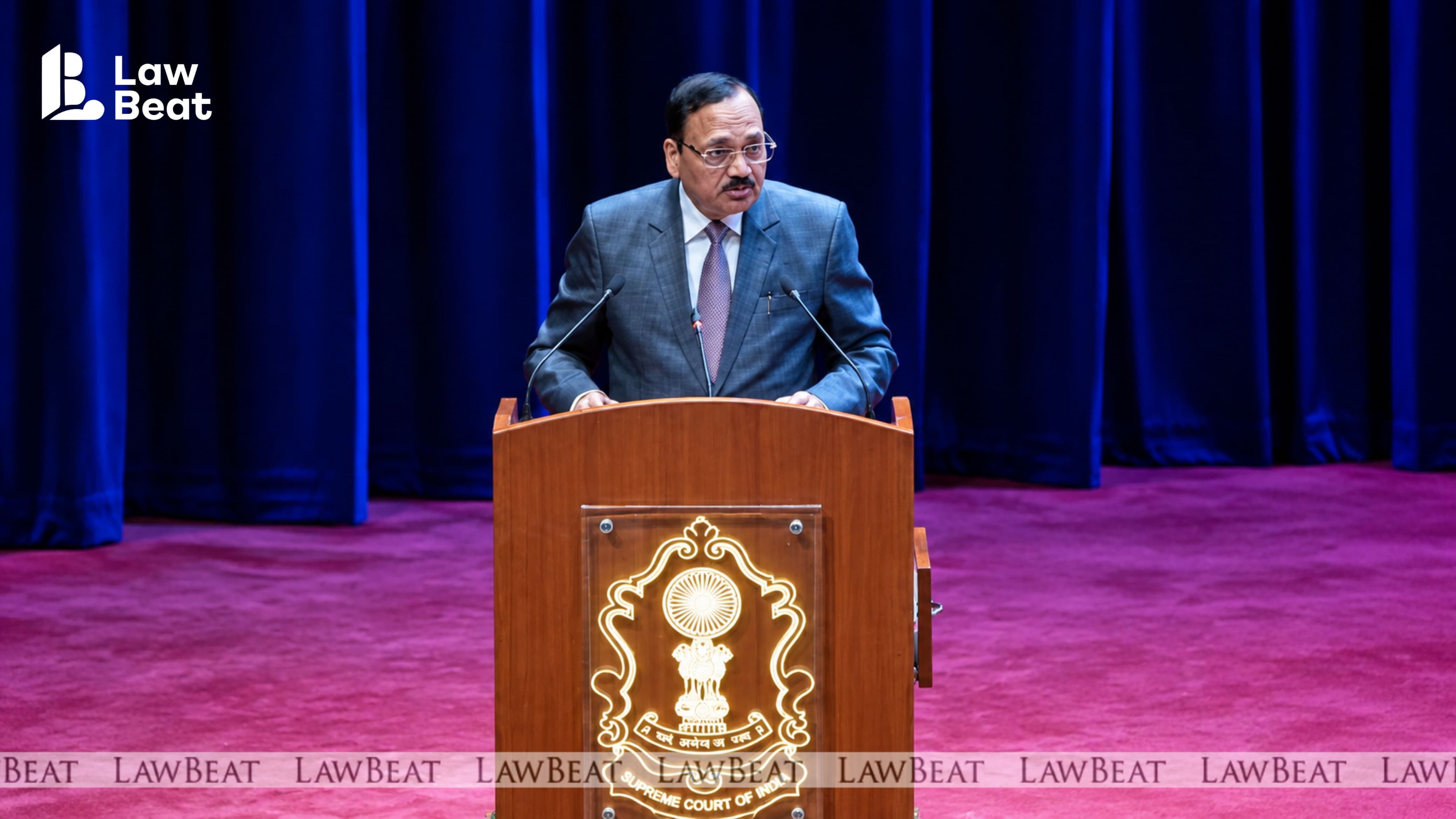
CJI Surya Kant: Advocates Specialized Juvenile Justice Defense Wing
Summary
- CJI Surya Kant proposed creating a dedicated wing of trained defense lawyers for children.
- This initiative aims to provide continuous legal representation for children from police contact through rehabilitation.
- The proposal was made during a consultation marking the 10th anniversary of the Juvenile Justice (Care and Protection of Children) Act, 2015.
- The CJI emphasized the Act's focus on restorative justice, treating children's circumstances rather than their identity.
- He also called for joint training for police and Juvenile Justice Board members and independent evaluation of rehabilitation outcomes.
A Decade of Juvenile Justice Reform
CJI Surya Kant advocated for the establishment of a specialized wing of trained defense counsel dedicated solely to children, aiming to ensure continuous legal representation from initial police contact through rehabilitation.
Chief Justice of India (CJI) Surya Kant recently presided over the National Annual Stakeholders Consultation, an event commemorating ten years since the enactment of the Juvenile Justice (Care and Protection of Children) Act, 2015. During this significant gathering, the CJI advocated for the establishment of a specialized wing of trained defense counsel dedicated solely to children. This initiative aims to ensure that any child encountering the legal system benefits from continuous legal representation, maintaining the same lawyer from their initial interaction with law enforcement through appearances before the Juvenile Justice Board and into their rehabilitation phase.
The consultation, a collaborative effort between the Supreme Court’s Juvenile Justice Committee, under the leadership of Justice BV Nagarathna, and UNICEF, served as a platform to reflect on the Act's impact. Preceding the CJI's address, a comprehensive compendium of pivotal judgments rendered under the Act was unveiled. CJI Surya Kant lauded this collection as an invaluable resource, documenting the judiciary's interpretation of the statute over the past decade.
The Foundational Principles of the 2015 Act
CJI Surya Kant structured his address around the hypothetical case of a 15-year-old brought before a Juvenile Justice Board in January 2016, the very month the Act became effective, who would now be approximately 25 years old. He noted that while a decade might seem brief in the lifespan of legislation, it represents a substantial portion of a child's formative years. The Chief Justice underscored that the fundamental promise of the 2015 Act is embedded in its language, marking a significant departure from its predecessor, the Juvenile Justice Act of 2000. The earlier legislation referred to a "juvenile in conflict with the law," whereas the 2015 Act deliberately designates every individual under 18 as a "child" and mandates the avoidance of adversarial or accusatory terminology in all proceedings involving them.
This linguistic shift is not merely a matter of courtesy; it reflects a deeper understanding that the phrase "child in conflict with law" describes a circumstance, not an inherent identity. Such children frequently come from backgrounds marked by interrupted schooling, familial stress, poverty, and sometimes substance use, with many encountering the legal system for the first time. The CJI observed that often, a child in conflict with the law was previously a child in need of care and protection who was not reached in time. The Act's philosophy, rooted in Articles 15(3) and 39 of the Constitution and the UN Convention on the Rights of the Child, champions restoration over retribution. It operates on the presumption that individuals under 18 lack criminal intent and treats institutional care as a measure of last resort, actively promoting diversion from formal proceedings in favor of counseling, community service, and probation. While the Act does permit the trial of 16 to 18-year-olds as adults for the most serious offenses, this is only permissible after a thorough preliminary assessment of their capacity and circumstances. The Chief Justice emphasized that restorative justice does not ignore the harm caused but compels remembrance that the perpetrator is still a child.
Enhancing Legal Support and Systemic Training
The noble aspirations of the Juvenile Justice (Care and Protection of Children) Act 2015 can only be realized through the dedicated efforts of the individuals tasked with its implementation. Recognizing this, CJI Surya Kant's call for a specialized defense wing for children is crucial for strengthening the framework of "India child defense lawyers." This initiative would ensure that children receive consistent, high-quality legal advocacy throughout their engagement with the justice system, from the initial police interaction to the Juvenile Justice Board and subsequent rehabilitation efforts.
Beyond specialized legal representation, the CJI also highlighted the necessity for joint training programs involving police officers and members of the Juvenile Justice Boards. Such collaborative training is essential to foster a unified understanding and application of the Act's principles. Furthermore, he stressed the importance of independent evaluations to ascertain the actual success rates of young people in rebuilding their lives post-intervention. These measures collectively aim to reinforce the Act's commitment to restorative justice and ensure that its promise of a second chance for children translates into tangible positive outcomes, enabling them to become productive members of society rather than being permanently branded as criminals.
Practical Implications
Lawyers practicing juvenile justice in India should anticipate the development of specialized defense counsel wings for children, requiring expertise in continuous representation from initial contact with law enforcement through rehabilitation. This initiative underscores the judiciary's commitment to the Act's restorative principles and highlights the need for specialized training for legal professionals in this area.
Source
How does this affect you?
Get an AI analysis of this article grounded in your jurisdictions, practice areas, and any policy documents you've uploaded to Wansom.
Finish Reading the Full Story and the Expert Analysis.
Get the latest legal & regulatory intelligence in India
Wansom is AI and can make mistakes.