
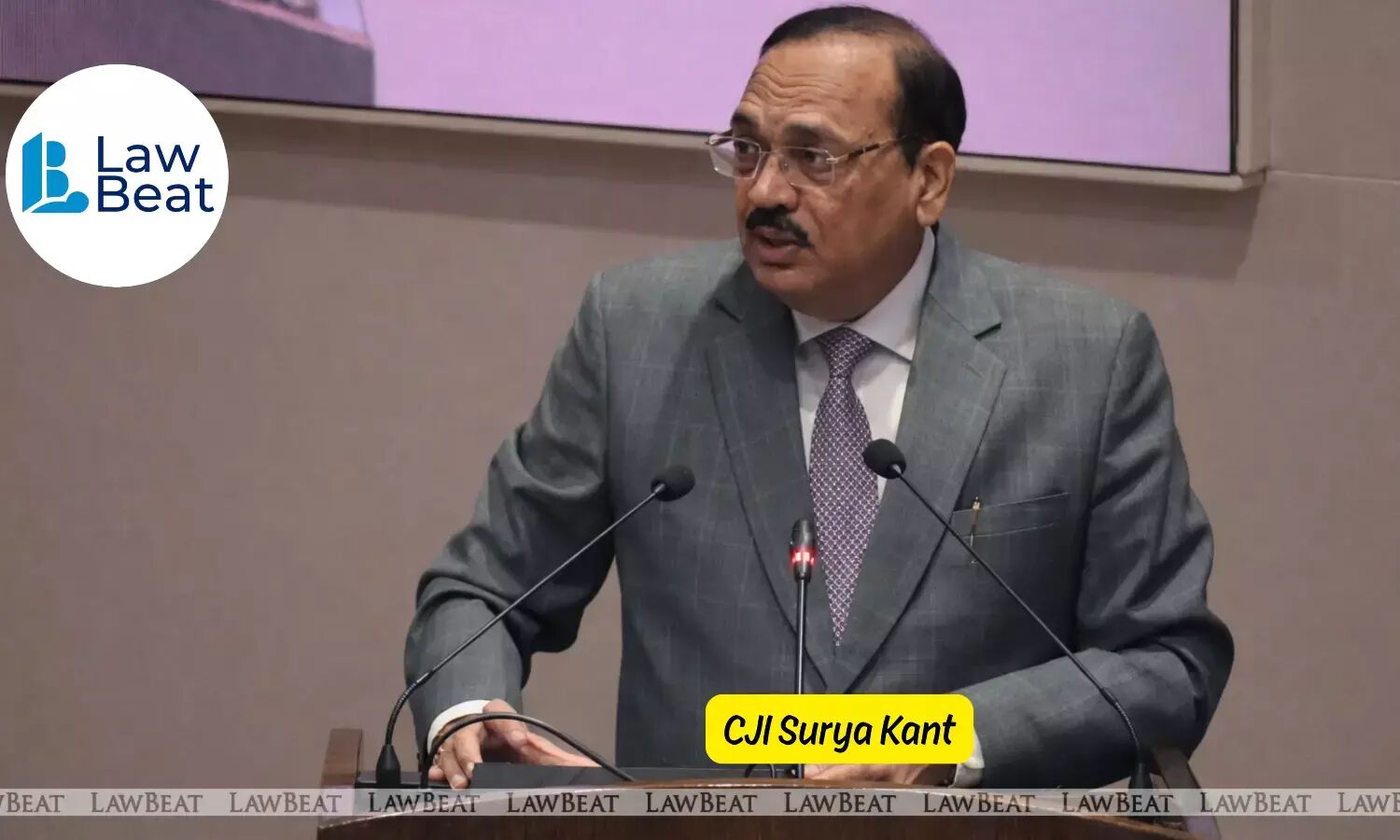
CJI Surya Kant: Urges Child-Centric Drug Abuse Response In India
Summary
- Chief Justice of India Surya Kant advocated for a child-centric approach to drug abuse, emphasizing rehabilitation and stigma-free reintegration for affected children.
- He stated that children struggling with substance use should be treated primarily as children in need of care and protection, not defined by their addiction.
- The CJI highlighted that drug abuse in children is both a public health and a child protection concern, with consequences extending beyond physical health.
- Justice Kant stressed that effective rehabilitation must encompass more than just de-addiction, requiring counseling, mental health support, and continued education.
- A study referenced by the CJI indicated that over one in five Indian adolescents face a moderate-to-high risk of substance use, underscoring the scale of the challenge.
Judicial Call for a Child-Centric Response
Children affected by substance abuse must be treated primarily as children in need of care and protection, rather than being defined by addiction or a period of vulnerability.
Chief Justice of India Surya Kant recently underscored the critical need for a child-centric drug abuse response in India, advocating for the compassionate treatment of young individuals grappling with substance use. Speaking on Saturday at a national seminar titled “Restoring Childhood – Preventing Drug Abuse and Re-integration of Children in Need of Care and Protection” held at Bihar Lok Bhawan in Patna, Justice Kant asserted that children affected by substance abuse should be regarded first and foremost as children requiring care and protection, rather than being characterized solely by their addiction or a phase of vulnerability.
Justice Kant emphasized that the issue of drug abuse among children transcends a mere public health concern, extending significantly into the realm of child protection. He highlighted that the repercussions of a child's encounter with intoxicating substances are far-reaching, impacting their education, straining family bonds, and heightening their susceptibility to exploitation, violence, trafficking, and other forms of abuse. The Chief Justice cautioned against reducing a child's identity to the circumstances that led them to drug contact, stressing that a comprehensive understanding of their individual journey is paramount for effective intervention and support.
This judicial stance aims to reshape the juvenile drug abuse policy India currently employs, moving towards a framework that prioritizes rehabilitation and reintegration. The Chief Justice Surya Kant children care protection philosophy advocates for a stigma-free environment, enabling these vulnerable young individuals to return to society with dignity. His remarks at the "Restoring Childhood" seminar recommendations signal a significant shift in how the legal and social systems should approach child protection drug addiction India faces.
Distinguishing Vulnerability from Exploitation
A crucial distinction was drawn by Chief Justice Kant between children struggling with substance use and those who exploit young individuals or facilitate the distribution of drugs. While the legal system must respond with unwavering firmness to those who exploit children, he clarified that the approach must differ significantly when confronting a child battling substance use. In such cases, the primary focus should be on ensuring the child's safety, providing appropriate treatment, offering counseling, and facilitating comprehensive rehabilitation.
Justice Kant referenced an August 2026 study published in The Lancet Regional Health – Southeast Asia, which estimated that more than one in five adolescents in India face a moderate-to-high risk of substance use. However, he stressed that these statistics, while important, should not overshadow the unique individual circumstances of each child. He pointed out that children arrive at vulnerability through diverse pathways, including peer influence, exposure to substance use within their upbringing, experiences of neglect, abuse, homelessness, or deprivation, and disruptions to their education or social engagement. Recognizing these varied paths is essential for crafting tailored and effective responses.
This perspective reinforces the idea that a child's involvement with substances tells only part of their story, necessitating an inquiry into their past experiences, existing dangers, and the specific support required for recovery. The Chief Justice's emphasis on individual circumstances is vital for developing nuanced India child substance abuse rehabilitation programs that address the root causes of addiction rather than just its symptoms.
Holistic Rehabilitation and Future Integration
Chief Justice Kant underscored that effective rehabilitation must extend far beyond mere de-addiction, which he described as an insufficient clinical exercise. He articulated that medical treatment for substance abuse must be complemented by robust counseling, comprehensive mental-health support, the provision of a safe environment, and sustained engagement with both the child and their family. This holistic approach is central to the CJI Surya Kant child-centric drug abuse response India is being urged to adopt.
Restoring childhood, as envisioned by Justice Kant, does not imply erasing past harms but rather creating the necessary conditions for children to rediscover education, nurture relationships, engage in play, rebuild trust, and cultivate confidence in their future. He highlighted the critical importance of ensuring educational continuity throughout the rehabilitation process. Simply removing a child from a harmful environment, he cautioned, is inadequate if it leaves them without access to education or a secure social setting.
Furthermore, the Chief Justice advised against automatically considering a child's return to their family as a successful reintegration. This nuanced view acknowledges the complexities of family dynamics and the ongoing support required to ensure a child's long-term well-being and successful reintegration into society. These recommendations from the "Restoring Childhood" seminar are crucial for shaping future child protection drug addiction India policies.
Practical Implications
Lawyers in juvenile justice, child protection, or criminal defense should note the CJI's emphasis on treating children affected by substance abuse as 'children in need of care and protection.' This signals a judicial preference for rehabilitation, education, and reintegration over punitive measures for the child, potentially influencing court decisions and requiring a review of legal strategies and rehabilitation program compliance.
Source
Source: Original reporting via Live Law
How does this affect you?
Get an AI analysis of this article grounded in your jurisdictions, practice areas, and any policy documents you've uploaded to Wansom.
Finish Reading the Full Story and the Expert Analysis.
Get the latest legal & regulatory intelligence in India
Wansom is AI and can make mistakes.