
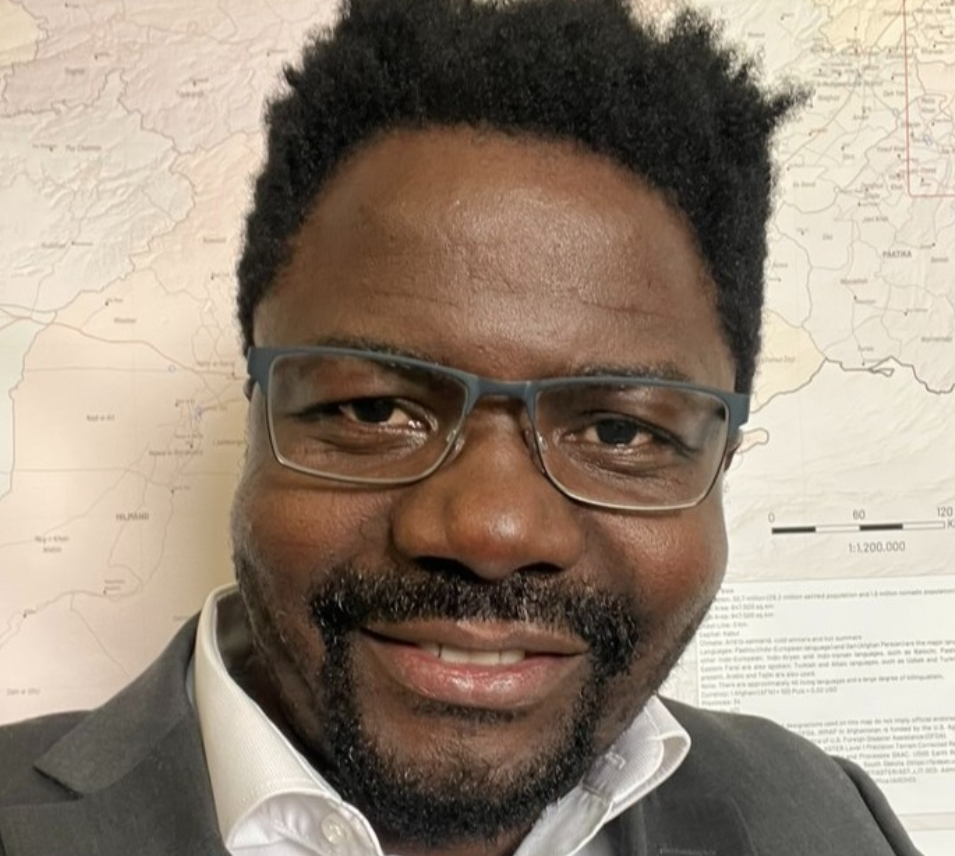
Save the Children: Chris Nyamandi Released From Juba Custody
Summary
- Chris Nyamandi, Save the Children's South Sudan country director, was released without charge on Tuesday after being detained in Juba.
- The Zimbabwean national was held in government custody since October 8, with the reasons for his detention remaining unclear.
- He was reportedly detained alongside a colleague at a hotel, with an unverified allegation of discussing politics.
- His detention occurred amidst significant political uncertainty and travel restrictions in South Sudan, which is preparing for general elections scheduled for December 22, 2026.
- The incident highlights the unpredictable operational risks for humanitarian organizations in the region.
Humanitarian Director Released Without Charge
The arbitrary detention and subsequent release of a high-profile humanitarian worker like Chris Nyamandi without any stated charges underscores the significant and unpredictable operational risks faced by international non-governmental organizations (NGOs) and their personnel in South Sudan.
Chris Nyamandi, the country director for Save the Children in South Sudan, was released from government custody on Tuesday, having faced no formal charges. A Zimbabwean national, Nyamandi had been detained in Juba, the capital city, since October 8. Save the Children confirmed his release to Radio Tamazuj on Wednesday, emphasizing that the reasons behind his detention remained entirely unclear to the organization.
Reports indicate that Nyamandi was taken into custody alongside a colleague from Save the Children's business development department. The detention reportedly occurred at a hotel in Juba. The colleague later informed ZimLive that authorities had alleged the pair were engaged in discussions about political matters, though Radio Tamazuj was unable to independently verify this specific accusation.
Context of Political Instability
The detention of Chris Nyamandi in Juba occurred amidst a backdrop of significant political uncertainty and operational challenges within South Sudan. At the time of his apprehension, the capital was experiencing various travel restrictions, contributing to an already tense environment. The broader nation continues to grapple with the complexities of its political transition, which has led to disputes that are complicating preparations for general elections scheduled for December 22, 2026.
South Sudan, which achieved independence from Sudan in 2011, has faced persistent struggles in implementing the 2018 peace agreement. This accord was intended to bring an end to a devastating five-year civil war, but its full realization remains elusive, contributing to an unpredictable and often volatile operational landscape for international organizations.
Implications for Aid Operations
The arbitrary detention and subsequent release of a high-profile humanitarian worker like Chris Nyamandi without any stated charges underscores the significant and unpredictable operational risks faced by international non-governmental organizations (NGOs) and their personnel in South Sudan. Such incidents highlight the precarious security environment in which aid agencies must operate, where staff can be held in government custody without clear justification or due process.
This event serves as a critical reminder for organizations like Save the Children about the imperative of robust security protocols, comprehensive staff training on local political sensitivities, and well-defined crisis response mechanisms. The lack of clarity surrounding Nyamandi's detention emphasizes the challenges in mitigating risks of arbitrary detention and ensuring the safety and security of humanitarian workers who are vital to delivering essential services in complex environments.
Practical Implications
The arbitrary detention and subsequent release without charge of a high-profile NGO director in South Sudan highlights the significant and unpredictable operational risks for international organizations and their staff. Lawyers and compliance officers advising NGOs in the region should review and reinforce security protocols, staff training on local political sensitivities, and crisis response mechanisms to mitigate risks of arbitrary detention and ensure staff safety.
Source
How does this affect you?
Get an AI analysis of this article grounded in your jurisdictions, practice areas, and any policy documents you've uploaded to Wansom.
Finish Reading the Full Story and the Expert Analysis.
Get the latest legal & regulatory intelligence in South Sudan
Wansom is AI and can make mistakes.