
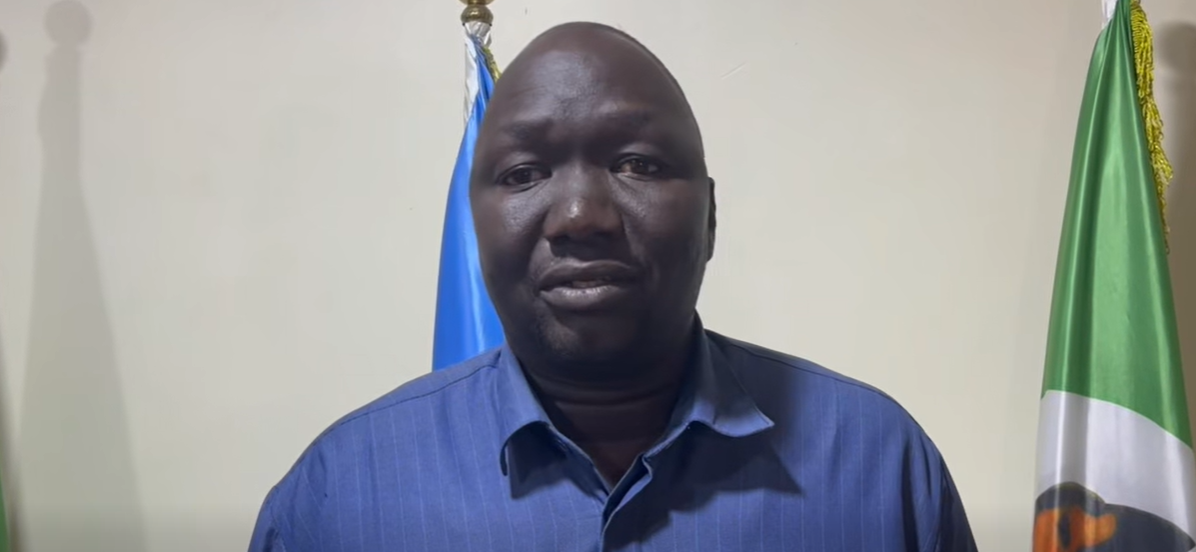
Kalisto Ladu: Foreigners Restricted From Juba Small-Scale Retail Business
Summary
- Juba County Commissioner Kalisto Ladu clarified that he did not order foreign nationals to leave, refuting social media reports.
- His actual remarks aimed to restrict foreigners from small-scale retail businesses, encouraging them instead to invest in wholesale and larger ventures.
- Activities like selling chapatti, onions, tomatoes, and operating motorcycle taxis are designated for South Sudanese citizens.
- The policy is intended to protect local businesses and is not discriminatory against foreign nationals.
- These directives are part of broader efforts to reorganize markets, improve security, and prepare for December elections.
What Happened
The core of Commissioner Ladu's directive centers on encouraging foreign nationals to channel their investments into larger economic ventures within Juba County.
Juba County caretaker commissioner Kalisto Ladu recently issued a clarification regarding his stance on foreign nationals operating within the county, specifically addressing the role of foreigners in Juba retail business. This followed widespread social media reports on Tuesday, which falsely claimed he had issued a seven-day ultimatum for foreign nationals to depart Juba County or South Sudan entirely. Commissioner Ladu unequivocally denied these reports, stating that such an order would be beyond his authority and that he had never made such a statement.
Instead, Commissioner Ladu explained that his earlier remarks, made during an inspection of Kubri Haboba market in Juba on Monday, were misinterpreted. The true intent of his statements was to restrict foreign nationals from engaging in small-scale retail businesses, rather than to expel them from the country. He emphasized that South Sudan remains welcoming to all foreign nationals who adhere to the law and are not involved in criminal activities, asserting the country's openness to individuals from any nation wishing to reside there. This Kalisto Ladu retail trade clarification sought to correct the record and provide a precise understanding of the county's position.
Policy on Foreign Investment and Local Business
The core of Commissioner Ladu's directive centers on encouraging foreign nationals to channel their investments into larger economic ventures within Juba County. He explicitly urged foreigners to focus on wholesale trade, establishing companies, factories, and other significant businesses. This approach aligns with a broader South Sudan foreign investment policy that seeks to attract substantial capital and expertise. Conversely, the Commissioner articulated a clear expectation that small-scale retail activities should be exclusively reserved for South Sudanese citizens.
Specific examples of businesses designated for local ownership include the sale of everyday food items such as chapatti, onions, and tomatoes, as well as operating motorcycle taxis, commonly known as boda bodas. Commissioner Ladu justified this distinction by stating that it is essential to protect local citizens in business, implying that failing to do so would constitute negligence on the part of the authorities. He stressed that this policy is not discriminatory against foreigners, nor is it intended to prohibit them from conducting business or to foster animosity; rather, it aims to delineate appropriate sectors for foreign and local engagement, particularly concerning South Sudan small-scale business foreign ownership.
Broader Market Reorganization and Compliance
Beyond the specific guidance for foreign nationals, Commissioner Ladu also outlined broader initiatives to reorganize markets and infrastructure within Juba County. He issued directives for all traders, including foreign nationals, operating from roadside and temporary structures to comply with new county requirements. These mandates include relocating businesses away from road reserves and upgrading certain iron-sheet structures to more permanent buildings. This comprehensive effort is part of a wider campaign by the county administration to enhance urban planning, which involves reorganizing roads, markets, and waste management, as well as moving roadside vendors to designated areas.
Commissioner Ladu reassured foreign nationals residing in Juba County that they should not be apprehensive about these ongoing operations, provided they adhere to the law. He affirmed their right to conduct business, while reiterating the importance of respecting South Sudanese laws and ceding small-scale retail activities to local citizens. These measures, including the Juba market regulations foreigners must observe, are also integral to broader objectives aimed at improving security, enhancing service delivery, and facilitating preparations for the upcoming December elections.
Practical Implications
Lawyers advising foreign clients operating or intending to operate in Juba County, South Sudan, should note the clarified policy encouraging foreign nationals to focus on wholesale trade and larger investments, rather than small-scale retail. This may impact business registration, operational compliance, and sector-specific advice to avoid potential enforcement issues related to the commissioner's directives.
Source
How does this affect you?
Get an AI analysis of this article grounded in your jurisdictions, practice areas, and any policy documents you've uploaded to Wansom.
Finish Reading the Full Story and the Expert Analysis.
Get the latest legal & regulatory intelligence in South Sudan
Wansom is AI and can make mistakes.