
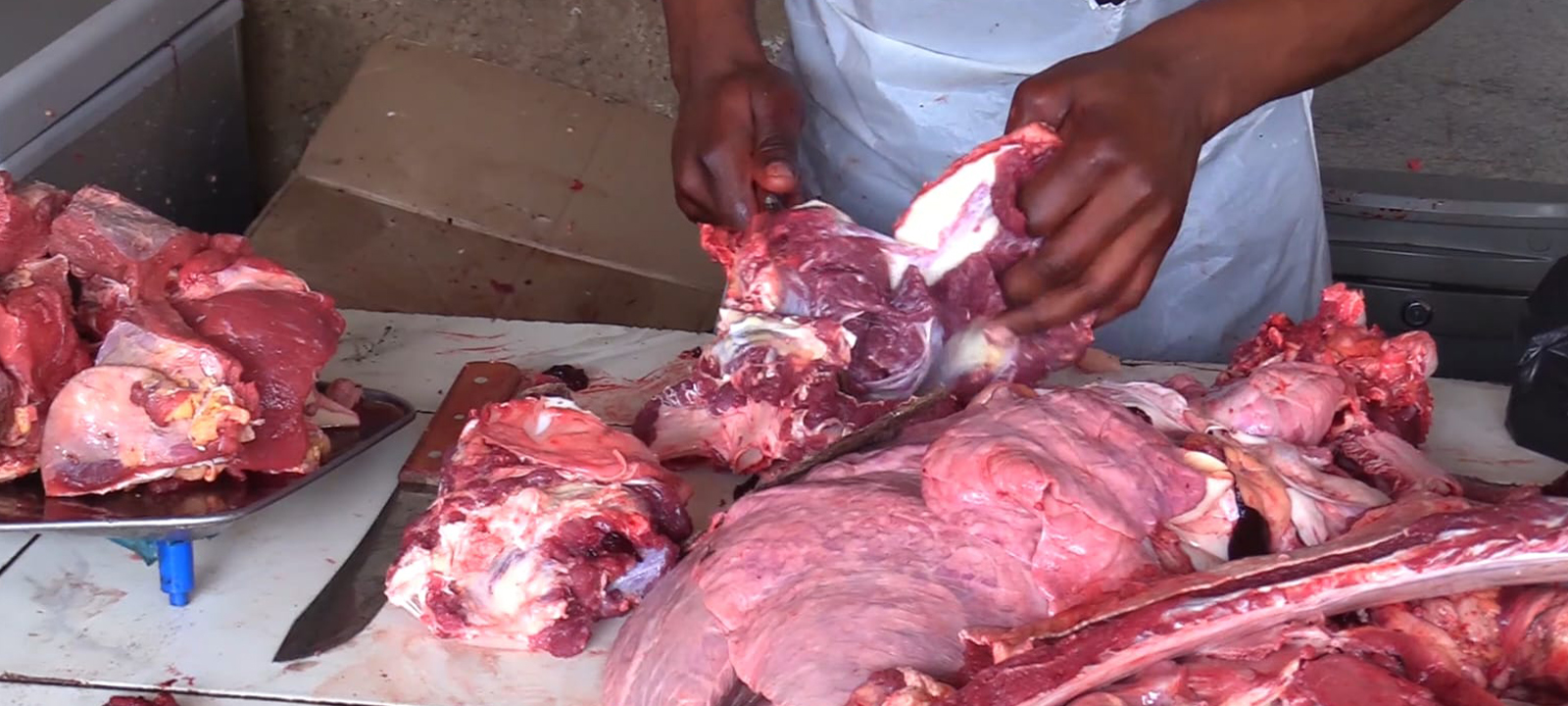
Chókwè: Meat Producers Allege PRM, SERNIC Extortion
Summary
- Meat producers and traders in Chókwè, Mozambique, are protesting alleged extortion by various authorities.
- Accused parties include veterinary authorities, the head of operations, PRM agents, and SERNIC agents.
- The allegations involve illicit charges and arbitrary seizures of meat from businesses.
- Authorities deny the claims, stating their inspections are necessary for public health protection.
Allegations of Extortion Rock Chókwè Meat Sector
The protests highlight a deep-seated frustration within the local meat industry regarding what they describe as systematic abuse of power and illegal financial demands.
Meat producers and traders operating in Chókwè, Mozambique, have publicly voiced strong accusations of widespread extortion against several key authorities. These allegations specifically target veterinary authorities, the head of operations, agents from the Police of the Republic of Mozambique (PRM), and agents belonging to the National Criminal Investigation Service (SERNIC). The group of producers and merchants contends that they are subjected to illicit charges and arbitrary seizures of meat, creating a challenging and unpredictable environment for their businesses.
The protests highlight a deep-seated frustration within the local meat industry regarding what they describe as systematic abuse of power and illegal financial demands. These claims of `cobranças ilícitas autoridades veterinárias` and `abuso de poder Moçambique Chókwè` paint a picture of significant operational hurdles for those involved in the food supply chain, impacting their ability to conduct business fairly and efficiently.
Official Denials and Public Health Justifications
In response to these serious accusations, the implicated authorities have issued firm denials. Officials from the veterinary department, the operational head, and representatives of both the PRM and SERNIC have rejected the claims of extortion and arbitrary actions. They maintain that their activities, particularly the inspections and any subsequent actions, are legitimate and conducted strictly in accordance with regulations.
The authorities justify their ongoing oversight and interventions by emphasizing the critical need to protect public health. They assert that their primary mandate is to ensure food safety standards are met, thereby safeguarding consumers from potentially harmful products. This stance directly contradicts the narrative presented by the `Chókwè meat producers PRM SERNIC extortion` allegations, setting up a clear conflict between the two parties.
Broader Implications for Mozambique's Food Sector
The allegations emerging from Chókwè carry significant implications beyond the immediate dispute, particularly for businesses operating within Mozambique's food sector. Such claims of `PRM SERNIC corrupção Chókwè` and `Moçambique polícia extorsão carne` can erode trust in regulatory bodies and create an environment of uncertainty for investors and local entrepreneurs. The reported arbitrary seizures and illicit charges, if substantiated, represent not only direct financial losses for `Chókwè meat producers` but also contribute to higher operational costs and potential supply chain disruptions.
This situation underscores the challenges faced by businesses when dealing with multiple layers of authority, including `autoridades veterinárias`, and highlights the potential for `abuso de poder` to impact economic stability. The ongoing dispute in Chókwè serves as a critical reminder of the importance of transparent governance and accountability within public institutions, especially those tasked with oversight of essential industries like food production.
Practical Implications
Lawyers advising businesses in Mozambique's food sector, particularly in Chókwè, should note these allegations of extortion and arbitrary seizures by PRM, SERNIC, and veterinary authorities. This signals potential compliance risks and the need for robust internal controls and legal counsel when dealing with inspections or disputes involving these agencies.
Source
Source: Original reporting via O País.
How does this affect you?
Get an AI analysis of this article grounded in your jurisdictions, practice areas, and any policy documents you've uploaded to Wansom.
Finish Reading the Full Story and the Expert Analysis.
Get the latest legal & regulatory intelligence in Mozambique
Wansom is AI and can make mistakes.