
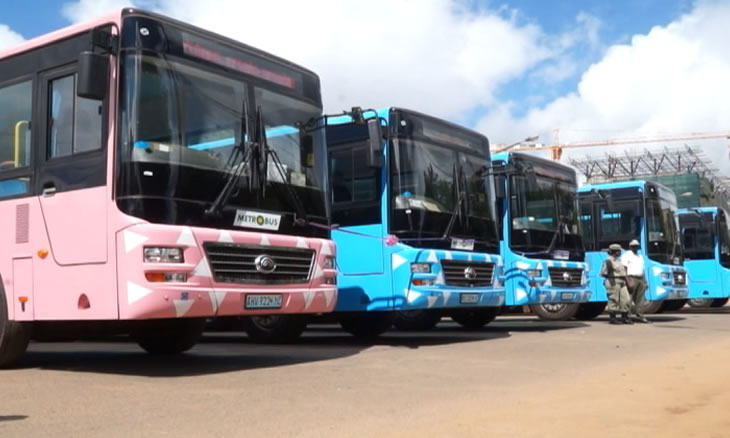
Governo Moçambique: Trava Aumento Tarifas Semi-Colectivos
Summary
- The Mozambican government announced there will be no increase in semi-collective passenger transport fares.
- This decision takes effect on Saturday, November 7, 2026.
- The agreement was reached with the Mozambican Federation of Road Transport Associations (FEMATRO).
- Passengers will continue to pay the currently effective prices for transport.
- The government's decision goes against a previous proposal for a fare hike.
What Happened
The Mozambican government has officially confirmed that there will be no increase in the fares for semi-collective passenger transport services, a decision set to take effect from Saturday, November 7, 2026.
The Mozambican government has officially confirmed that there will be no increase in the fares for semi-collective passenger transport services, a decision set to take effect from Saturday, November 7, 2026. This announcement ensures that individuals utilizing these essential public transport options will continue to pay the prices currently in force, thereby preventing any immediate rise in their daily commuting expenses. The government's directive directly contradicts a prior proposal that had sought an upward adjustment in these transportation costs, indicating a firm stance on maintaining current pricing levels.
This significant policy decision stems from a mutual understanding and agreement reached between the government and the Mozambican Federation of Road Transport Associations (FEMATRO). The collaborative outcome highlights a deliberate effort to stabilize public transport pricing, which has a direct and substantial impact on the financial well-being of a large segment of the population that relies heavily on semi-collective transport for their daily movements. The agreement with FEMATRO, representing the interests of transport operators, was pivotal in solidifying this no-increase policy.
Regulatory Context
The government's proactive intervention to block the proposed fare hike is a clear demonstration of the existing regulatory framework governing public utility pricing in Mozambique, specifically concerning Regulamentação preços transporte Moçambique. This framework allows for state oversight and intervention in sectors deemed essential for public welfare. The engagement with FEMATRO, a crucial representative body for road transporters, underscores the consultative processes that are typically involved when considering adjustments to Tarifas transporte público Moçambique. This particular accord, which prevents any fare increase, serves as a tangible example of the government's active role in managing economic pressures and ensuring affordability for its citizens.
The understanding reached with FEMATRO is of paramount importance, as the federation articulates the collective interests and operational concerns of transport operators across the nation. While these operators frequently advocate for fare adjustments to adequately reflect their escalating operational costs, the current agreement reflects a broader policy imperative to prioritize consumer affordability and economic stability. This ongoing dialogue and negotiation between the government and FEMATRO regarding acordo tarifas transporte is a characteristic feature of the sector, consistently aiming to strike a delicate balance between the economic viability of transport services and their accessibility to the general public.
Economic and Social Impact
The immediate and most direct consequence of this governmental decision is that passengers will be spared from facing higher costs for their daily commutes, allowing them to maintain their current expenditure levels for semi-collective transport services. This stability in pricing is particularly impactful for households, as transport costs often represent a regular and sometimes significant portion of their monthly budgets. By preventing the fare increase, the government effectively shields consumers from an anticipated financial burden, contributing to household budget predictability.
For the transport operators themselves, the decision implies that their revenue streams derived from passenger fares will remain at existing levels, irrespective of any potential pressures from rising operational costs that might have initially prompted their proposal for an increase. This continued adherence to current pricing structures, heavily influenced by the Política preços semi-colectivos, necessitates that operators meticulously manage their expenses within the established fare limits. The government's firm stance in this matter reinforces its commitment to controlling the costs of essential services, even if it means foregoing potential revenue adjustments that the transport sector might have sought to offset their operational challenges. This ongoing regulatory environment shapes the financial landscape for all stakeholders in the Mozambican public transport sector.
Practical Implications
This government decision to block a fare increase for semi-collective transport maintains current operational costs for businesses reliant on these services and signals continued state intervention in regulated pricing. Lawyers advising transport operators or businesses with significant logistics costs should monitor future government-industry negotiations and regulatory pronouncements regarding public utility pricing.
Source
Source: Original reporting via O País
How does this affect you?
Get an AI analysis of this article grounded in your jurisdictions, practice areas, and any policy documents you've uploaded to Wansom.
Wansom is AI and can make mistakes.