
China: South Sudan Secures Expanded Tariff-Free Market Access
Summary
- China's expanded zero-tariff policy, effective May 1, offers South Sudanese products enhanced access to the Chinese market.
- The policy provides zero-tariff treatment across 100% of tariff lines for all African countries with diplomatic ties to China.
- South Sudan was already covered by previous zero-tariff arrangements, with the latest expansion extending to 20 additional non-least-developed African nations for two years.
- Crucially, goods must meet specific rules of origin and other import requirements to qualify for the preferential treatment.
- This initiative is part of China's Belt and Road cooperation efforts, while South Sudan seeks broader economic ties in various sectors.
Expanded Market Access for South Sudan
However, to fully leverage this opportunity and ensure successful South Sudan export China, businesses must meticulously understand and comply with the specific South Sudan rules of origin China and other import regulations mandated by the Chinese market.
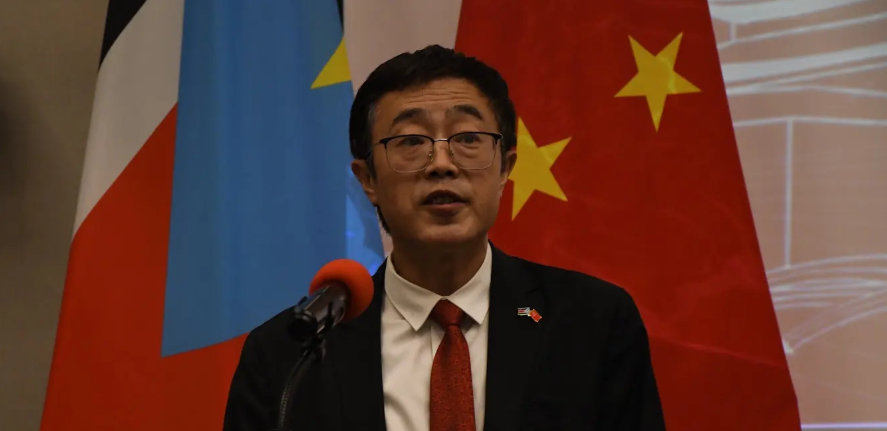
China has recently broadened its zero-tariff policy for African nations, a move poised to significantly enhance market access for products originating from South Sudan. The Chinese Ambassador to South Sudan, Ma Qiang, announced this development during a reception held in Juba on Monday, commemorating the 77th anniversary of the People's Republic of China's founding. Ambassador Ma expressed optimism that this expanded China zero-tariff policy Africa would lead to "more and more South Sudanese products" entering the vast Chinese market. The policy officially came into effect on May 1.
Policy Context and Bilateral Cooperation
The expanded zero-tariff policy is framed by China as an integral component of its broader strategy to foster "high-quality Belt and Road South Sudan cooperation" with African countries. Ambassador Ma Qiang underscored the enduring nature of the diplomatic relationship between China and South Sudan, noting that both nations have consistently treated each other as equals and provided mutual support since establishing formal ties. This long-standing cooperation extends beyond trade facilitation into significant infrastructure and humanitarian projects.
China's commitment to South Sudan is evident through various initiatives it has supported. These include the development of the country's air traffic management system, a substantial drilling and water-supply project that has established 47 water wells, and the renovation and expansion of the Juba Teaching Hospital. Furthermore, China has contributed to human capital development in South Sudan by offering training programs and scholarships. Chinese medical teams have also been active, conducting mobile clinics across several states, demonstrating a multifaceted engagement that underpins the economic relationship.
South Sudan's Economic Aspirations and Compliance Needs
For its part, South Sudan has actively sought to deepen its economic and commercial engagement with China. Senior Presidential Adviser Kuol Manyang Juuk has been a vocal proponent of enhanced cooperation, specifically calling for increased collaboration in critical sectors such as trade and investment, agriculture and agro-processing, infrastructure, energy, education, technology, and health. Juuk articulated that greater economic partnership holds the potential to stimulate value addition within South Sudan, generate employment opportunities, and drive both industrial development and overall economic growth.
Juuk emphasized that South Sudan's abundant natural resources and its youthful population present a significant foundation for expanding economic and commercial ties with China. The new China South Sudan tariff-free market access offers a concrete pathway for South Sudanese businesses to capitalize on these inherent advantages. However, to fully leverage this opportunity and ensure successful South Sudan export China, businesses must meticulously understand and comply with the specific South Sudan rules of origin China and other import regulations mandated by the Chinese market. This compliance is paramount for accessing the preferential tariff treatment and realizing the economic benefits envisioned by both nations.
Practical Implications
Lawyers and compliance officers should advise South Sudanese businesses on the specific rules of origin and import requirements for products seeking to enter the Chinese market under the expanded zero-tariff policy, identifying new trade and investment opportunities and potential compliance challenges.
Source
How does this affect you?
Get an AI analysis of this article grounded in your jurisdictions, practice areas, and any policy documents you've uploaded to Wansom.
Finish Reading the Full Story and the Expert Analysis.
Get the latest legal & regulatory intelligence in South Sudan
Wansom is AI and can make mistakes.