
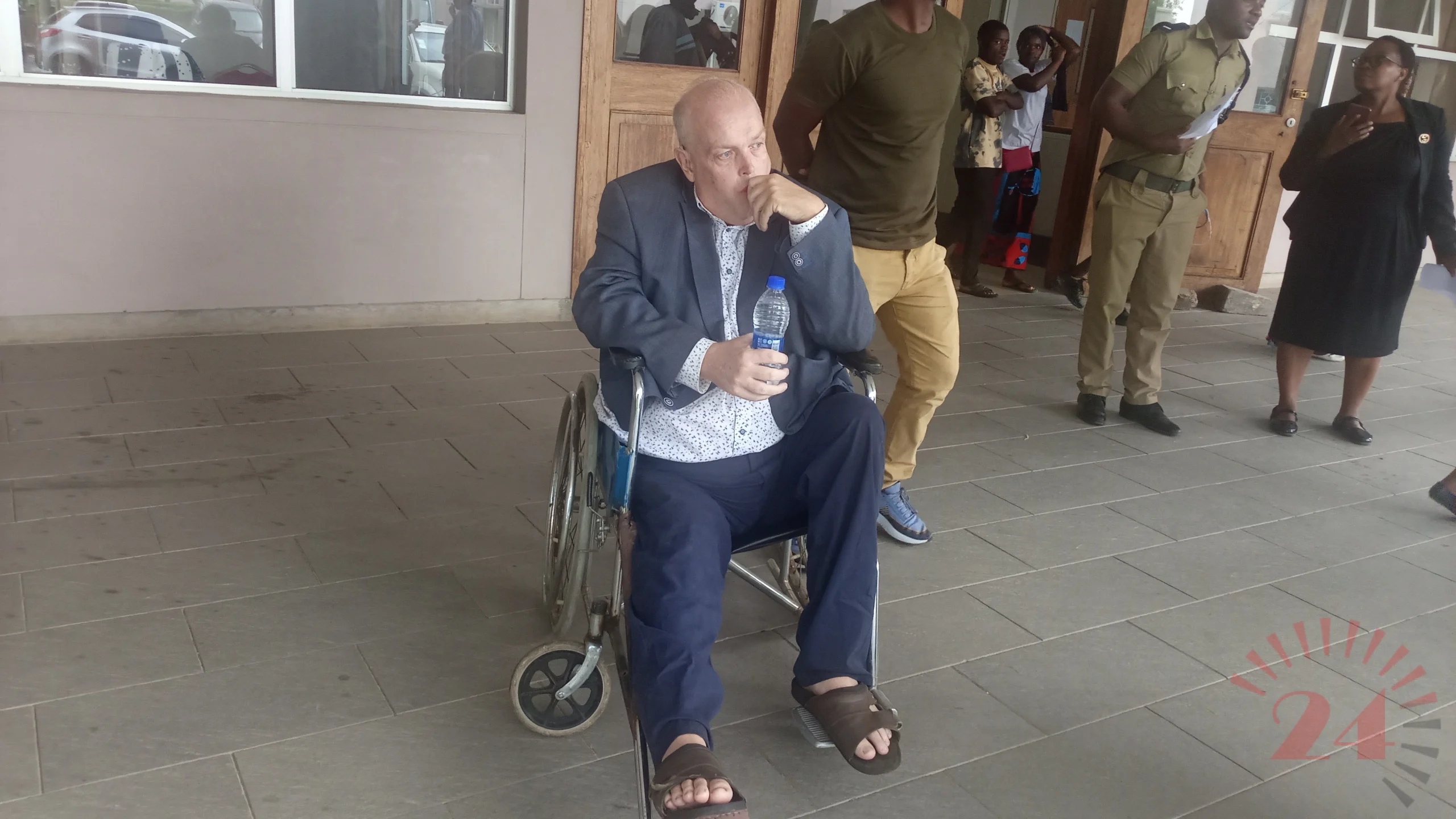
Child Advocacy Center Demands Stiffer Jan Wim Akster Sentencing in Malawi
Summary
- The Child Advocacy Center has formally requested a stiffer punishment for Jan Wim Akster.
- This demand was made directly to the Malawi Magistrate Court.
- The request aligns with broader activist calls for a severe sentence in the case.
- The intervention highlights the potential role of advocacy groups in influencing judicial outcomes in Malawi.
The Call for Enhanced Penalties
This development highlights the potential for public and advocacy group pressure to influence sentencing outcomes in Malawi's Magistrate Courts.
The Child Advocacy Center, a prominent organization, has formally approached the Magistrate Court in Malawi with a specific request concerning Jan Wim Akster. This intervention seeks to ensure that Akster receives a more severe penalty than might otherwise be considered. The organization's stance reflects a broader sentiment among activists who are actively campaigning for a robust judicial response in this particular case.
This direct appeal to the judiciary underscores the growing trend of advocacy groups engaging with legal processes to influence outcomes, particularly in sensitive matters. The demand for a "stiffer punishment" for Jan Wim Akster highlights the Child Advocacy Center's commitment to seeing justice served through what they perceive as an appropriately stringent sentence from the Malawi Magistrate Court. The involvement of such a body indicates a concerted effort to shape the final judgment.
External Pressure on the Judiciary
The request from the Child Advocacy Center for a more stringent sentence against Jan Wim Akster introduces a dynamic element into the legal proceedings within the Malawi Magistrate Court, particularly following Akster's conviction and pending sentencing. This action exemplifies how external entities, driven by specific advocacy goals, can seek to exert influence over judicial decisions, particularly during the critical sentencing phase. The demand for "Akster stiff punishment" is not merely a suggestion but a public declaration of desired judicial action.
Such interventions by activist groups, including the Child Advocacy Center Malawi, can present a complex challenge for the judiciary. While courts are expected to operate independently, free from undue external pressure, the vocal demands of advocacy organizations can create a public expectation for certain outcomes. This interplay between public sentiment, activist influence Malawi courts, and judicial autonomy is a significant aspect of the legal landscape in the nation, particularly in cases that garner public attention. Lawyers representing clients in sensitive cases, especially those involving vulnerable parties, must be acutely aware of these external pressures and consider them when formulating sentencing strategies and advising their clients.
Broader Impact on Malawi's Legal System
The specific call for a harsher sentence in the Jan Wim Akster sentencing Malawi case carries implications beyond the immediate judgment. It signals a potential precedent for how advocacy groups might increasingly engage with and attempt to shape judicial outcomes in the country. The Child Advocacy Center's direct appeal to the Malawi Magistrate Court for a "stiffer punishment" underscores the belief that public and organizational pressure can play a role in determining the severity of legal consequences.
This development highlights the potential for public and advocacy group pressure to influence sentencing outcomes in Malawi's Magistrate Courts. The ongoing discussion surrounding the Akster stiff punishment demand serves as a reminder of the delicate balance between judicial independence and the public's desire for justice, particularly when championed by influential organizations like the Child Advocacy Center Malawi. The outcome of this particular sentencing, therefore, could be viewed as a barometer for the extent of activist influence Malawi courts are prepared to acknowledge and integrate into their decision-making processes.
Practical Implications
This development highlights the potential for public and advocacy group pressure to influence sentencing outcomes in Malawi's Magistrate Courts. Lawyers representing clients in sensitive cases, particularly those involving vulnerable parties, should be aware of such external pressures and factor them into their sentencing strategies and client advice.
Source
Source: Original reporting via Malawi24
How does this affect you?
Get an AI analysis of this article grounded in your jurisdictions, practice areas, and any policy documents you've uploaded to Wansom.
Finish Reading the Full Story and the Expert Analysis.
Get the latest legal & regulatory intelligence in Malawi
Wansom is AI and can make mistakes.