
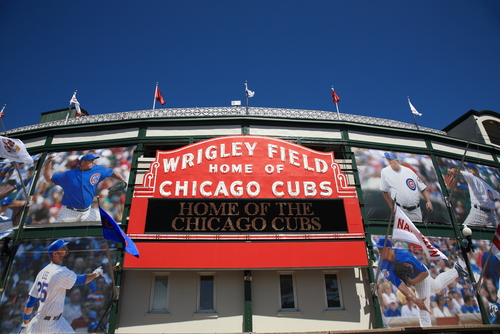
Chicago Cubs: Wrigley View Rooftop Injunction Halts Unauthorized Sales
Summary
- A federal judge granted summary judgment to the Chicago Cubs against the Wrigley View Rooftop and its owner, Aidan Dunican.
- The rooftop bar was permanently enjoined from selling tickets to watch Cubs games and using team intellectual property without permission.
- The court found the defendants were unjustly enriched by commercially profiting from the live baseball game experience after a prior revenue-sharing agreement expired in 2023.
- Judge Sharon Johnson Coleman's ruling included personal liability for the owner, Aidan Dunican, though the bar prevailed on one false advertising claim.
- The decision reinforces that businesses cannot commercially profit from major sports events or use a team's intellectual property without explicit authorization.
What Happened
The permanent injunction against the Wrigley View Rooftop reinforces that commercial entities cannot profit from major events or leverage a venue's brand and intellectual property without proper authorization and licensing agreements.
The Chicago Cubs recently secured a significant legal victory in federal court, with U.S. District Judge Sharon Johnson Coleman of the Northern District of Illinois granting the team's motion for summary judgment against a neighboring establishment. This ruling, issued on September 30, concerned the Wrigley View Rooftop and its owner, Aidan Dunican, who had been selling tickets for patrons to watch Cubs home games and other events held at Wrigley Field from their adjacent rooftop bleachers. The decision arrived on October 5, 2026, the same day the Cubs were eliminated from the postseason, marking a different kind of win for the organization.
The dispute arose after a previous revenue-sharing agreement between the Cubs and the rooftop bar expired in 2023. Despite the expiration of this formal arrangement, the Wrigley View Rooftop continued its practice of selling tickets to its patrons for the purpose of viewing stadium events. This continuation of commercial activity without authorization prompted the Chicago Cubs to initiate legal proceedings in June 2024, seeking to halt what they described as unlawful enrichment and intellectual property violations.
Legal Context and Ruling
In their lawsuit, the Chicago Cubs asserted multiple claims against the Wrigley View Rooftop and Dunican, including allegations of unjust enrichment, misappropriation, copyright infringement, trademark infringement, and violations of both state and federal unfair competition laws. The defendants, in turn, contended that they were within their rights to utilize their property as they saw fit and were under no obligation to share revenue with the baseball team.
Judge Coleman's September 30 opinion largely sided with the Cubs, culminating in a permanent injunction. This injunction specifically prohibits the Wrigley View Rooftop from using the team's logos and other intellectual property, as well as from selling tickets to patrons for the purpose of watching Cubs games and other stadium events without explicit permission. The judge explicitly stated that the defendants were "unjustly enriched by misappropriating plaintiff’s right to its product, the live baseball game experience," further noting that the facts clearly demonstrated the stadium had been deprived of revenue it would have otherwise received from the bar's patrons. While the bar did prevail on a single claim related to false advertising, the Cubs secured summary judgment on all other counts, including a personal judgment against owner Aidan Dunican.
Why It Matters
This federal court ruling underscores the critical importance of intellectual property rights for major sports organizations and sets a precedent for businesses operating in close proximity to large entertainment venues. The permanent injunction against the Wrigley View Rooftop reinforces that commercial entities cannot profit from major events or leverage a venue's brand and intellectual property without proper authorization and licensing agreements. This outcome provides a clear example of how sports venue unauthorized commercial use can lead to significant legal repercussions, including personal liability for business owners.
The Chicago Cubs issued a statement following the decision, emphasizing that the ruling "protects our intellectual property rights and affirms our long-standing position that businesses cannot commercially profit from Cubs games or use Cubs intellectual property without authorization." This case, involving a Cubs rooftop bar unjust enrichment claim, serves as a strong reminder to businesses adjacent to stadiums like Wrigley Field that revenue-generating activities tied to the venue's events must be explicitly sanctioned, highlighting the potential for trademark and copyright infringement in the absence of such agreements.
Practical Implications
This ruling reinforces that businesses cannot commercially profit from major events or use a venue's intellectual property without explicit authorization, even if physically adjacent. Lawyers advising businesses near entertainment venues or those considering alternative revenue streams should review potential unjust enrichment and IP infringement exposures, ensuring proper licensing and revenue-sharing agreements are in place to avoid similar litigation and permanent injunctions.
Source
Source: Original reporting via Law.com
How does this affect you?
Get an AI analysis of this article grounded in your jurisdictions, practice areas, and any policy documents you've uploaded to Wansom.
Finish Reading the Full Story and the Expert Analysis.
Get the latest legal & regulatory intelligence in United States
Wansom is AI and can make mistakes.