
US Supreme Court to Hear Guam Environmental Review Case
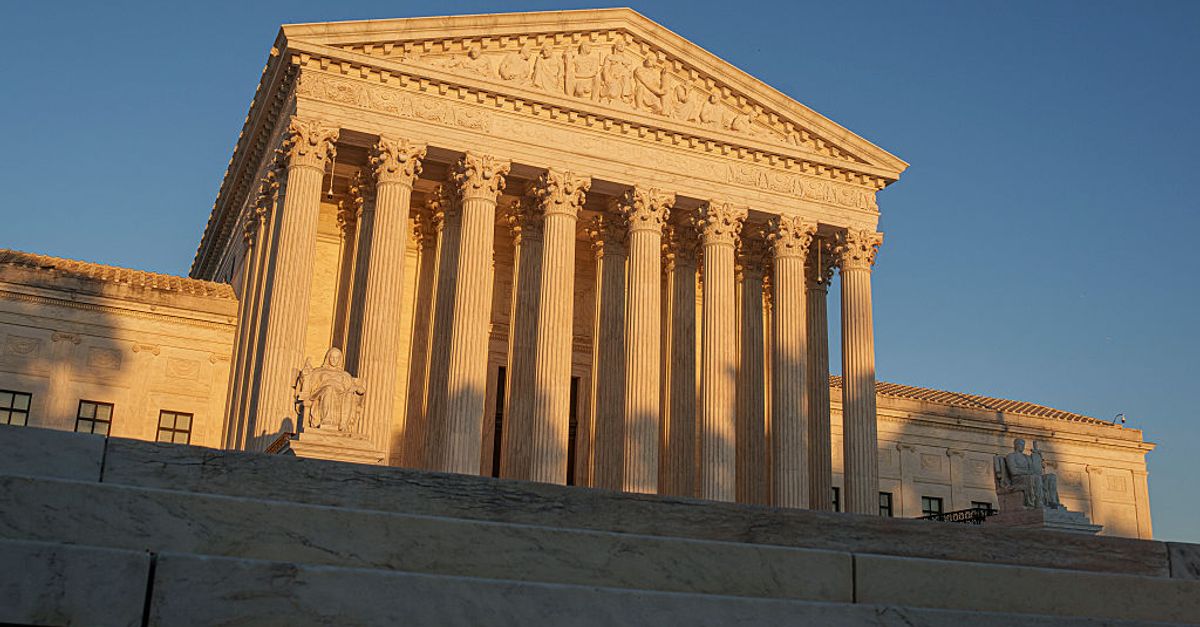
The U.S. Supreme Court heard arguments on Wednesday in *Department of the Air Force v. Prutehi Guåhan*, concerning whether federal environmental review requirements apply equally to hazardous munitions disposal by the Air Force in Guam.
The case specifically addresses whether the U.S. Air Force must adhere to the National Environmental Policy Act (NEPA) for environmental review and community consultation when disposing of hazardous munitions by explosion on Guam's sensitive shorelines. Prutehi Guåhan, a local environmental and cultural organization, contends that NEPA's expansive requirements, which the Air Force applies to other military activities in Guam, should also apply to toxic explosive disposal. The federal government, conversely, argues that NEPA does not cover hazardous waste disposal, citing another regulatory statute, but reportedly offers little textual support for this exemption. The outcome of this matter is not yet reported.
This case carries substantial legal significance for environmental law, administrative law, and the application of federal statutes in U.S. territories. A ruling in favor of the Air Force could establish a precedent allowing federal agencies to bypass comprehensive environmental reviews for certain activities, particularly hazardous waste disposal, potentially impacting environmental protection and community engagement in vulnerable areas. Conversely, a ruling for Prutehi Guåhan would reinforce the broad applicability of NEPA, ensuring greater scrutiny of federal actions with environmental consequences. The case also implicitly highlights the unique legal and political status of U.S. territories and their residents' limited representation in the federal government.
The primary legal framework at issue is the National Environmental Policy Act (NEPA), a foundational U.S. environmental law requiring federal agencies to assess the environmental effects of their proposed actions prior to making decisions. The federal government's argument references "another statute" regulating hazardous waste, likely implying the Resource Conservation and Recovery Act (RCRA) or similar legislation, suggesting a potential conflict or overlap in statutory interpretation. The case involves administrative law principles concerning agency discretion and statutory interpretation, with the U.S. Supreme Court, the highest court in the federal judiciary, setting binding precedent for all lower federal and state courts. The key parties involved are the Department of the Air Force and Prutehi Guåhan, a local environmental and cultural organization from Guam.
Attorneys advising federal agencies, environmental organizations, or businesses involved in projects with a federal nexus, particularly those in U.S. territories, should closely monitor the Supreme Court's decision. The outcome will clarify the scope of NEPA's applicability, especially concerning hazardous waste disposal and military operations, and provide guidance on statutory interpretation in cases of overlapping environmental regulations. Businesses and agencies should be prepared to adjust their environmental review processes based on the Court's interpretation of NEPA's requirements and any potential carve-outs. This case also serves as a crucial reminder of the complex legal landscape governing U.S. territories and the potential for unique legal challenges.
How does this affect you?
Get an AI analysis of this article grounded in your jurisdictions, practice areas, and any policy documents you've uploaded to Wansom.
Finish Reading the Full Story and the Expert Analysis.
Get the latest legal & regulatory intelligence in United States
Wansom is AI and can make mistakes.