
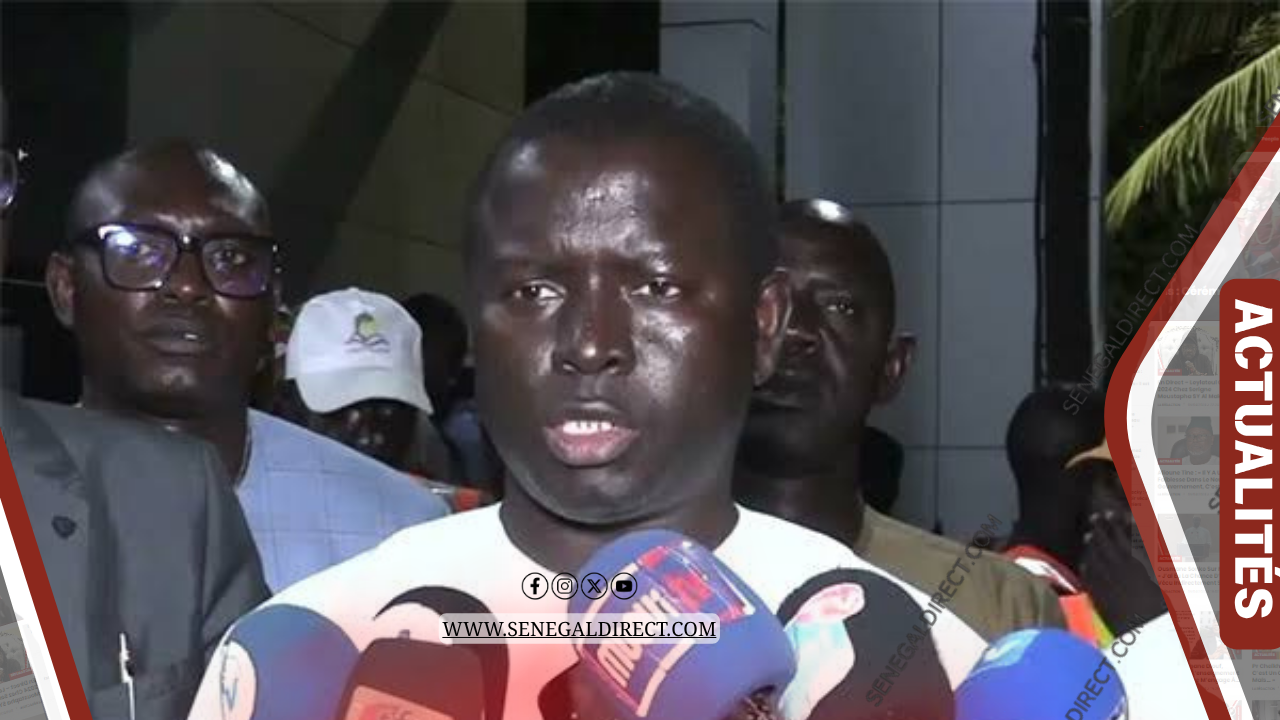
Cheikh Issa Sall: Demande Démission Députés Majorité Sénégal Après Erreurs
Summary
- Cheikh Issa Sall has called for the collective resignation of Senegal's majority deputies, citing their "incompetence" and parliamentary initiatives that created constitutional difficulties.
- Sall criticized the deputies for failing to conduct thorough legal reviews and for not mastering constitutional texts, especially amid a Constitutional Council review concerning Ousmane Sonko's reintegration.
- Other political figures, including Abdou Aziz Diop and Thierno Alassane Sall, have also voiced concerns about "institutional disorder" and a Parliament "emptied of its role," with Diop specifically citing modifications to articles L29 and L30 of the Electoral Code.
- Sall also accused Ousmane Sonko of "versatility" regarding special funds, alleging Sonko criticized the mechanism in opposition but now uses it in power.
- These criticisms highlight significant questions about the National Assembly's role, institutional oversight, and adherence to constitutional principles in Senegal.
Call for Resignation Amidst Constitutional Concerns
The ongoing controversies, including the demand for deputies' resignations and the challenges to parliamentary actions, signal a period of heightened political and constitutional instability within Senegal.
Cheikh Issa Sall, the mayor of Mbour, has issued a strong condemnation of Senegal's parliamentary majority, labeling their actions as "incompetent" and demanding their collective resignation. Speaking on Dakaractu Mbour, Sall specifically criticized several legislative initiatives undertaken by these deputies, asserting that these moves have precipitated significant constitutional challenges. He argued that such parliamentary endeavors should have been subjected to thorough legal scrutiny prior to their advancement.
This call for resignation comes amidst a period of heightened legal and political tension. The Constitutional Council declared itself incompetent to rule on a petition from opposition deputies concerning Ousmane Sonko's reintegration into the National Assembly on June 17, 2026. Ousmane Sonko was elected President of the National Assembly on May 26, 2026. This development directly raises questions regarding the precise scope and authority of the constitutional court itself, adding another layer of complexity to the legislative landscape. Sall emphasized that deputies, by virtue of their mandate, are expected to possess a comprehensive understanding of constitutional texts and the procedural frameworks governing their roles. He proposed that their resignation would allow constituents to re-evaluate their performance and legitimacy.
Broader Institutional Critiques and Electoral Code Changes
The criticisms voiced by Cheikh Issa Sall are not isolated, but rather contribute to a broader discourse concerning the functionality of Senegal's institutional framework. Abdou Aziz Diop, for instance, has characterized the current political climate as one of "institutional disorder," marked by a perceived collision between Bassirou Diomaye Faye and Ousmane Sonko. Diop specifically accused Sonko of exhibiting a lack of "culture d'État" and engaging in constitutional breaches, pointing to the alleged forced alteration of articles L29 and L30 of the Electoral Code as a prime example.
Further echoing these concerns, Thierno Alassane Sall, during a press conference, lamented that the Parliament has been effectively "emptied of its role." These collective critiques fuel significant questions about the true influence of the National Assembly in public policy decisions and the robustness of the oversight mechanisms intended to govern state institutions. The ongoing debates underscore a perceived weakening of legislative authority and constitutional adherence.
Shifting Political Dynamics and Accusations Against Sonko
Cheikh Issa Sall also articulated his perspective on the evolving responsibilities of the political figures who have transitioned from opposition to governance. He contended that those now in power must adopt a different approach, moving beyond the posture of mere contestation that characterized their time in opposition. Sall then turned his attention to Ousmane Sonko, specifically addressing the issue of special funds. He described the President of the National Assembly as "versatile" on this matter, alleging that Sonko had previously criticized the mechanism of special funds while in opposition, only to utilize it himself upon assuming governmental responsibilities.
Sall offered a critical assessment of Sonko's overall political trajectory, suggesting that the political confrontations of recent years have impeded the nation's progress. In contrast, he credited Bassirou Diomaye Faye with a commitment to transcend confrontation and prioritize effective governmental action. Sall highlighted employment, infrastructure development, economic activity, and the enhancement of living conditions as key areas of focus under Faye's leadership.
Legal and Constitutional Implications
The ongoing controversies, including the demand for deputies' resignations and the challenges to parliamentary actions, signal a period of heightened political and constitutional instability within Senegal. The direct questioning of the Constitutional Council's competence in the context of Ousmane Sonko's reintegration into the National Assembly, alongside allegations of forced modifications to critical electoral code articles (L29 and L30), underscores significant legal vulnerabilities. These developments could lead to future legal challenges against legislative decisions, potentially impacting the certainty of regulatory frameworks and the enforceability of new laws or policies. The criticisms from various political figures collectively suggest a systemic concern regarding adherence to constitutional principles and the proper functioning of democratic institutions.
Practical Implications
This article signals heightened political and constitutional instability in Senegal, with direct challenges to the competence of the Constitutional Council and the validity of parliamentary actions. Lawyers and compliance officers should monitor these developments for potential legal challenges to legislative decisions, which could impact regulatory certainty and the enforceability of new laws or policies.
Source
How does this affect you?
Get an AI analysis of this article grounded in your jurisdictions, practice areas, and any policy documents you've uploaded to Wansom.
Finish Reading the Full Expert Analysis.
Wansom is AI and can make mistakes.