
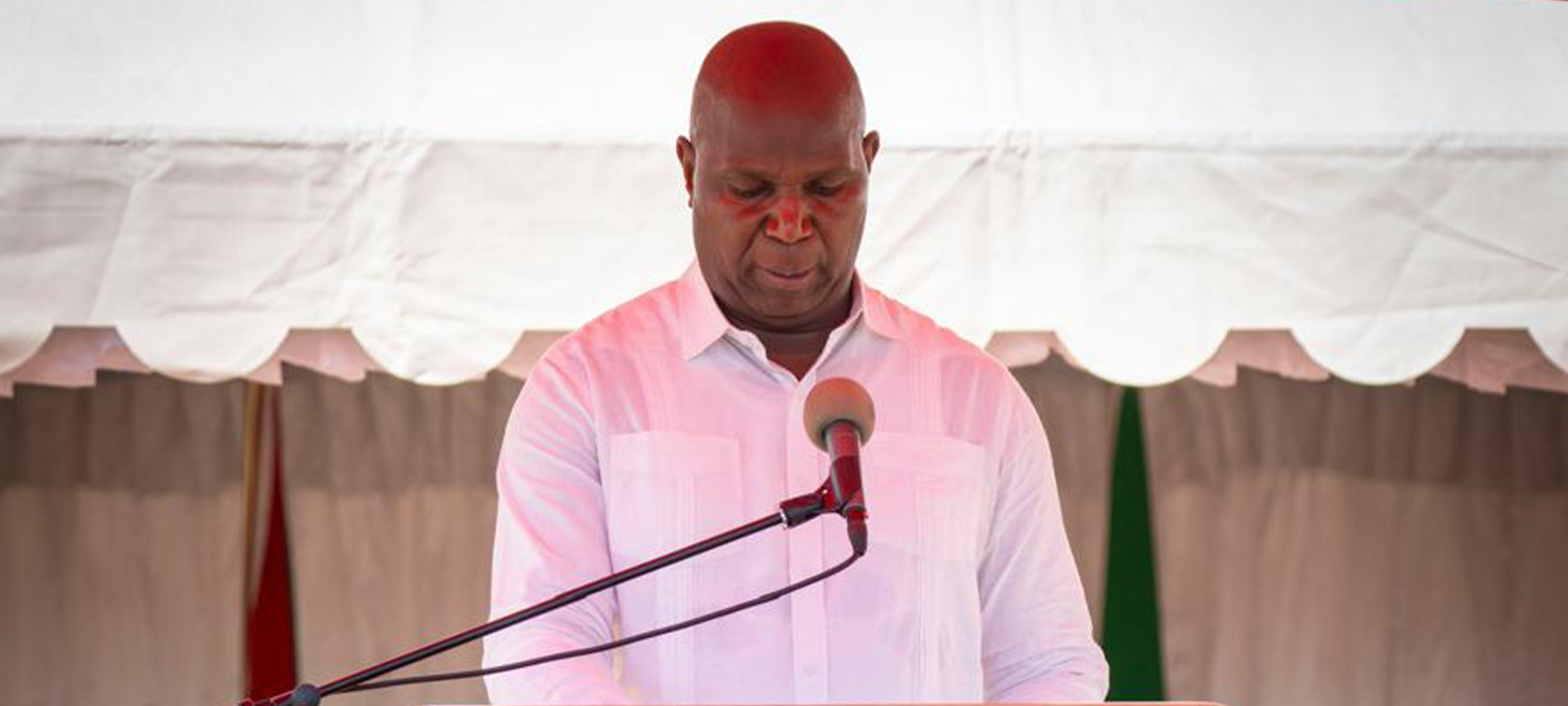
Chapo: Mozambique Illegal Firearms Amnesty Ends, Enforcement Begins
Summary
- Mozambican President Daniel Chapo announced the implementation of coercive measures against individuals possessing illegal firearms.
- This new policy follows the official conclusion of the national firearms amnesty period.
- Citizens who failed to voluntarily surrender irregular weapons during the amnesty will now face stricter enforcement and legal consequences.
- President Chapo also mandated greater discipline and adherence to human rights from the Special Operations and Reserve Units of the PRM.
- The state aims to enhance national security by systematically removing unregistered weapons and reinforcing existing gun control laws.
What Happened
This pivotal announcement signals a clear departure from previous leniency, ushering in an era of intensified enforcement against unauthorized arms.
President Daniel Chapo of Mozambique has announced a significant policy change regarding the control of illicit weaponry, marking the definitive end of a period that allowed for the voluntary surrender of firearms. Following the conclusion of the national firearms amnesty in Mozambique, the head of state declared that the government would now implement stringent, coercive actions against any individuals discovered to be in possession of illegal firearms. This pivotal announcement signals a clear departure from previous leniency, ushering in an era of intensified enforcement against unauthorized arms.
The presidential directive specifically targets those citizens who failed to hand over their irregular weapons during the designated amnesty period. President Chapo emphasized that the Mozambican state will no longer rely solely on voluntary compliance but will actively pursue and penalize those who continue to hold unauthorized arms. This move is a robust indication of the government's unwavering resolve to tackle the pervasive issue of illegal arms Mozambique with a firmer hand, underscoring a zero-tolerance stance now that the amnesty has concluded. The message is clear: the time for voluntary compliance has passed, and the state is prepared to act decisively.
Legal and Enforcement Context
The termination of the firearms amnesty fundamentally reshapes the legal landscape for individuals found to be in possession of unauthorized weapons across Mozambique. With the amnesty period now officially closed, the state's legal framework will not only permit but actively encourage the application of coercive measures, transforming what was once an opportunity for impunity into a direct pathway to legal prosecution. This strategic pivot is designed to significantly reinforce the existing Mozambique gun control law, making it unequivocally clear that the state will rigorously enforce regulations pertaining to weapon ownership and possession.
The implementation of these coercive actions implies a more aggressive and proactive stance from law enforcement agencies. Citizens found with illegal firearms Mozambique will now face immediate and severe legal consequences, which are expected to include arrests, the confiscation of weapons, and formal judicial proceedings, aligning directly with the legal concept of posse ilegal de armas Moçambique. This strategic shift by the government under President Chapo aims to bolster national security by systematically removing unregistered weapons from circulation, thereby mitigating potential threats posed by such armaments to public safety and order.
Implications for Security and Governance
President Daniel Chapo's comprehensive security measures extend beyond merely cracking down on illegal weapon possession; they also encompass a broader strategy to instill greater discipline and accountability within the state's enforcement apparatus. Concurrently with the announcement of coercive actions against illegal firearm holders, the President issued a stern mandate to the Special Operations and Reserve Units of the Police of the Republic of Mozambique (PRM). This directive explicitly calls for these units to exhibit enhanced discipline and to rigorously uphold human rights during all their operational engagements.
This dual approach highlights the government's intention to not only aggressively address the proliferation of illegal arms Mozambique but also to ensure that such intensified enforcement is conducted strictly within ethical and legal boundaries. The explicit emphasis on human rights and operational discipline for the PRM units suggests a proactive awareness of the potential for abuses during heightened security operations. Ultimately, the end of the firearms amnesty Mozambique and the subsequent adoption of coercive measures signify a critical juncture in the nation's ongoing efforts to bolster internal security, establish firmer control over weapon proliferation, and ensure responsible governance in the application of force.
Practical Implications
Lawyers should advise clients on the heightened risk of prosecution for illegal firearm possession in Mozambique following the end of the amnesty, and anticipate stricter enforcement and potential new legal measures as the state adopts coercive actions.
Source
Source: Original reporting via O País
How does this affect you?
Get an AI analysis of this article grounded in your jurisdictions, practice areas, and any policy documents you've uploaded to Wansom.
Finish Reading the Full Story and the Expert Analysis.
Get the latest legal & regulatory intelligence in Mozambique
Wansom is AI and can make mistakes.