
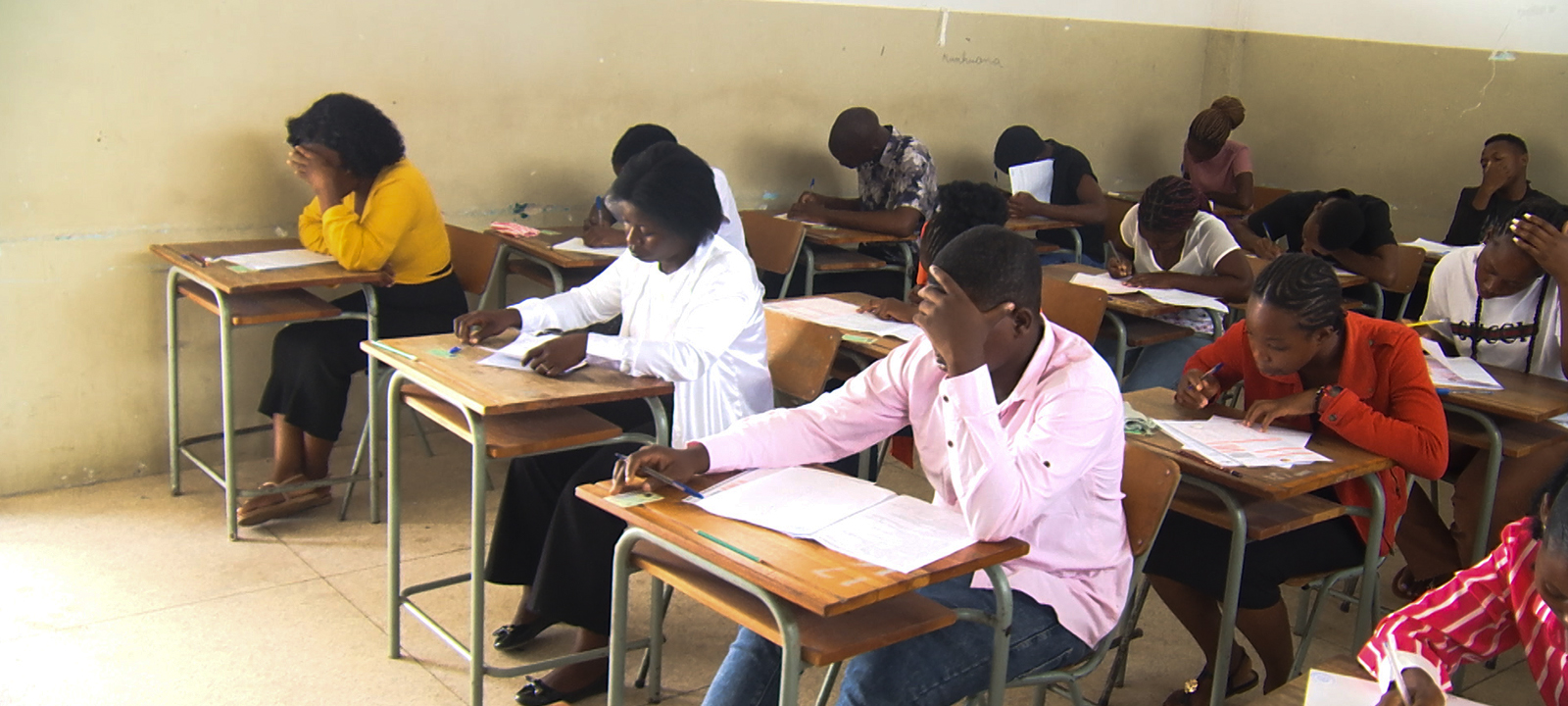
MEC Moçambique: Associações Professores Fiscalizam Exames Nacionais
Summary
- Mozambique's Ministry of Education and Culture has mandated the involvement of legally constituted teacher associations.
- These associations will serve as observers in the national examination process.
- The initiative aims to enhance transparency, security, and credibility of evaluations.
- The scope includes General Education, Adult Education, and Teacher Training subsystems.
- This decision is formalized in Despacho n.º 483/MEC/GM/2026, de 18 de Novembro.
The New Directive
The strategic decision to empower teacher associations as official observers carries profound and far-reaching implications for the transparency and accountability inherent within Mozambique's education sector.
The Ministry of Education and Culture in Mozambique has recently enacted a pivotal directive, formally integrating legally recognized teacher associations into the oversight framework for national examinations. This significant measure, articulated through an official dispatch, stipulates that these professional bodies will now function as dedicated observers throughout the entirety of the examination process. The overarching goal underpinning this strategic policy shift is to significantly enhance the transparency, security, and overall credibility of the nation's comprehensive assessment system.
This innovative policy specifically extends its reach to encompass evaluations conducted across three fundamental educational subsystems: General Education, Adult Education, and Teacher Training. By systematically incorporating external observers from these established professional groups, the Ministry aims to cultivate an environment characterized by heightened security and unquestionable credibility for these high-stakes academic assessments. The active involvement of Associações professores fiscalizam exames Moçambique is therefore anticipated to introduce a crucial additional layer of independent scrutiny and, consequently, boost public confidence in the fairness and accuracy of examination results.
Regulatory Framework
The formal establishment of this critical oversight function is officially codified within Despacho n.º 483/MEC/GM/2026, de 18 de Novembro, a specific and binding regulatory instrument issued by the Ministério Educação Cultura Moçambique. This particular dispatch serves as the definitive legal foundation for the mandated participation of teacher associations, marking a notable and progressive development within Legislação educação Moçambique. It meticulously delineates the precise scope and inherent nature of their observational duties, thereby ensuring that their engagement is both structurally sound and officially sanctioned by the state.
This targeted Despacho MEC Moçambique exames unequivocally demonstrates the government's steadfast commitment to fortifying the robustness and integrity of its national educational assessment mechanisms. By explicitly articulating the responsibilities, prerogatives, and operational guidelines for these associations, the Ministry is proactively constructing a transparent and accountable framework for their sustained involvement. This move represents a significant evolution, transitioning from potentially informal or ad-hoc participation to a fully codified and integral role within the national examination infrastructure, thereby reinforcing the rule of law in educational governance.
Broader Implications
The strategic decision to empower teacher associations as official observers carries profound and far-reaching implications for the transparency and accountability inherent within Mozambique's education sector. This forward-thinking initiative is meticulously designed to significantly reinforce the Transparência avaliações Moçambique, thereby guaranteeing that the national examination process is perceived as unequivocally fair, impartial, and trustworthy by all relevant stakeholders. These include, but are not limited to, students, their parents, educators, and the broader Mozambican public. The enhanced Fiscalização exames nacionais Moçambique is a direct and considered response to the pressing need for greater public trust and confidence in the integrity and validity of educational outcomes.
Furthermore, by formally authorizing professional teacher bodies to meticulously monitor these pivotal evaluations, the Ministry is not merely addressing long-standing concerns related to security and credibility. It is also actively fostering a deeper and more meaningful collaborative relationship between governmental administrative bodies and vital civil society organizations operating within the expansive educational landscape. This collaborative and inclusive approach is deemed absolutely essential for the continuous improvement, sustained legitimacy, and ultimate success of the national assessment system, which, in turn, directly contributes to elevating the overall quality of education delivered across the nation's diverse and evolving learning environments.
Practical Implications
Lawyers advising educational institutions, teacher associations, or government bodies in Mozambique should review this new directive from the Ministry of Education and Culture. It formalizes the role of legally constituted teacher associations in overseeing national exams, impacting administrative procedures, public accountability, and stakeholder engagement in the education sector.
Source
Source: Original reporting via O País.
How does this affect you?
Get an AI analysis of this article grounded in your jurisdictions, practice areas, and any policy documents you've uploaded to Wansom.
Finish Reading the Full Story and the Expert Analysis.
Get the latest legal & regulatory intelligence in Mozambique
Wansom is AI and can make mistakes.